
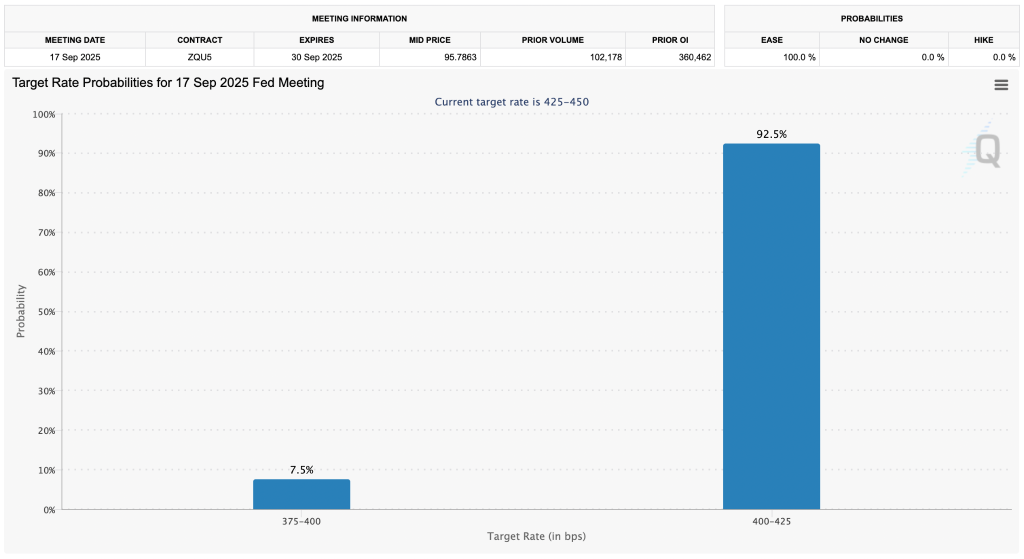
The anticipation of an impending Fed rate cut has sparked a wave of excitement in the financial markets, with economists overwhelmingly predicting a 25 basis-point reduction on September 17th. This move, the first easing since January, comes on the heels of disappointing job growth numbers in August and downward revisions that have erased nearly a million jobs from the 12-month data through March.
The shift towards a rate cut has been driven by a combination of factors, including weak labor market indicators and unexpected declines in both the Producer Price Index and Consumer Price Index. These developments have strengthened expectations for multiple rate cuts by the end of the year, pushing Bitcoin to surge above $116,000 in response to renewed inflation data and the prospect of accommodative monetary policy.
Investors have been quick to capitalize on the potential for a Bitcoin rally, with institutional flows and technical breakouts driving momentum in the cryptocurrency market. Spot Bitcoin ETFs have seen a significant increase in net inflows, as investors seek protection against currency debasement risks. Technical analysis of Bitcoin’s price action suggests a bullish trend, with key indicators pointing towards a potential rally towards $140,000.
However, caution is advised as market dynamics indicate a mixed sentiment among traders. While accumulator addresses holding a significant amount of Bitcoin have reached record levels, futures market data shows a decline in whale participation and a bearish sentiment that could limit upside momentum. The market is currently at a critical juncture, with sustained moves above key resistance levels potentially leading to further price increases, while failure to hold support levels could result in a decline towards lower price targets.
The pressure on Federal Reserve Chair Jerome Powell has intensified in recent days, with President Trump demanding aggressive rate cuts and threatening legal action over interest rate policies. Powell, for his part, has acknowledged the risks to employment and hinted at quarter-point rate cuts as a likely course of action. The political pressure on Powell comes at a time when major banks and financial institutions are revising their forecasts for imminent easing, with a 100% probability of rate cuts in September according to CME FedWatch.
As the debate over monetary policy continues to unfold, the future of Bitcoin and the broader financial markets remains uncertain. While the prospect of a Fed rate cut has fueled optimism among investors, caution is advised as geopolitical tensions and economic uncertainties continue to weigh on market sentiment. As traders navigate these turbulent waters, staying informed and monitoring key indicators will be crucial to navigating the evolving landscape of the financial markets. The world has been facing a global pandemic for over a year now, and the impact of COVID-19 has been felt in every corner of the globe. From the loss of loved ones to economic hardships, the effects of the virus have been devastating. As we continue to navigate through these challenging times, it is crucial to reflect on the lessons we have learned and how we can move forward together as a global community.
One of the most important lessons that COVID-19 has taught us is the importance of public health infrastructure. Countries that had strong public health systems in place were better equipped to respond to the pandemic and mitigate its impact on their populations. On the other hand, countries with weak public health infrastructure struggled to contain the virus and protect their citizens. This has highlighted the need for investment in public health systems worldwide to ensure that we are better prepared for future health crises.
Another key lesson from the pandemic is the importance of global cooperation and solidarity. The virus knows no borders, and we have seen how interconnected our world truly is. In order to effectively combat a global pandemic, we must work together as a united front. This means sharing resources, information, and expertise to ensure that every country has the tools they need to respond to the crisis. It also means prioritizing the needs of the most vulnerable populations, both within our own countries and around the world.
The pandemic has also underscored the importance of science and evidence-based decision-making. Throughout the crisis, we have relied on the expertise of scientists and public health officials to guide our response to the virus. It is crucial that we continue to trust in the scientific community and follow their recommendations to keep ourselves and our communities safe. This includes following public health guidelines, getting vaccinated, and staying informed about the latest developments in the fight against COVID-19.
As we look to the future, it is clear that the world will never be the same after the pandemic. We have been forced to confront our vulnerabilities and reevaluate our priorities. Moving forward, we must prioritize investments in public health, strengthen global cooperation, and continue to rely on science to guide our decisions. By learning from the lessons of COVID-19, we can build a more resilient and prepared world for future challenges.