
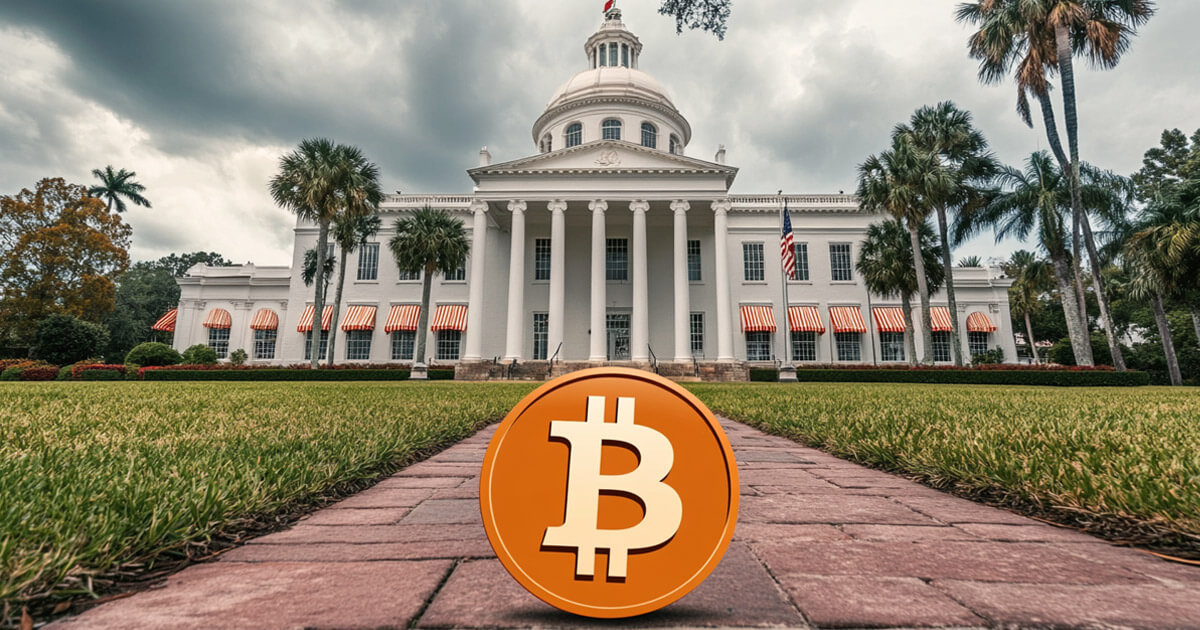
Byron Donalds, a prominent US congressman and candidate for Florida’s governorship, has put forth an intriguing proposal that could potentially revolutionize the state’s financial strategy. He has suggested the establishment of a Bitcoin reserve, touting the digital asset as a safeguard against inflation and federal monetary policies.
In a recent interview with Fox Business on March 10, Donalds emphasized the importance of holding Bitcoin specifically as part of Florida’s financial portfolio, distinguishing it from broader crypto investments. He highlighted Bitcoin’s track record of value appreciation, citing its remarkable rise from $500 in 2015 to over $80,000 today. Drawing parallels to gold, he underscored Bitcoin’s scarcity and its potential role as a store of value.
Furthermore, Donalds criticized the Federal Reserve’s monetary policies, expressing concerns over the weakening of the US dollar due to excessive money printing. He argued that with Congress failing to control spending, incorporating a Bitcoin reserve into Florida’s financial strategy could offer long-term value and stability.
When questioned about the funding for such a reserve, Donalds suggested that existing state surpluses could be utilized instead of resorting to new tax revenue. He clarified that this approach would not involve additional tax dollars but did not elaborate on the specific method of acquiring Bitcoin. Drawing parallels to pension funds investing in securities, he pointed out that Bitcoin, like traditional assets, has the potential for long-term appreciation. He likened the idea to strategic reserves of oil, indicating that holding Bitcoin could serve as a prudent financial hedge for the state.
This proposal comes in the wake of President Donald Trump’s recent executive order to establish both a Strategic Bitcoin Reserve and a Strategic Digital Asset Stockpile, signaling a growing acknowledgment of digital assets as valuable reserves.
Donalds’ suggestion aligns with a growing trend among states considering Bitcoin as a reserve asset. Pennsylvania, for instance, introduced legislation in late 2024 to allocate up to 10% of its general and rainy-day funds into Bitcoin. More than 20 other states have also proposed similar legislation, with Texas leading the way in fully adopting the concept. On the other hand, states like Utah have decided to hold off on establishing a Bitcoin reserve for the time being.
While Florida has not yet taken concrete steps towards implementing a Bitcoin reserve, Donalds’ proposal reflects a rising interest among policymakers in integrating digital assets into long-term financial planning. The outcome of the state’s upcoming gubernatorial race may play a pivotal role in determining the fate of this innovative initiative.
As the landscape of financial reserves continues to evolve, the integration of Bitcoin as a strategic asset could mark a significant step forward in reshaping traditional financial paradigms. It remains to be seen how Florida will respond to this proposal and whether other states will follow suit in embracing the potential benefits of incorporating digital assets into their financial reserves.