
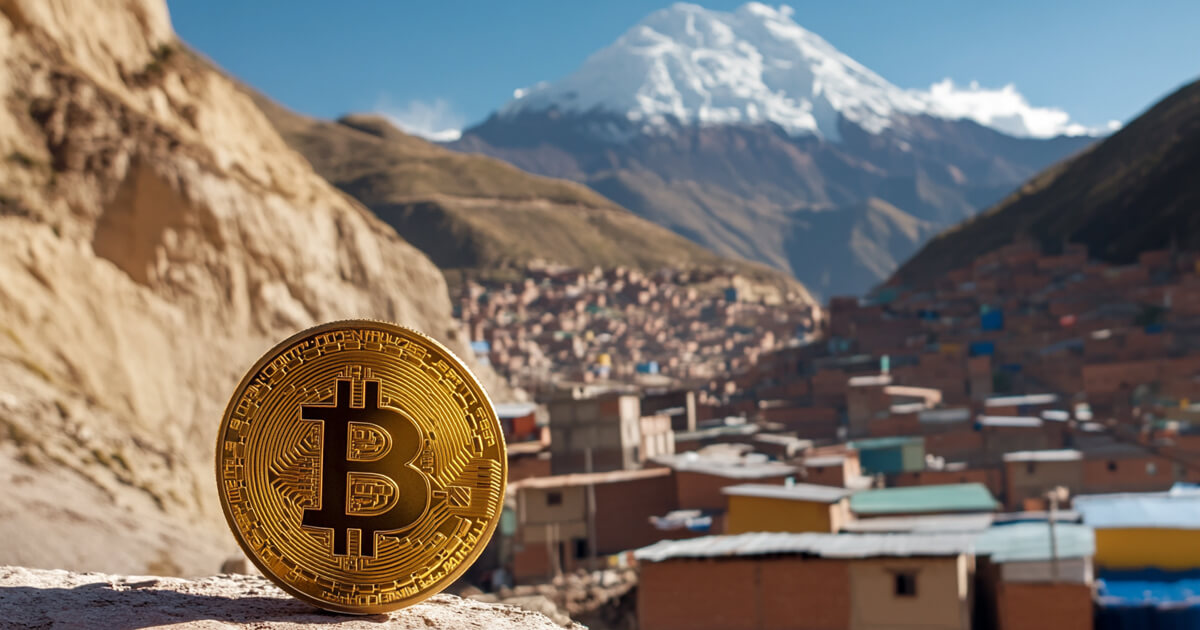
Bolivia has recently made a groundbreaking decision to authorize its state-run energy company, YPFB, to use cryptocurrency for fuel imports. This move comes as the country faces a severe dollar shortage and fuel crisis, leading to long lines at gas stations and protests in various regions.
The government’s approval of using crypto for fuel imports is aimed at sustaining fuel subsidies and securing essential energy supplies amidst declining foreign currency reserves. Bolivia has been struggling with declining natural gas production and dwindling exports, forcing the country to rely more on imports. However, a lack of dollars has complicated payments to foreign suppliers, exacerbating the fuel crisis.
YPFB has confirmed that the system for crypto transactions is now in place, and the company intends to carry out trades using digital assets. While no crypto payments have been executed yet, a government official clarified that YPFB plans to do so soon.
This shift in policy marks a significant change for Bolivia, as the country’s central bank had initially banned crypto in 2020 due to concerns over financial stability and illicit transactions. However, the ban was lifted in 2024, aligning Bolivia with other Latin American countries facing currency crises that have turned to digital assets to facilitate trade.
The economic struggles in Bolivia are largely due to its dependence on natural gas exports, which have been steadily declining. With major buyers like Brazil and Argentina reducing their reliance on Bolivian gas, the country has struggled to generate foreign reserves for imports. The lack of new gas discoveries and foreign investment has further worsened the crisis.
While YPFB has not disclosed which cryptocurrencies it will use for payments or how it will manage the volatility associated with crypto, the government’s move to adopt digital assets for energy transactions highlights the urgency to secure fuel supplies. If successful, this policy could reshape Bolivia’s financial strategy and signal a broader shift toward digital assets in the country’s economy.
The integration of cryptocurrency into Bolivia’s energy sector could be a game-changer for the country’s economic outlook, providing a potential solution to its ongoing fuel crisis and dollar shortage.