
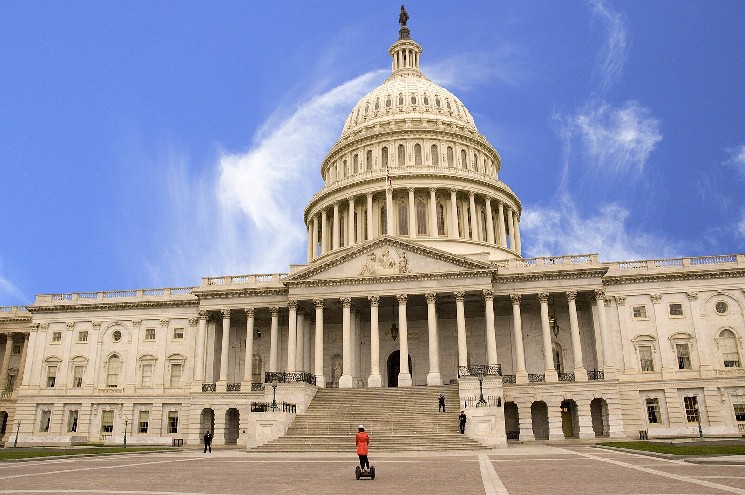
A new market structure bill aims to regulate digital assets in the U.S
A discussion draft of the highly anticipated market structure bill, which seeks to establish a regulatory framework for digital assets in the United States, was unveiled on Monday. This bill comes as a response to criticisms faced by FIT21 for limiting the regulatory powers of the Securities and Exchange Commission (SEC). The main objective of the bill is to clearly define the roles and responsibilities of both the SEC and the Commodity Futures Trading Commission (CFTC) in regulating digital assets. Under this proposed legislation, the SEC would oversee cryptocurrency offerings that are considered investment contracts, while the CFTC would be responsible for regulating commodities.
Decentralization and Transparency
One of the key features of the bill is the establishment of a clear decentralized test. In order for a project to be classified as decentralized, no single entity should have unilateral control. Additionally, any holder controlling more than 10% of the token supply must be disclosed while the project remains centralized to ensure transparency. The bill also defines a blockchain as “mature” if it possesses fundamental value, is substantially developed, functional, open, impartial, rules-based, and is not centrally controlled or owned (with less than one-fifth of the total supply).
Expanding Access to Ordinary Investors
The draft version of the bill eliminates net worth thresholds, opening up the market to a broader range of investors. This move is aimed at increasing accessibility and inclusivity within the digital asset space.
Regulation of DeFi Protocols
In the realm of decentralized finance (DeFi), certain protocols may be exempt from regulation if they are non-custodial and do not exercise discretionary control. This exemption is designed to foster innovation and growth within the DeFi sector.
Stablecoin Classification
The bill also addresses stablecoins, categorizing them without labeling them as securities. This distinction is crucial for the stablecoin industry, providing clarity on their regulatory status.
As the U.S. Congress moves swiftly to unlock crypto innovation in the country, industry experts and stakeholders have expressed optimism about the potential impact of this new market structure bill. Despite facing challenges in the Senate, this legislation marks a significant step towards creating a more transparent and regulated environment for digital assets in the United States.