
Stablecoins are the future of digital money on blockchains, offering a myriad of benefits for the financial sector. These cryptographic coins, pegged to traditional currencies like dollars, euros, or sterling, are revolutionizing the way we transact and interact with money. They enable instant, low-cost peer-to-peer transactions, powering global payments and innovative applications such as automated lending and securities trading.
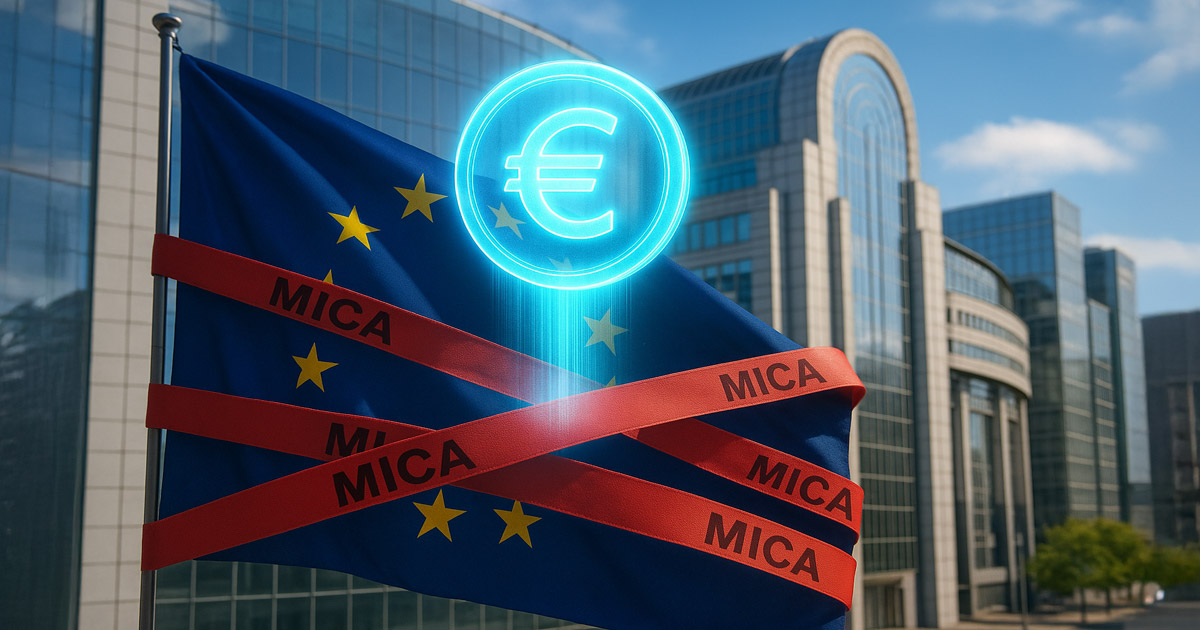
In Europe, however, the regulatory landscape surrounding stablecoins has hindered their widespread adoption. The EU’s Market in Crypto-Assets regulations (MiCA) impose unnecessary barriers and tariffs on stablecoin issuers, making it challenging for fintech companies to leverage the full potential of this technology. The requirement for stablecoins to be classified as e-money under MiCA adds layers of red tape, creating anti-competitive restrictions and additional costs for issuers.
One of the key issues with MiCA is the bank safeguarding requirement, which forces stablecoin issuers to hold a significant portion of customer funds with banks. This not only increases operational costs but also introduces unnecessary risk into the system. By mandating banks as gatekeepers for e-money onchain, MiCA tilts the playing field in favor of traditional financial institutions, stifling innovation and competition in the digital money space.
To address these challenges and unlock the full potential of stablecoins in Europe, regulatory reforms are needed. The EU should streamline the e-money regulations under MiCA, removing blockchain-specific requirements and unnecessary red tape. Additionally, the European Central Bank (ECB) should level the playing field between banks and e-money issuers by granting direct access to its safeguarding facilities. By empowering e-money issuers with the same access to core payment systems as banks, the ECB can foster a more competitive and innovative ecosystem for euro stablecoins.
As Mario Draghi rightly points out, a fundamental change in mindset is needed to embrace the benefits of stablecoins and digital money in Europe. By eliminating unnecessary barriers and tariffs, the EU can pave the way for a more efficient and inclusive financial system that leverages the full potential of stablecoin technology. Let’s prioritize regulatory reforms that support innovation and competition in the digital money space, propelling Europe towards a more dynamic and resilient financial future.