
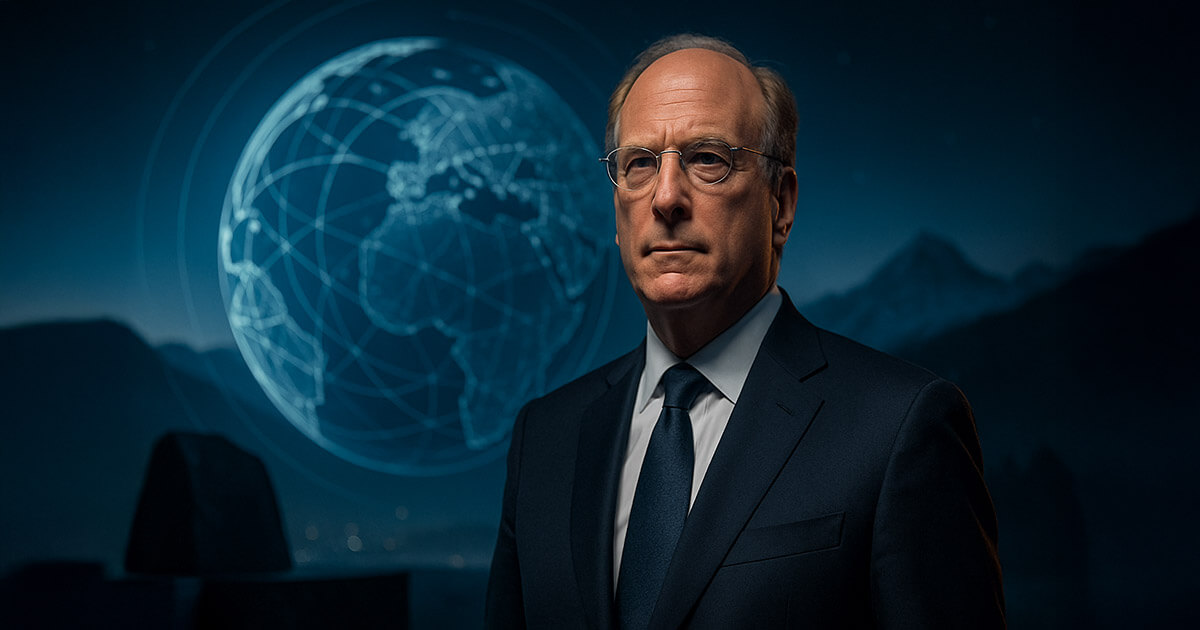
The World Economic Forum (WEF) has recently made a significant move by appointing BlackRock CEO Larry Fink as interim co-chair. This decision follows a thorough internal review that cleared WEF founder Klaus Schwab of any wrongdoing and set the stage for a temporary leadership change as the organization reevaluates its governance structure.
BlackRock, with trillions in assets under management, holds substantial influence in financial markets, ESG policy, and investment strategies. Fink’s appointment as interim co-chair is strategic and could potentially accelerate the institutional adoption of digital assets like Bitcoin within global policy forums and mainstream financial systems.
Larry Fink is known for his leadership in promoting environmental, social, and governance (ESG) investing at BlackRock, advocating for a more sustainable global economy. BlackRock has also been a major player in the crypto market, with the approval of a Bitcoin spot ETF in 2024, which significantly boosted the legitimacy of Bitcoin as an asset class for various types of investors.
With Fink now leading the WEF, the boundaries between traditional finance and the digital asset economy continue to blur. The WEF plays a crucial role in shaping global regulatory, economic, and technological discussions, and Fink’s influence over both Wall Street and Davos is substantial.
Fink’s appointment could signal a more progressive stance on cryptocurrency within elite policy circles, potentially paving the way for greater integration of Bitcoin and blockchain solutions in global finance and among world decision-makers.
The recent internal review that cleared Klaus Schwab of any wrongdoing has prompted the WEF to focus on organizational transformation. Schwab, who founded the WEF in 1971, has faced criticism regarding governance issues, leading to the appointment of interim co-chairs to enhance transparency and bring fresh perspectives to the leadership team.
Fink, alongside André Hoffmann, vice chairman of Roche Holding AG, will serve as interim co-chairs, embodying the Forum’s commitment to multi-sector collaboration and institutional accountability.
As geopolitical tensions, economic uncertainties, and climate change challenges continue to escalate, the new interim co-chairs face the task of restoring confidence, driving progress on global issues, and preparing the Forum for its next phase of growth and impact.