
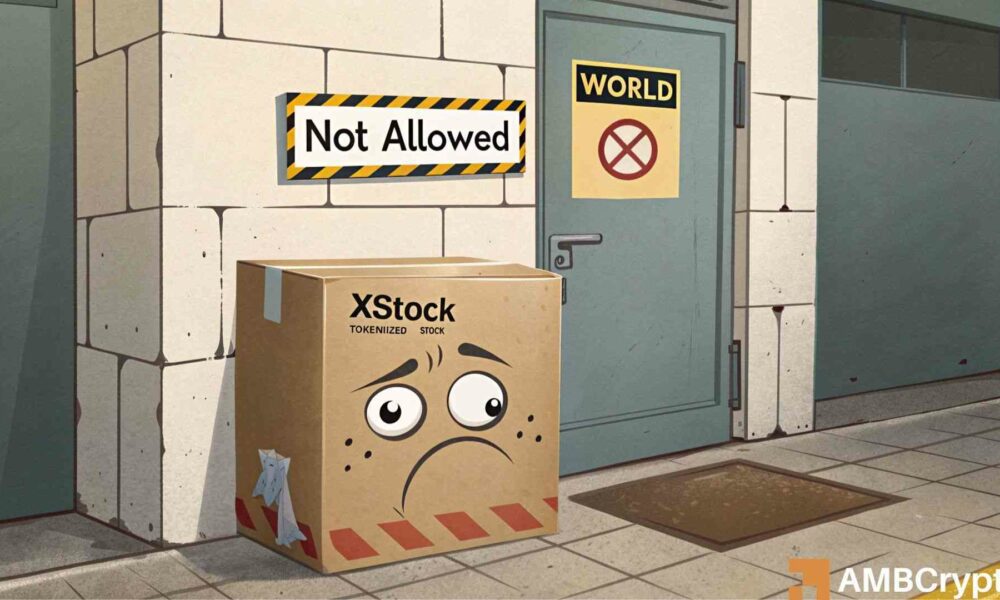
In the world of stock exchanges, a new trend has emerged that has raised concerns among regulators and traditional players. Tokenized stocks, also known as on-chain stocks, have been labeled as ‘copycats’ by stock exchanges under the World Federation of Exchanges (WFE). These tokenized stocks are seen as mimics that lack the rights and protections afforded to traditional shareholders.
The WFE has urged regulators to crack down on these tokenized stocks, citing concerns about market integrity and investor protection. According to the WFE, these tokenized stocks operate in a grey area and pose risks to investors by bypassing established safeguards. The emergence of unregulated platforms offering tokenized equities has raised serious concerns among stock exchanges, who fear that these offerings could divert order flow from regulated venues and drive users away from traditional exchanges.
Companies like Robinhood, Backed Finance, and Coinbase have all entered the tokenized stocks market, offering users access to the U.S. equity market through tokenized assets. However, the WFE has emphasized the need for tokenized stock issuers to meet the same rigorous oversight standards as traditional exchanges. Retail investors may be misled into thinking they have the same rights as traditional shareholders when investing in tokenized stocks, which could expose them to risks without proper protections.
This pushback from traditional players in the financial industry is not unique to tokenized stocks. Recently, a U.S. banking group called for an amendment to seal a loophole that allows exchanges to pay interest on stablecoins, signaling a broader effort by traditional financial firms to secure their turf. The crypto lobby is urged to prepare to fight back against these challenges to innovation in the digital asset space.
As the debate over tokenized stocks continues, regulators will need to balance innovation with investor protection to ensure that new technologies are not used as a mask for risk and opacity. The pushback from traditional financial institutions highlights the need for collaboration and dialogue between the crypto industry and traditional players to ensure a smooth transition to the digital asset space.