
The Ultimate Guide to ERC-20 Tokens: Benefits, Use Cases, and How to Create Them
Posted On November 18, 2024
ERC-20 tokens are cryptocurrencies built on the Ethereum blockchain with specific rules and standards, similar to apps for iPhones on iOS. They enable decentralized finance (DeFi) services like lending, borrowing, and trading without intermediaries.
As of 2024, the DeFi market size exceeds $46 billion, growing at a rate of 10.98% annually. ERC-20 tokens play a significant role in DeFi, allowing seamless use across platforms.
But how do ERC-20 tokens work, and what benefits do they offer?
In this comprehensive guide, we delve into the world of ERC-20 tokens, explaining their functionality, advantages, limitations, and much more.
Understanding ERC-20 Tokens
Introduced by Fabian Vogelsteller and Vitalik Buterin in 2015, ERC-20 tokens gained official status in 2017 during the Initial Coin Offering (ICO) boom. These tokens adhere to a set of rules specified by the “Ethereum Request for Comment 20” standard, governing aspects like transfers, approvals, and data access.
The ERC-20 standard facilitates the creation of new cryptocurrencies by providing a clear framework for compatibility within the Ethereum ecosystem. Essentially, ERC-20 tokens enhance interoperability and flexibility in the Ethereum network.
Examples of Popular ERC-20 Tokens
- Chainlink (LINK): A decentralized oracle network enabling smart contracts to access real-world data, enhancing functionality.
- Uniswap (UNI): The governance token for a leading decentralized exchange, empowering users to participate in decision-making.
- Tether (USDT): A stablecoin pegged to the US dollar, offering stability in the volatile crypto market.
Functionality of ERC-20 Tokens
ERC-20 tokens operate on the Ethereum blockchain using smart contracts to manage their activities. Each token represents a digital asset exchangeable within the Ethereum ecosystem. These tokens adhere to specific rules to ensure seamless interaction with other tokens and services on Ethereum.
Smart contracts form the foundation of ERC-20 tokens, overseeing token creation, transfer, and management to ensure transparent, secure, and tamper-proof transactions.
The ERC-20 standard comprises six essential functions and three optional ones, including totalSupply, balanceOf, transfer, approve, transferFrom, and allowance. These functions enable the movement, tracking, and utilization of tokens in a predictable manner, ensuring compatibility with decentralized applications (dApps), wallets, and exchanges.
While ERC-20 tokens are fungible, other token standards like ERC-721 (NFTs) and ERC-1155 offer unique functionalities for different use cases.
Advantages of ERC-20 Tokens
ERC-20 tokens offer several key benefits that set them apart from other cryptocurrencies:
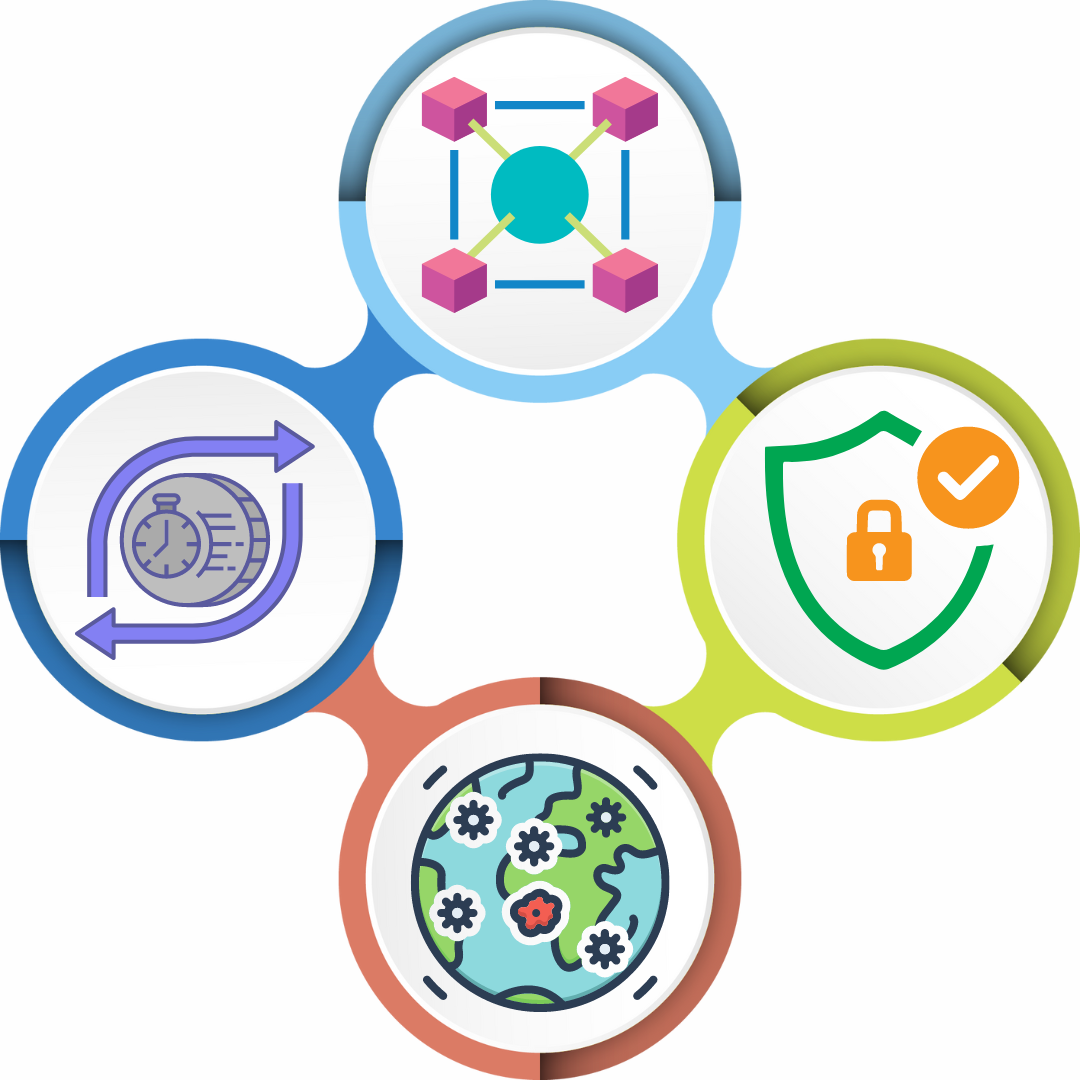
Interoperability
ERC-20 tokens seamlessly integrate within the Ethereum ecosystem, interacting with dApps, wallets, and exchanges due to standardized protocols. Platforms like Uniswap and MetaMask support ERC-20 tokens, facilitating easy trading and management.
Security
ERC-20 tokens benefit from Ethereum’s robust security features, including decentralization and smart contract enforcement. These aspects make them less susceptible to hacking and fraud, ensuring transaction integrity.
Efficiency in Transactions
The Ethereum blockchain processes transactions swiftly, typically within 15 seconds, enabling rapid token transfers. Smart contracts automate tasks, reducing manual intervention and transaction costs, making ERC-20 tokens faster and more cost-effective than traditional systems.
Widespread Adoption
ERC-20 tokens have gained widespread adoption across various crypto applications, from ICOs to DeFi platforms and gaming. Platforms like Aave and Compound heavily rely on ERC-20 tokens, fostering a vibrant ecosystem driving innovation.
Creating an ERC-20 Token
Step-by-Step Guide
1. Set Up the Development Environment
To begin, configure your development environment by installing Node.js, npm, and the Truffle framework. Obtain an Ethereum wallet like MetaMask for token management and blockchain interaction.
2. Write the Smart Contract
Create a new project using Truffle and craft your ERC-20 smart contract in Solidity. Adhere to predefined templates to comply with ERC-20 standards, defining crucial functions like totalSupply, balanceOf, transfer, approve, transferFrom, and allowance.
3. Compile and Deploy the Contract
After scripting the contract, compile and deploy it. Utilize Truffle to compile the smart contract, verifying for errors and generating essential bytecode. Test the contract on the Ethereum test network before deploying it on the main network.
4. Test the Contract
Thoroughly test the contract to ensure all functions operate as intended, including token transfers and transaction approvals. Leverage tools like Remix and Ganache for local testing and debugging.
5. Verify and Publish the Contract
Enhance transparency and trust by verifying the smart contract on Etherscan. Publish the contract address and details for user interaction, promoting token accessibility.
Bonus Tip
For additional assistance, leverage ChatGPT to generate boilerplate code, offer best practices, troubleshoot Solidity code errors, write test cases, and provide debugging strategies.
Required Tools and Resources
- Development Frameworks: Truffle, Hardhat, OpenZeppelin
- Smart Contract Languages: Solidity
- Wallets: MetaMask, MyEtherWallet
- Testing Tools: Ganache, Remix
- Blockchain Networks: Ethereum mainnet, Ropsten testnet
Use Cases of ERC-20 Tokens
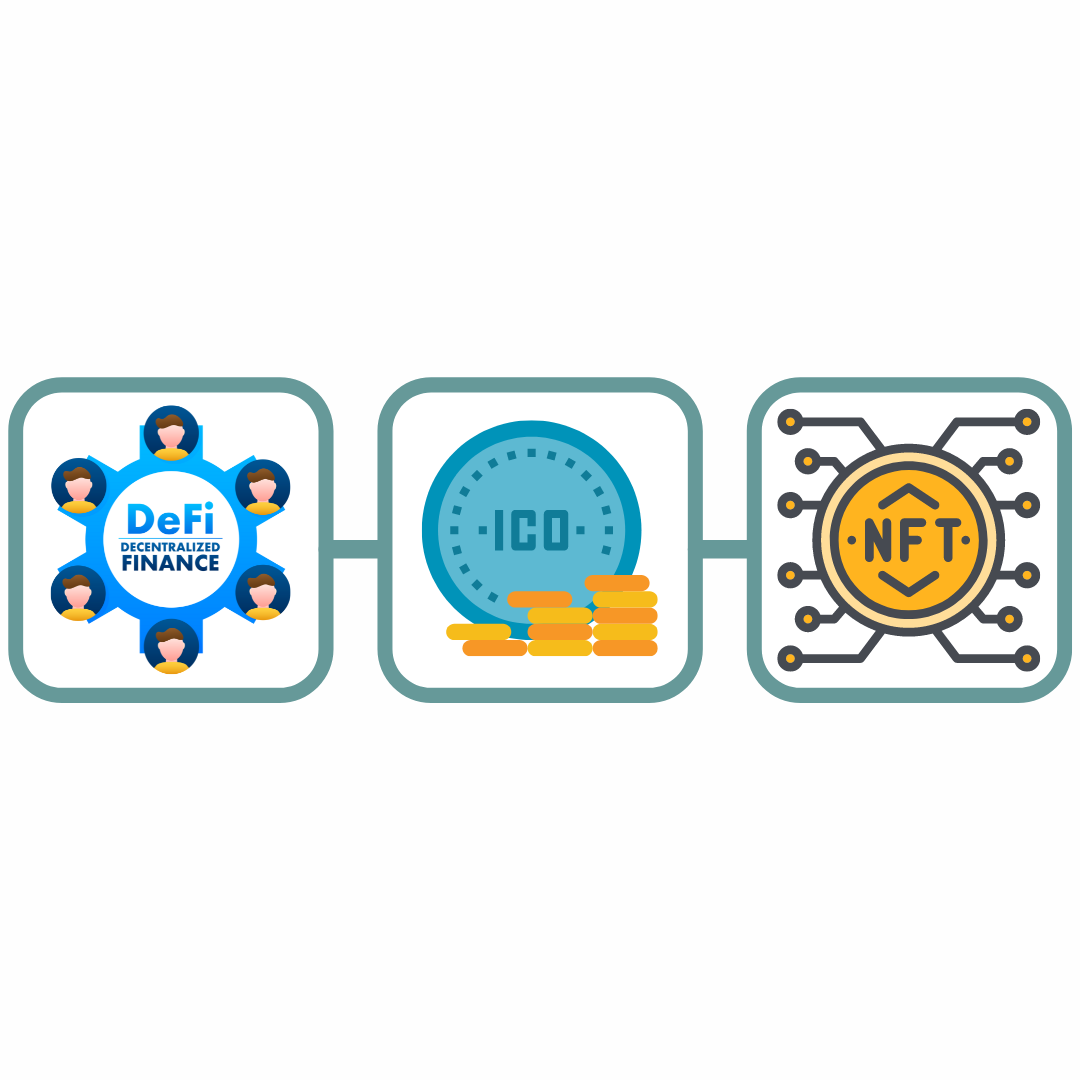
Decentralized Finance (DeFi)
ERC-20 tokens serve as the foundation of DeFi, powering platforms like Aave for lending and Uniswap for trading. The Ethereum blockchain, supported by these tokens, enables fast transactions, low costs, and smart contract capabilities that drive DeFi innovations.
DeFi democratizes financial services by eliminating intermediaries, reducing costs, and broadening access to all individuals.
Initial Coin Offerings (ICOs)
New blockchain projects seeking funding create ERC-20 tokens on Ethereum for ICOs. These tokens represent ownership or utility in the project, with investors purchasing them using Ethereum to support project development.
ICO fundraising has propelled numerous startups in the industry, exemplified by Ethereum’s own ICO success.
Gaming and NFTs
ERC-20 tokens function as in-game currency and digital assets in gaming and NFTs, facilitating seamless trading and utilization across diverse games and NFT marketplaces.
Virtual land in platforms like Decentraland has fetched over $100,000, showcasing the robust economy built on ERC-20 tokens.
As blockchain adoption expands, ERC-20 tokens are poised to play pivotal roles in finance, supply chain, healthcare, and more due to their flexibility and interoperability.
Storing ERC-20 Tokens
Hardware Wallets: Devices like Ledger Nano S, Ledger Nano X, and Trezor store private keys offline for enhanced security, though they may be less convenient for frequent transactions.
Software Wallets: Apps such as MetaMask, MyEtherWallet, and Trust Wallet store private keys on devices, offering ease of use for daily transactions and dApp interactions, albeit with slightly higher vulnerability to cyber threats.
Paper Wallets: Paper wallets involve printing private keys and addresses for offline protection, though they are susceptible to physical damage or loss, making them less suitable for frequent transactions.
Best Practices:
- Use strong, unique passwords and enable two-factor authentication (2FA) for wallet security.
- Maintain the confidentiality of private keys and avoid sharing them with others.
- Regularly update wallet software to mitigate security risks.
- Beware of phishing attempts and refrain from storing private keys online.
- Back up wallet data regularly and avoid using public Wi-Fi for wallet access.
Top ERC-20 Tokens for Investment
- Chainlink
- Polygon
- Uniswap
- Filecoin
- Wrapped Bitcoin
Tax Implications of ERC-20 Tokens
ERC-20 tokens, like all cryptocurrencies, are subject to diverse tax laws globally. Generally, they are treated as property, requiring payment of capital gains tax upon profitable sale or exchange.
Receiving payments in crypto usually incurs ordinary income tax rates. To minimize tax liabilities, consider holding tokens for over a year to qualify for lower long-term capital gains rates.
Failing to report ERC-20 token transactions can result in penalties, necessitating compliance with tax regulations in the U.S. and other jurisdictions.
Refer to comprehensive country-specific crypto tax guides for insights into local tax laws, gray areas in crypto taxation, and taxation of various transactions.
FAQ
How to Acquire an ERC-20 Token?
To obtain an ERC-20 token, set up an Ethereum wallet like MetaMask or Trust Wallet. Purchase Ethereum (ETH) on a crypto exchange, transfer it to your wallet, then use a decentralized exchange (DEX) like Uniswap to trade ETH for the desired ERC-20 token.
Verify the token’s contract address post-transaction to avoid scams.
Best Crypto Wallet for ERC-20 Tokens?
The optimal crypto wallet for ERC-20 tokens depends on individual requirements.
For heightened security, hardware wallets like Ledger Nano S and Trezor offer offline key storage. Software wallets like MetaMask and Trust Wallet provide convenience for frequent transactions and dApp usage.
Number of ERC-20 Tokens in Circulation?
Over 500,000 ERC-20 tokens are currently in circulation.
Is Solana an ERC-20 Token?
No, Solana operates on its blockchain with its native cryptocurrency, SOL.
Is Dogecoin an ERC-20 Token?
No, Dogecoin has its native cryptocurrency and does not adhere to the ERC-20 standard.
Is Polkadot an ERC-20 Token?
Polkadot functions on its blockchain with its cryptocurrency, DOT, distinct from ERC-20 tokens.
Is XRP an ERC-20 Token?
No, XRP operates on the XRP Ledger and is not an ERC-20 token.
Is BNB an ERC-20 Token?
BNB, initially an ERC-20 token, transitioned to the Binance Chain, operating independently from the Ethereum network.