
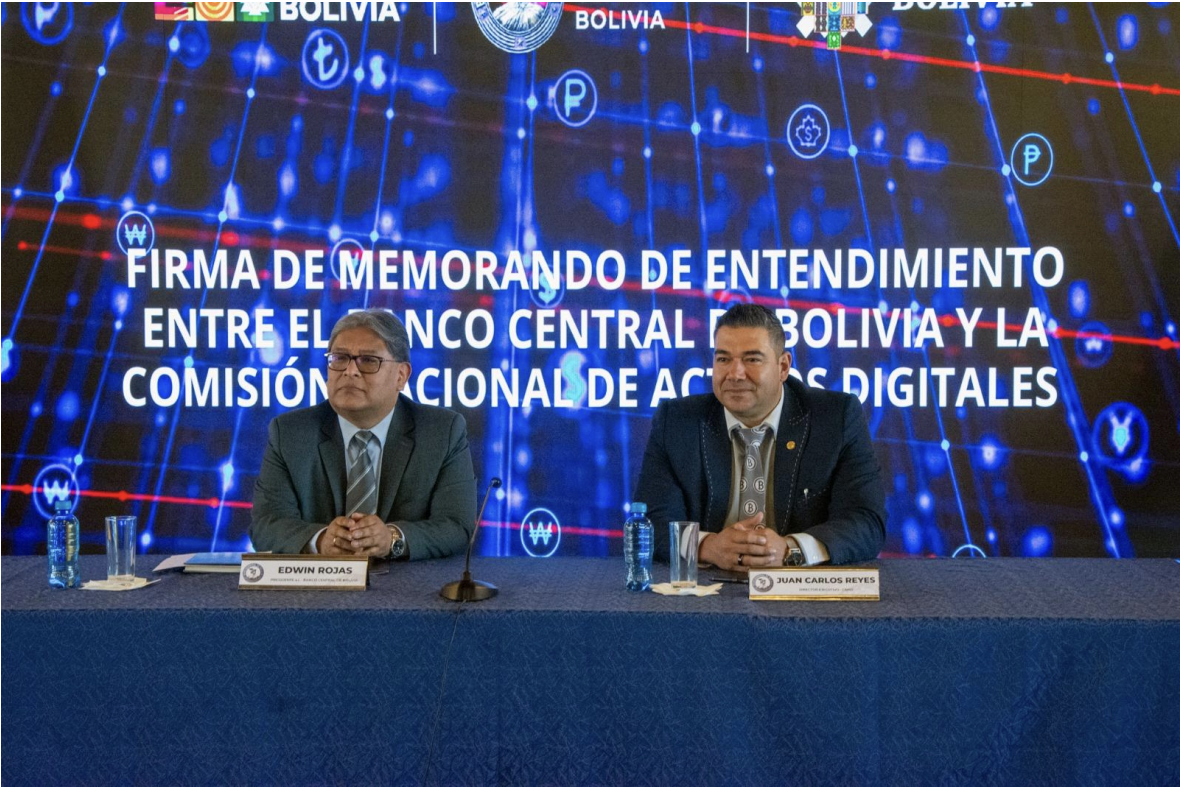
Bolivia has taken a significant step towards embracing cryptocurrency by signing a memorandum of understanding with El Salvador to promote the development of digital assets. This move marks a dramatic shift in policy for Bolivia, which had previously banned virtual assets but now recognizes them as a “reliable alternative” to traditional currencies.
The cooperation agreement between Bolivia’s Central Bank and El Salvador’s National Commission of Digital Assets allows for the exchange of information and knowledge sharing on blockchain intelligence tools, risk analysis, and regulatory experiences. This partnership comes at a time when Bolivia’s virtual asset usage has surged by 532% in just one year, from $46.5 million to $294 million between June 2024 and June 2025.
The agreement with El Salvador will allow Bolivia to benefit from the pioneering regulatory framework and practical experience of being the world’s first country to adopt Bitcoin as legal tender. El Salvador’s CNAD has become a key player in the global digital assets ecosystem, providing valuable guidance despite recent restrictions from the International Monetary Fund.
Bolivia’s cryptocurrency revolution has been gaining momentum, with the Central Bank authorizing state oil company YPFB to use cryptocurrency for purchasing crude oil and diesel from international vendors. This move aims to address foreign currency shortages that have led to fuel supply disruptions across the country.
The partnership with El Salvador will provide technical expertise for developing secure and regulated cryptocurrency ecosystems, allowing Bolivians to use cryptocurrency for cross-border transactions and e-commerce payments. This aligns with Bolivia’s commitment to modernizing the financial system and deepening financial inclusion through regulated cryptocurrency ecosystems.
While El Salvador faces constraints from the IMF loan agreement, with restrictions on new government purchases of Bitcoin and the privatization of the Chivo wallet, the country’s regulatory framework remains among the most advanced globally. However, there are concerns about declining public engagement in cryptocurrency learning programs following the IMF deal, raising questions about the long-term viability of El Salvador’s original Bitcoin vision.
In conclusion, Bolivia’s partnership with El Salvador signals a new era of collaboration in the world of digital assets, with both countries working towards promoting innovation, security, and regulatory compliance in the cryptocurrency sector. As Bolivia embraces cryptocurrency as a “reliable alternative” to traditional currencies, it joins a growing number of countries using digital assets for international trade and financial transactions.