
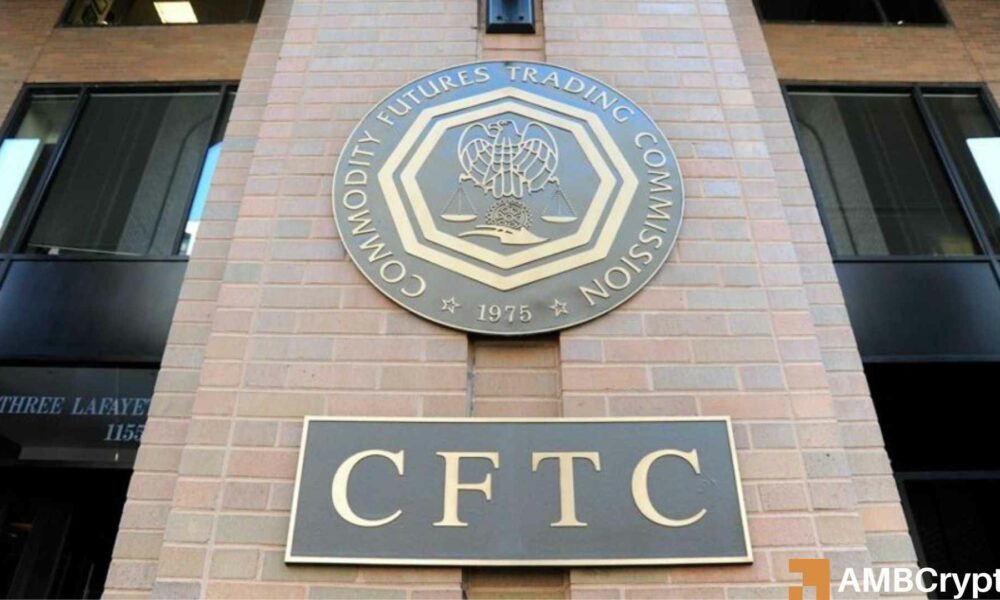
The U.S. Commodity Futures Trading Commission (CFTC) is making strides in the implementation of the President’s Digital Assets Working Group recommendations with the launch of its second phase of the ‘Crypto Sprint’ initiative. This initiative aims to gather public comments to further advance the integration of digital assets into mainstream financial markets.
Acting CFTC chair, Caroline Pham, emphasized the importance of public feedback in achieving President Donald Trump’s vision for the crypto sector. The public comments will play a crucial role in shaping the regulatory framework for leveraged, margined, or financed retail trading on CFTC-registered exchanges.
The President’s Working Group on Digital Asset Markets released recommendations in late July, focusing on accelerating a comprehensive market structure bill through Congress and fostering collaboration between the CFTC and SEC to incorporate DeFi and crypto into traditional financial markets.
During the first phase of the Crypto Sprint, the CFTC sought public input on a proposal for a unified license covering both spot and futures crypto trading. The second phase of engagement is now underway, with a deadline set for October 20th.
In parallel, the CFTC is collaborating with the SEC through its ‘Project Crypto’ initiative to address shared oversight responsibilities under the CLARITY Act. This joint effort underscores the agencies’ commitment to regulating digital assets effectively.
Moonpay’s President, Keith Grossman, commended the CFTC’s initiative, highlighting the importance of creating a rational and transparent regulatory framework for the crypto industry. The agency plans to release guidance on operating under the unified crypto spot and derivatives trading license based on stakeholder feedback.
As part of the new initiative, the CFTC will address various issues, including the classification of crypto assets as commodities or securities. Recommendations from experts, such as implementing leverage limits to protect retail investors and defining clear distinctions between commodities and securities, will inform the agency’s directive.
Jake Chervinsky, a legal expert, supports the rulemaking approach, suggesting that issuing targeted guidance may be more effective than relying on a broader market structure framework. The CFTC’s efforts to provide clarity and guidance for the crypto industry are seen as a positive step towards fostering innovation and investor protection in the digital asset space.
In conclusion, the CFTC’s second phase of the Crypto Sprint initiative signals a commitment to advancing regulatory clarity and oversight in the rapidly evolving digital asset landscape. By engaging with stakeholders and experts, the agency aims to create a robust framework that supports responsible innovation and protects investors in the crypto market.