

Strategies to Reduce Crypto Slippage and Improve Trading Efficiency
Posted On June 20, 2025
Crypto slippage occurs when the expected price of a trade does not match the price at which it is executed. This phenomenon is common in volatile markets and with low liquidity assets. To mitigate slippage in the crypto market, traders can employ various strategies such as sticking to high-liquidity pairs, using limit orders, adjusting slippage tolerance settings, and leveraging DEX aggregators.
Slippage in the crypto market can be a major concern for traders, especially when dealing with highly volatile assets or less liquid tokens. While slippage typically ranges from 0.5-1%, it can escalate to 3-5% or higher under certain circumstances. Understanding the causes of slippage and implementing effective strategies can help traders navigate the challenges associated with it.
Understanding Crypto Slippage
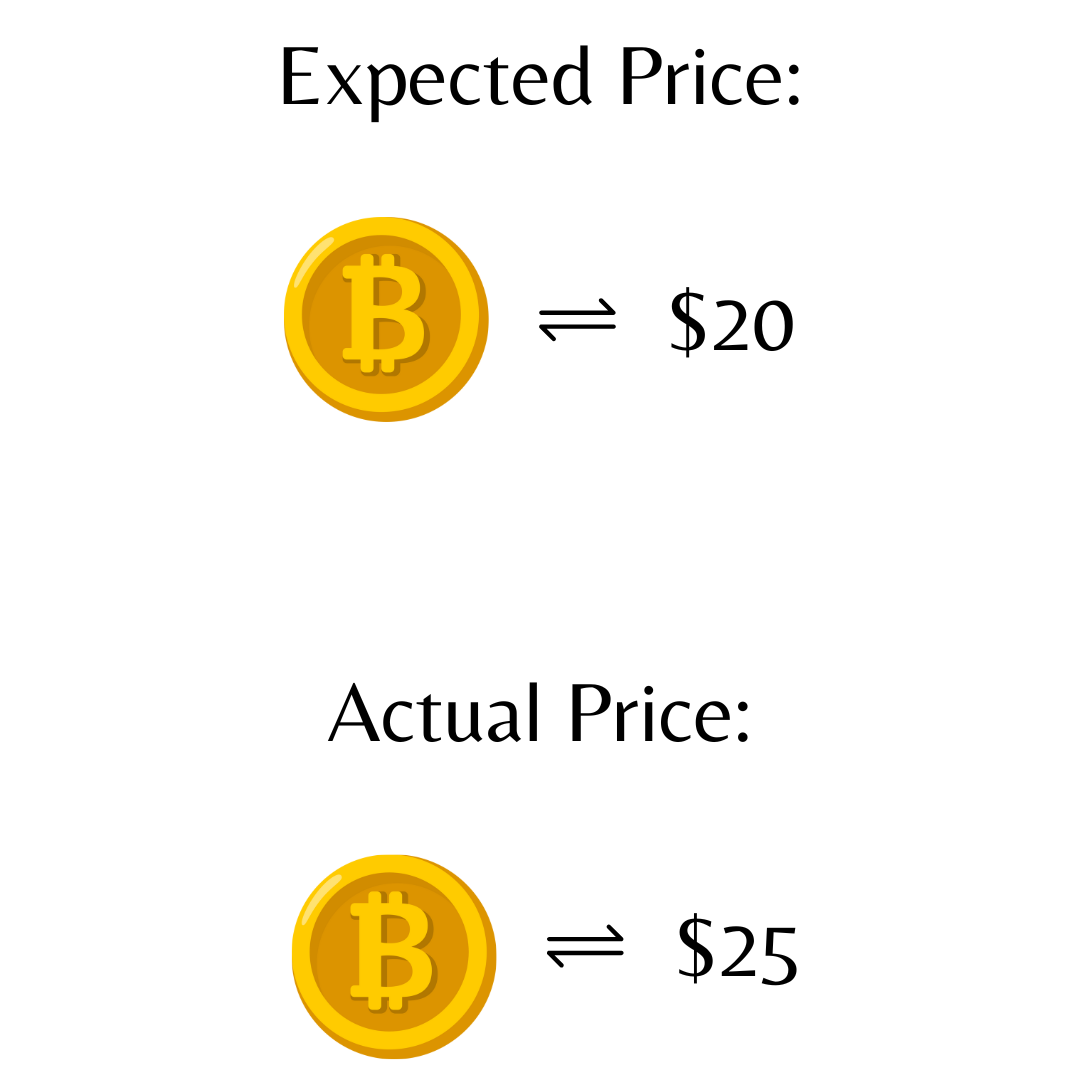
Crypto slippage occurs when the execution price of a trade deviates from the expected price. This discrepancy is often observed in fast-moving markets or when trading assets with limited liquidity. Slippage can either work in favor of the trader (positive slippage) or against them (negative slippage).
On centralized exchanges (CEXs), trades are facilitated through an order book where buyers and sellers set prices. In cases of large trades or insufficient matching orders in the order book, slippage can occur, leading to partial execution at different prices.
In contrast, decentralized exchanges (DEXs) like Uniswap operate using liquidity pools instead of order books. In scenarios where liquidity is low or trade volumes are significant, substantial slippage may be experienced.
For example, trading a large amount of ETH for USDC on a DEX with limited liquidity can result in receiving less USDC than anticipated. Similarly, placing a market order for a significant amount of BTC on a CEX during periods of high volatility can lead to partial execution at unfavorable prices.
Factors Contributing to Slippage
Market Volatility
Market volatility, characterized by rapid price fluctuations, is a primary driver of slippage in the crypto market. Sudden price changes between order placement and execution can result in slippage.
Events such as major announcements, regulatory decisions, or significant updates in the crypto space can trigger heightened volatility, increasing the likelihood of slippage.
Liquidity Pools and Slippage
Decentralized exchanges and liquidity pools experience slippage due to inadequate liquidity to fulfill trades at desired prices. When liquidity is scarce, the AMM formula adjusts prices to accommodate trades, leading to slippage.
Trading on platforms like Uniswap with low liquidity can result in receiving fewer tokens than expected due to price adjustments in the pool.
Transaction Delays
Transaction delays, caused by block confirmation times, can contribute to slippage as market conditions evolve during the processing period. Congestion on the blockchain can lead to price disparities between trade initiation and execution.
Opting for blockchains with faster processing times, such as Binance Smart Chain, can help mitigate slippage risks associated with transaction delays.
Strategies to Reduce Slippage
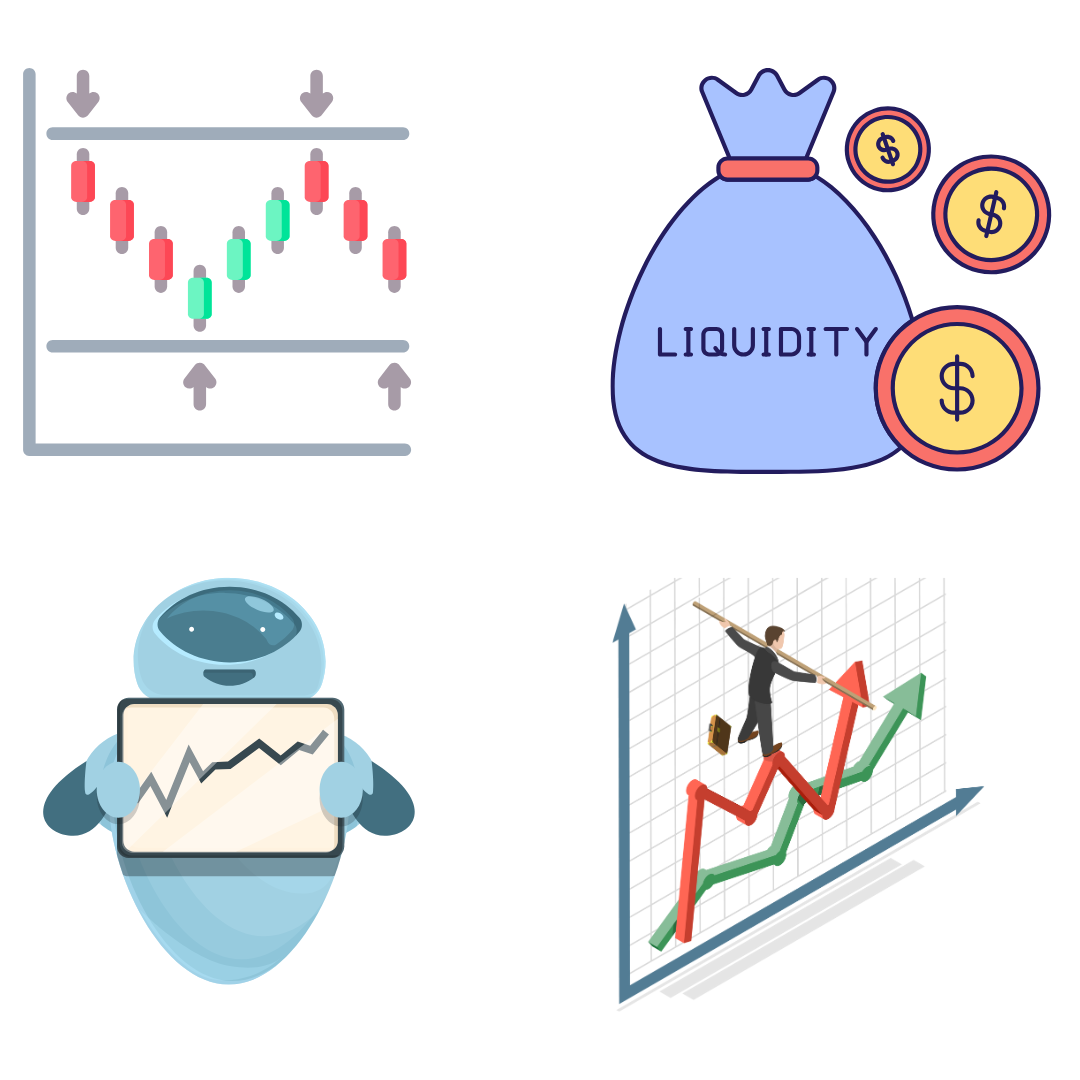
Utilize Limit Orders vs. Market Orders
Limit orders enable traders to specify a price or better for trade execution, mitigating unexpected slippage. By setting maximum or minimum prices for buying or selling, traders can control the price at which trades are executed.
While limit orders offer protection against adverse price movements, they may delay trade execution if market conditions do not meet the specified prices.
Adjust Slippage Tolerance Settings
Traders can set slippage tolerance percentages on most platforms to determine acceptable price deviations before trade failure. Balancing tolerance levels is crucial to avoid significant losses while ensuring trade execution in volatile markets.
Higher slippage tolerance increases trade execution probability but exposes traders to risks like frontrunning, where opportunistic entities exploit pending transactions to manipulate prices.
Trade in High-Liquidity Pools or Use DEX Aggregators
High-liquidity pools and DEX aggregators facilitate efficient trade execution by minimizing price impact on large orders. Platforms like Curve Finance and DEX aggregators like 1inch optimize trade routing for better prices and reduced transaction costs.
Leverage Layer-2 Solutions
Layer-2 solutions enhance transaction speed and cost efficiency by offloading network traffic from the main blockchain. Platforms like Arbitrum and Optimism expedite trade executions and lower fees while maintaining security.
Traders can benefit from reduced delays and slippage when utilizing Layer-2 solutions for trading activities, especially during market fluctuations.
Avoid High-Volatility Periods
Trading during periods of high volatility, characterized by significant price fluctuations, can lead to increased slippage. Traders may opt to avoid trading during major events or announcements to mitigate adverse price impacts.
Break Up Large Trades
Dividing large trades into smaller increments can help reduce slippage by spreading the market impact over multiple transactions. While this approach may incur additional transaction fees, it can stabilize prices and minimize slippage risks.
Utilize Trading Bots
Automated trading bots offer traders the ability to execute predefined strategies efficiently. By automating trade executions based on preset parameters, traders can optimize trading efficiency and reduce slippage risks.
FAQ
Why does slippage occur in DEX?
Slippage in decentralized exchanges is attributed to liquidity pool dynamics and AMM mechanisms, which adjust prices to accommodate trade volumes. Low liquidity and rapid price fluctuations exacerbate slippage in DEX platforms.
How can slippage be calculated in crypto?
To calculate slippage:
- Subtract the expected price from the actual price.
- Divide the difference by the expected price.
- Multiply by 100 to obtain the percentage.
Understanding slippage calculations enables traders to estimate potential costs and adjust trading strategies accordingly.
What is the normal range of slippage in crypto?
Slippage levels vary based on asset types:
- Stablecoins (e.g., USDT, USDC): Typically below 0.5% due to stability and high trading volumes.
- Blue-chip coins (e.g., BTC, ETH): Around 0.5-1% owing to robust liquidity.
- Meme coins or small tokens: Often 3-5% or higher due to limited liquidity and price volatility.