
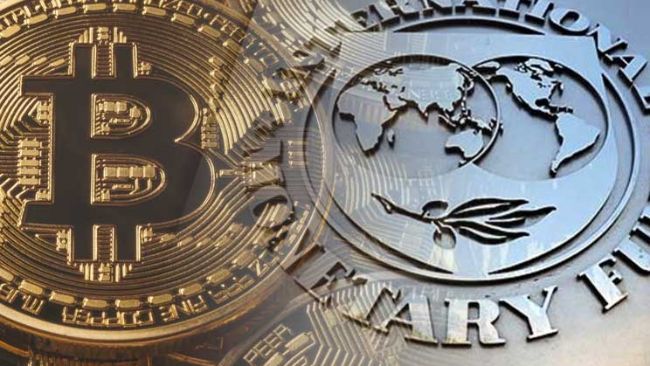
The International Monetary Fund (IMF) has been closely monitoring the increasing adoption of cryptocurrencies by countries around the world. While many nations are exploring digital assets as a way to diversify their economies, the IMF is emphasizing the importance of cautious regulation due to various risks involved, particularly concerning energy consumption and legal frameworks.
Pakistan recently made headlines with its official announcement of a strategic Bitcoin reserve at the Bitcoin Vegas 2025 conference. The country revealed its plans to hold Bitcoin as a long-term investment and integrate digital assets into its economy. Pakistan’s government is also looking into utilizing excess electricity for Bitcoin mining, aiming to convert idle energy into economic value. The Pakistan Digital Asset Authority (PDAA) regulates crypto businesses, and the newly established National Crypto Council is responsible for monitoring the digital asset sector. Notably, Binance founder Changpeng Zhao has joined this council as an advisor to help shape crypto regulations and blockchain infrastructure development.
Despite the progress made by Pakistan in the cryptocurrency space, the IMF has expressed concerns about the country’s approach. There are ongoing energy shortages in Pakistan, and the IMF is questioning whether Bitcoin mining will exacerbate these issues. The Fund has requested explanations from Pakistan’s Finance Ministry regarding the control of electricity consumption by miners and data centers.
In a recent development, IMF economists Shafik Hebous and Nate Vernon-Lin have proposed increased energy taxes to reduce carbon emissions from crypto mining and AI data centers. The paper suggests an 85% electricity price hike for crypto miners globally, which could generate $5.2 billion annually and significantly reduce carbon emissions. The IMF highlights the growing electricity demand from crypto mining and data centers, emphasizing the need for targeted electricity taxes to promote energy-efficient practices.
El Salvador’s Bitcoin policy has also been a focal point for the IMF, as the country became the first to adopt Bitcoin as legal tender. Despite signing an agreement with the IMF to limit Bitcoin purchases, El Salvador has continued to acquire more BTC against the Fund’s advice. The IMF has set conditions for El Salvador, including limiting Bitcoin accumulation and ceasing public access to the Chivo Bitcoin wallet.
The IMF recently updated its global balance of payments framework to include cryptocurrencies officially. The new guidelines classify digital assets into fungible and non-fungible tokens, defining their recording in international financial accounts. Bitcoin and similar cryptocurrencies are treated as non-produced, non-financial capital assets, while stablecoins are categorized as financial instruments.
The IMF’s cautious approach to cryptocurrency is evident in its emphasis on regulatory clarity, environmental impact management, and targeted energy taxes for crypto miners and data centers. The Fund’s updated classification of cryptocurrencies reflects the growing importance of digital assets in the global economy while highlighting the need for transparency and fiscal discipline. As countries like Pakistan and El Salvador push forward with Bitcoin adoption, the IMF’s conditions and warnings underscore the challenges of balancing innovation, energy consumption, and financial stability in the crypto space.