
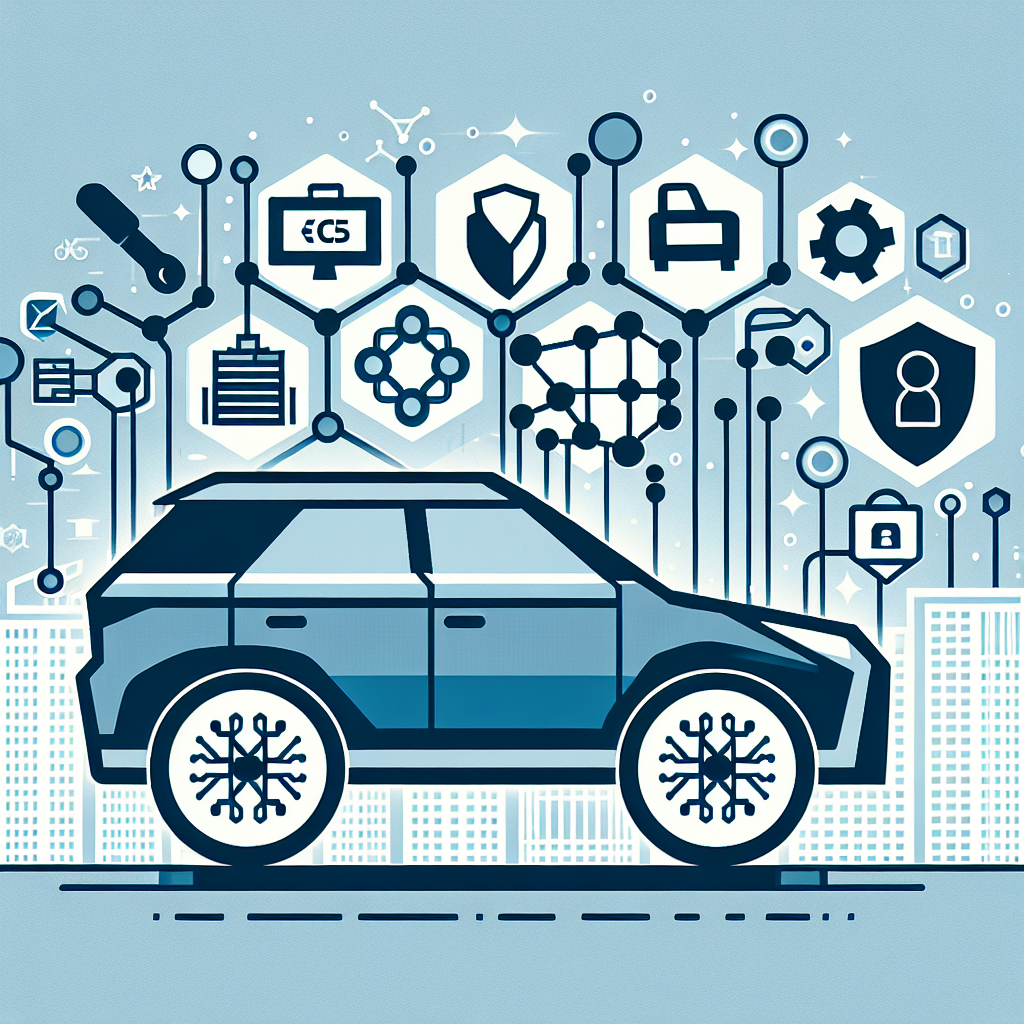
Toyota is revolutionizing the automotive industry by introducing blockchain-based assets for vehicles. By tokenizing cars and fleets, Toyota aims to transform how mobility is owned, financed, and insured on a global scale.
This groundbreaking initiative signifies a shift towards digital infrastructure for managing vehicle data and ownership within the industry. Unlike speculative crypto models, Toyota’s focus is on service-driven use cases that enhance the overall mobility experience.
Key Takeaways:
1. Toyota’s Mobility Orchestration Network (MON) transforms vehicles into real-world digital assets.
2. Cars can be represented as NFTs or tokens, making them tradeable, investable, and programmable.
3. Blockchain technology facilitates secure data sharing, benefiting insurance, finance, and electric vehicle services.
4. Toyota is collaborating with Avalanche and exploring Ethereum for blockchain experiments.
5. Key challenges include privacy, regulation, cybersecurity, liquidity, and adoption.
What Is Vehicle Tokenization?
Vehicle tokenization involves digitally representing a car on a blockchain. This digital token can store registration, service history, and performance data, enabling transferability, financeability, and utilization in connected services. Toyota’s Mobility Oriented Account (MOA) manages this data through separate channels to safeguard sensitive information while ensuring verifiability.
Toyota’s Blockchain Strategy:
Central to Toyota’s blockchain strategy is the Mobility Orchestration Network (MON), which consolidates fragmented vehicle data to establish trust in mobility transactions. MON creates a portable digital identity for cars, simplifying valuation, trading, and financing processes. The platform connects existing systems through a shared protocol while respecting local infrastructure.
Real-World Applications:
Tokenized vehicles have the potential to revolutionize car ownership, rental, and financing models. Instant transfer of usage rights or ownership via blockchain can streamline transactions. Fleet operators can bundle vehicles into digital investment products, enhancing asset securitization.
Toyota’s Blockchain Experiments:
Toyota Blockchain Lab is leveraging Avalanche for real-time data processing in smart mobility applications. Additionally, experiments with Ethereum’s ERC-4337 and account abstraction features enable programmable smart accounts and NFT-based vehicle rights. This paves the way for advanced use cases such as autonomous vehicles managing rentals and payments autonomously.
Key Challenges:
Addressing privacy concerns while ensuring data governance and transparency is crucial. Regulatory disparities across regions pose challenges, requiring alignment for seamless operations. Establishing liquidity for vehicle tokens and ensuring cybersecurity are critical for building public trust. Adoption of blockchain frameworks will require collaboration among regulators, insurers, and automakers.
Conclusion:
Toyota’s innovative blockchain strategy signifies a paradigm shift in the automotive landscape. By treating vehicles as programmable digital assets, Toyota is laying the groundwork for more flexible, efficient, and transparent mobility systems. If successful, this transformation could redefine how vehicles interact with finance, insurance, and public infrastructure, ushering in a new era of smart mobility services across global digital networks. Toyota’s exploration of blockchain to tokenize cars is poised to revolutionize the automotive industry.