
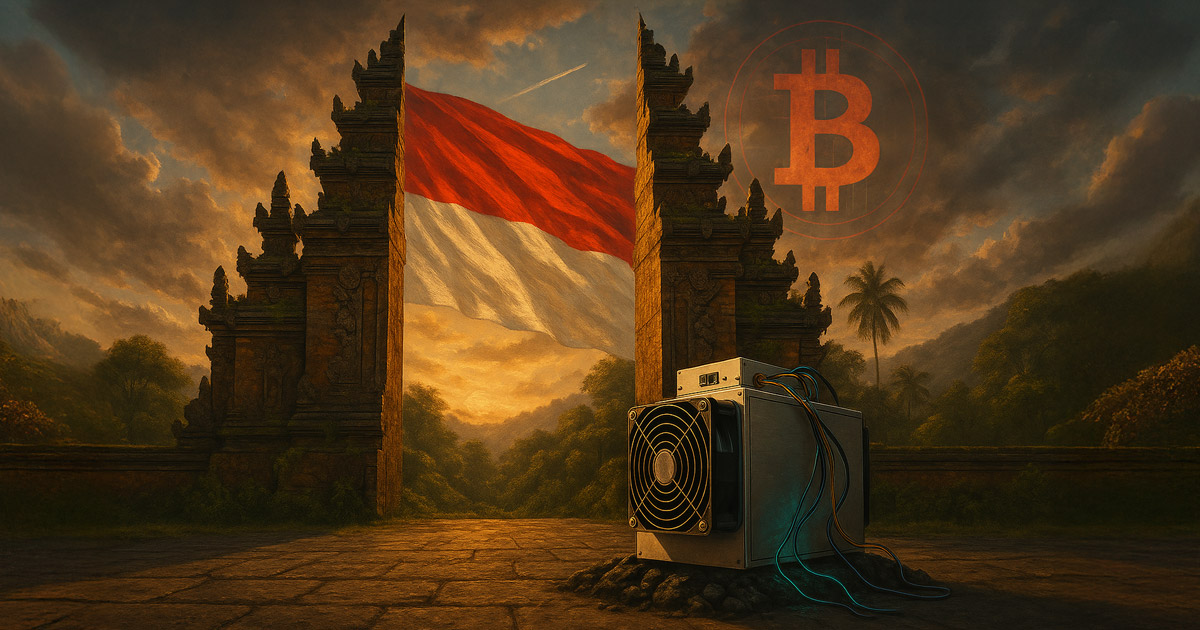
Indonesia Explores Bitcoin Integration into National Reserves
Indonesia is delving into discussions regarding the integration of Bitcoin (BTC) into its national reserves after a significant meeting between the Vice President’s office and Bitcoin Indonesia, the largest BTC community in Asia.
This meeting signifies a crucial moment in Indonesia’s evolving stance on digital assets, as officials explore the potential role of Bitcoin in bolstering long-term economic resilience.
During the meeting, various ideas were exchanged, including the possibility of utilizing Bitcoin mining as a reserve strategy and the advantages of holding BTC as a safeguard against inflation and global monetary instability.
Bitcoin Indonesia played a crucial role in facilitating the dialogue by presenting macroeconomic trends, such as shifting global reserve strategies, inflation risks, and the increasing adoption of cryptocurrencies by sovereign nations.
Officials displayed interest in deepening their understanding of the asset class, with some expressing curiosity about projections that link Bitcoin’s value trajectory to Indonesia’s 100th independence anniversary in 2045.
At present, Indonesia’s reserve portfolio predominantly comprises gold, U.S. dollars, and sovereign bonds. The potential inclusion of Bitcoin would signify a strategic expansion into digital assets, following the footsteps of countries like El Salvador and Bhutan, which have integrated Bitcoin through state-led purchases and mining operations.
The meeting coincides with other nations accelerating their Bitcoin strategies, particularly after the U.S. established its Strategic Bitcoin Reserve earlier this year, holding close to 200,000 BTC confiscated over the years.
Furthermore, states like Texas are progressing with plans to establish their own BTC reserves independent of the federal government. El Salvador leads the way with over 6,000 BTC in reserves, while Bhutan has amassed one of the largest sovereign Bitcoin positions globally through mining.
Kazakhstan is exploring investment opportunities involving Bitcoin ETFs and blockchain companies, whereas neighboring Pakistan aims to channel excess energy towards Bitcoin mining and adopt it as a reserve asset.
These developments have prompted Indonesian officials to reassess their reserve composition and contemplate whether digital assets present advantages in an evolving global economy.
Presenters have proposed that a gradual adoption approach, involving limited holdings or mining, could complement existing frameworks without disrupting traditional reserve structures.
As Indonesia ponders the integration of Bitcoin into its national reserves, the global landscape of digital assets continues to evolve, shaping the future of financial strategies and economic resilience.