
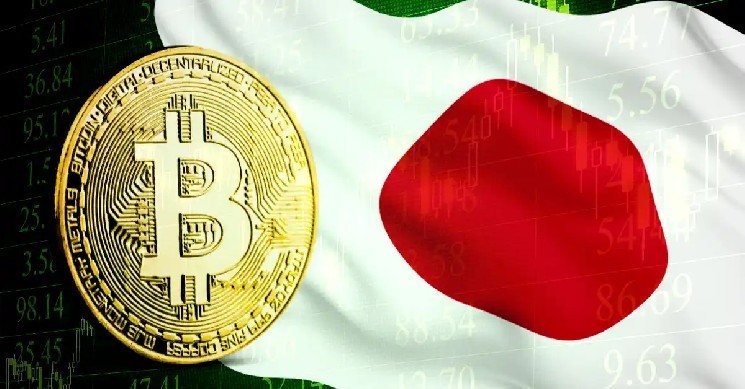
Japan is making bold moves in the world of cryptocurrency, with plans to reclassify digital assets as financial products under new regulatory rules. This shift could have significant implications for everything from taxes to the approval of Bitcoin Exchange-Traded Funds (ETFs).
On June 24, the Financial Services Agency (FSA) in Japan released a pivotal document titled “Considerations regarding the structure of the system surrounding crypto assets.” This document outlines the establishment of a new working group tasked with exploring major regulatory reforms in the crypto space. These proposed changes will be further discussed at a Financial Services Council meeting scheduled for June 25.
The potential reclassification of crypto assets under the Financial Instruments and Exchange Act (FIEA) is a game-changer. Currently regulated under the Payment Services Act, this new classification would officially recognize digital assets as financial products, aligning them more closely with how traditional stocks are treated.
One of the most significant outcomes of this regulatory shift is the potential for lower taxes on crypto investments. The current tax rate of up to 55% could be reduced to a flat self-assessment tax of around 20%, bringing crypto in line with the taxation of stocks. This tax break could make Japan a more attractive destination for both individual and institutional investors who have been deterred by the high tax burden.
In addition to tax implications, Japan’s reclassification of crypto could also pave the way for the approval of Bitcoin ETFs. By treating crypto as a financial product, Japan may lift its ban on these investment vehicles, aligning the country with global trends and potentially attracting new capital to the market.
These regulatory changes are not happening in isolation. They are part of Japan’s broader strategy to leverage innovation and digital assets to drive economic growth. The government’s “Grand Design and Action Plan for New Capitalism (2025)” emphasizes the importance of crypto, NFTs, and other Web3 technologies in boosting productivity and unlocking value across the country. By embracing these digital assets, Japan aims to support businesses, create investment opportunities, and enhance its competitiveness on the global stage.
Interestingly, Japan’s newfound enthusiasm for crypto may be influenced by similar trends in the United States, where support for digital assets has been growing. This shift in Japan’s approach to regulation signals a move from caution to integration, positioning the country to re-enter the global crypto race in a significant way.
As Japan navigates these regulatory changes, it is clear that the country’s stance on crypto is evolving, with the potential to impact investors, institutions, and the broader crypto market. Stay tuned as Japan solidifies its position in the world of digital assets.