
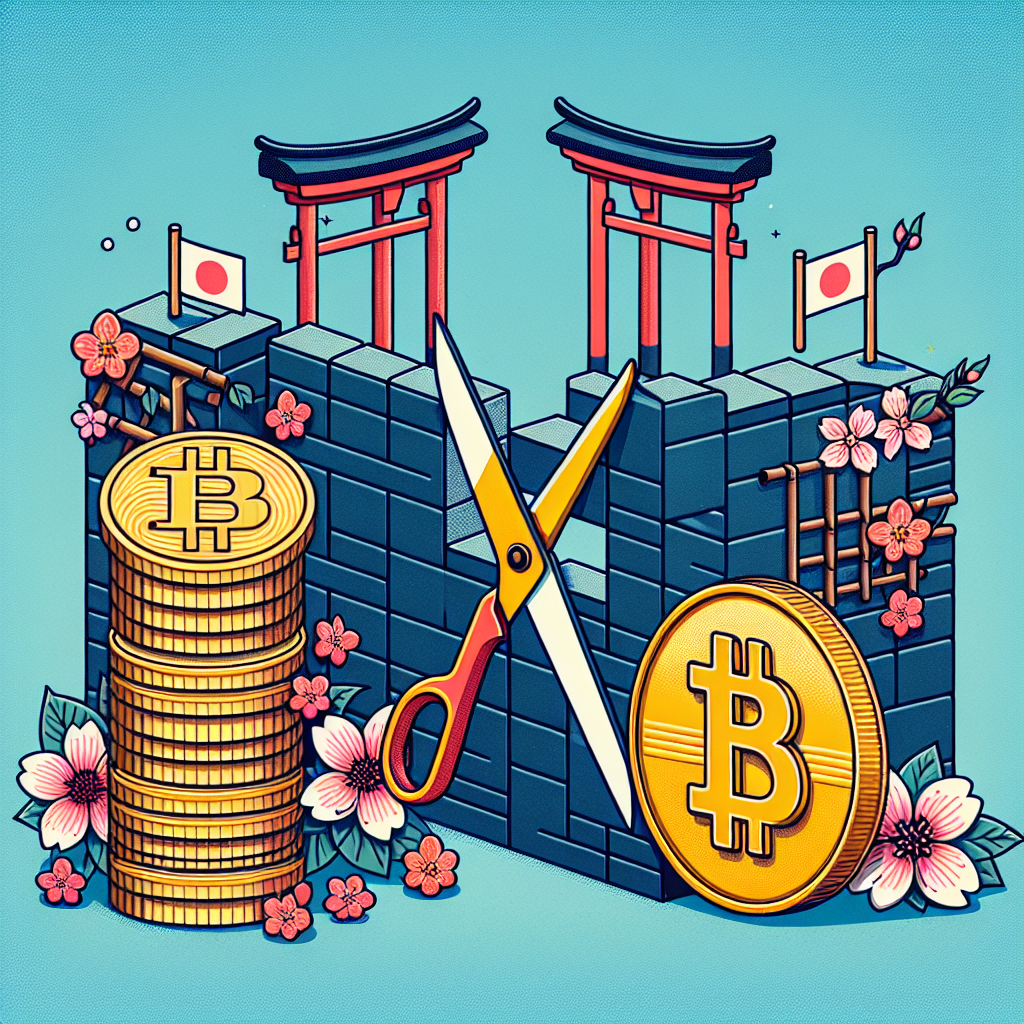
Japan’s Financial Services Agency recently proposed a significant change in the way cryptocurrencies are classified in the country. This proposed reclassification would introduce a flat 20% tax on digital asset income and potentially pave the way for the introduction of crypto exchange-traded funds (ETFs).
For years, Japan’s tax system has imposed high levies on crypto gains, with rates reaching up to 55%. This high tax rate has deterred many investors from engaging in the crypto market. However, the proposed 20% tax could make investing in cryptocurrencies more attractive for individuals and institutions alike.
Despite the potential benefits of the proposed tax reform, the approval of Bitcoin ETFs in Japan faces another hurdle. Prime Minister Shigeru Ishiba has expressed skepticism about promoting digital assets through ETFs, questioning the government’s role in endorsing non-traditional investments. This cautious approach reflects Japan’s deep-rooted culture of compliance and risk aversion, which has historically hindered innovation in the crypto space.
While Japan was once a pioneer in recognizing cryptocurrencies as a legitimate form of payment and establishing robust regulatory frameworks, the country’s bureaucratic processes have stifled innovation. Startups looking to offer virtual asset services face stringent requirements, including substantial capital investment, extensive documentation, and compliance with local regulations.
To foster a more innovation-friendly environment, Japan must overhaul its regulatory approach. This could involve transitioning from a pre-approval model to a post-launch audit system for token listings, launching dynamic sandboxes for privacy-safe verification, and providing state capital injection to support Web3 startups. Additionally, involving tech founders in regulatory decision-making processes could help regulators better understand industry challenges and shape policies that support innovation.
As global crypto adoption continues to rise, Japan risks falling behind if it fails to adapt to the changing landscape. By embracing a more progressive and collaborative approach to regulation, Japan can position itself as a leader in the crypto space and attract investment and talent from around the world. The time for change is now, and Japan must seize the opportunity to drive innovation and growth in the digital asset ecosystem.