
The Senate Reconvenes: Crypto Legislation Faces Challenges in 2025
As the Senate reconvenes after the August recess, a consensus is emerging in Washington’s crypto debate that draft legislation for market structure needs improvements. Senator Elizabeth Warren (D-MA), Ranking Member of the Senate Banking Committee, and the cryptocurrency industry both agree that the initial draft of the Responsible Financial Innovation Act (RFIA) of 2025 released by Senator Tim Scott (R-SC) and other Republican senators requires revisions.
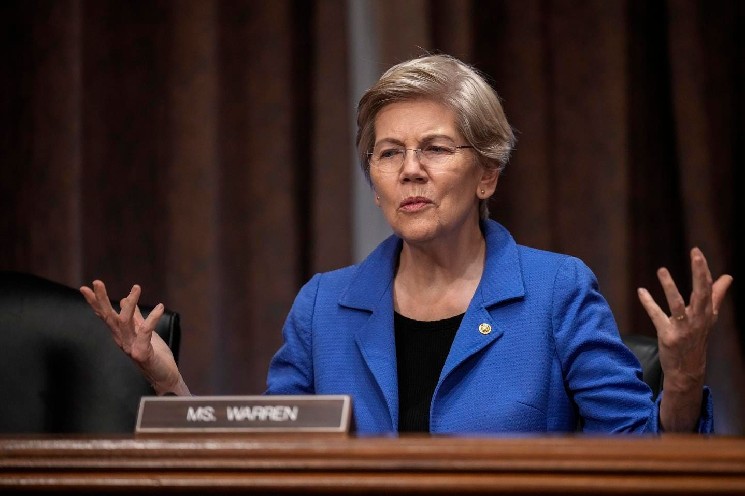
Warren, despite the end of the Biden Administration’s anti-crypto stance, still holds influence among Democrats and has raised concerns about the RFIA. Democratic staffers under Warren issued a fact sheet criticizing the bill, citing threats to Americans’ retirement savings, risks of financial instability, and inadequate measures against illicit finance and corruption. On the other hand, Scott remains optimistic about the bill’s prospects, claiming support from a significant number of Senate Democrats.
In a surprising turn of events, the DeFi Education Fund, along with major players in the crypto industry, expressed opposition to the RFIA. They demand robust protections for software developers and non-custodial service providers in the legislation to safeguard innovation and prevent regulatory uncertainties that could hinder the U.S.’s competitiveness in the global blockchain space.
The Industry’s Demand for Developer Protections
The DeFi Education Fund’s letter to Senate leaders emphasized the need for nationwide protections to shield software developers and service providers from being regulated as money transmitters. They argue that the current draft of the RFIA does not go far enough to support open-source development and could deter innovation due to regulatory ambiguity. The industry’s stance underscores the importance of ensuring a conducive environment for blockchain innovation in the U.S.
Warren’s Concerns and Democratic Opposition
Senator Warren’s staff highlighted major flaws in the RFIA, including concerns about SEC oversight, financial stability, illicit finance risks, conflicts of interest, and investor protections. The Democratic critique underscores the need for comprehensive measures to address the multifaceted challenges posed by crypto regulation and market structure.
The CLARITY Act: A House Blueprint for Crypto Legislation
On the House side, the passage of the Digital Asset Market Clarity Act (CLARITY Act) with bipartisan support sets a roadmap for comprehensive crypto legislation. The bill includes protections for non-custodial developers and users’ rights, reflecting a nuanced approach to regulating decentralized networks. The inclusion of complementary bills such as the Blockchain Regulatory Certainty Act and the Keep Your Coins Act demonstrates a collaborative effort to foster blockchain innovation while ensuring regulatory clarity.
While the industry welcomes the passage of the CLARITY Act, there is a call for additional clarifications and federal-level protections to avoid a fragmented regulatory landscape across states. The DeFi Education Fund acknowledges the progress made in the House but remains committed to advocating for further improvements in the Senate.
Looking Ahead: Challenges and Opportunities in 2025
As the debate over crypto legislation unfolds in the Senate, the industry’s influence and Warren’s opposition pose challenges for advancing market structure reforms. The fate of the RFIA and the broader regulatory framework for cryptocurrencies will shape the landscape of blockchain innovation in the U.S. Scott’s ability to navigate these challenges and reconcile divergent perspectives will be crucial in determining the trajectory of crypto legislation in 2025.