
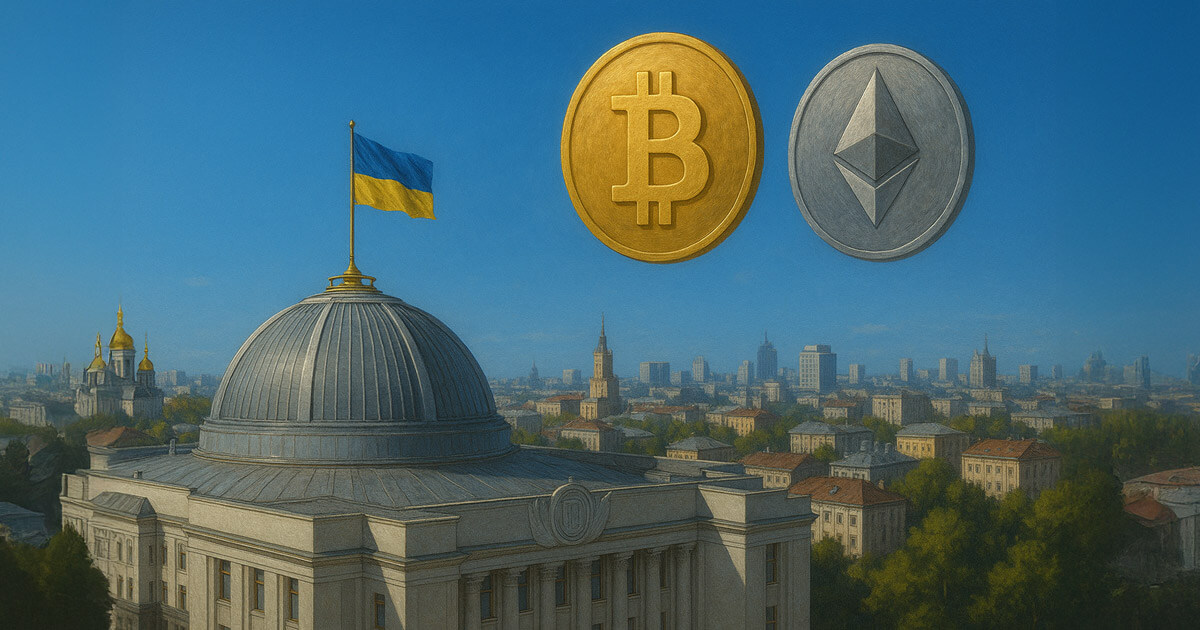
Ukraine’s central bank is making strides towards crypto legalization, while maintaining its stance that virtual assets will not be considered legal tender. National Bank of Ukraine (NBU) Governor Andriy Pyshnyy recently stated that “virtual assets cannot be a means of payment in Ukraine,” emphasizing the importance of safeguarding monetary policy and preventing illicit transactions.
The central bank has also increased its scrutiny of unlicensed crypto exchange operations, highlighting the risks they pose to the banking and payment systems. This cautious approach is influenced by Ukraine’s experience during times of conflict, where various organizations turned to cryptocurrencies for rapid and cross-border donations.
During the early months of the Russian invasion, Ukraine received over $70 million in crypto donations, primarily in Bitcoin, Ethereum, and stablecoins. These funds were used to purchase essential supplies and support defense-related needs, showcasing the efficiency and flexibility of blockchain transfers in crisis situations.
To address the growing need for a legal framework around crypto assets, Ukraine passed the Virtual Assets law in 2022. This law laid the foundation for licensing, oversight, and taxation of crypto-related businesses. However, enforcement was delayed as lawmakers worked on amending the tax code and designating appropriate regulators.
While the initial timeline aimed to pass implementing legislation by the first quarter of 2025, recent developments have pushed back this deadline. A new draft of the virtual assets law is now expected by October 2025, with a focus on aligning with international regulatory expectations from organizations like the IMF and EU.
In a separate development, lawmakers introduced Draft Law No. 13356 in June, which would give the NBU the option to hold cryptocurrencies like Bitcoin in national reserves alongside traditional assets. This proposal offers flexibility in reserve management, although concerns have been raised regarding the volatility of digital assets and their impact on reserve stability.
The NBU’s commitment to legalization, within a controlled framework that upholds the hryvnia’s status as the sole legal tender, remains steadfast. Regulatory agencies are actively preparing for implementation by monitoring unlicensed market activity and collaborating with international partners.
This ongoing process is aimed at harnessing the benefits of digital assets, as demonstrated during times of crisis, while ensuring they are integrated into a structure that protects monetary sovereignty and financial stability. Ukraine’s journey towards crypto legalization reflects a balance between innovation and regulatory caution in the evolving landscape of virtual assets.