
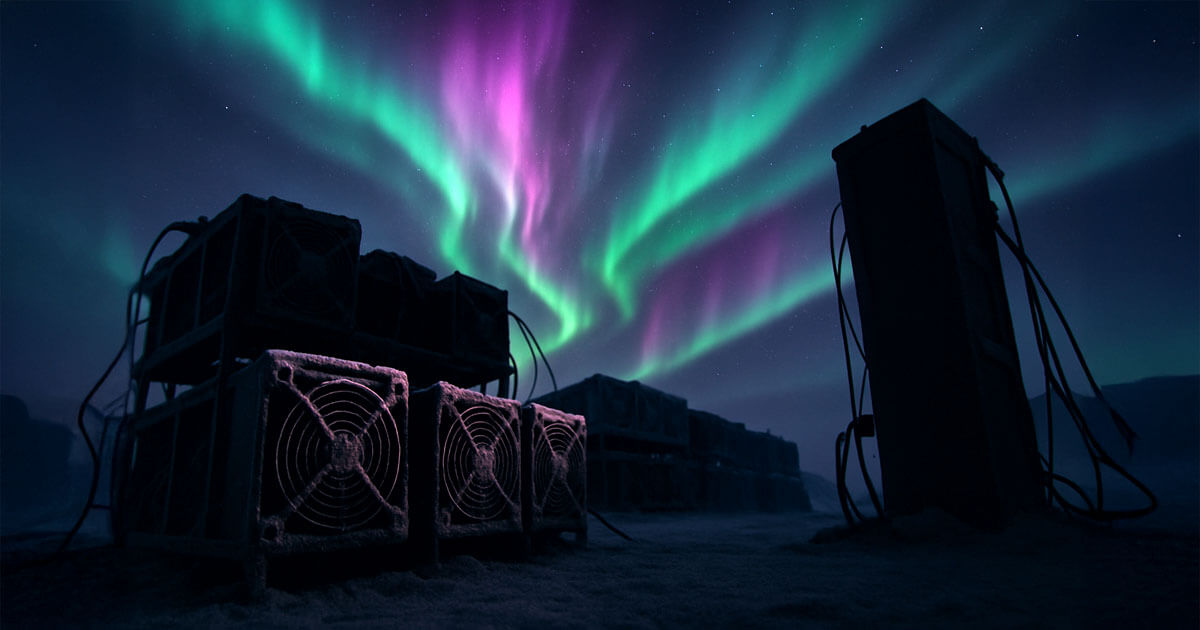
Norway is making headlines with its reported plans to implement a temporary ban on the development of new data centers connected to cryptocurrency mining. This decision, as reported by Reuters on June 20, is driven by concerns over the environmental impact and energy consumption associated with such operations.
The Norwegian government aims to introduce these restrictions by the end of the year in a bid to conserve electricity for more essential purposes. Karianne Tung, Norway’s Minister for Digitalization and Public Administration, emphasized the need to reduce crypto mining activities, citing their minimal economic benefits in terms of job creation and tax revenues compared to the significant energy consumption involved.
This stance sets Norway apart from other countries that have embraced Bitcoin mining as a means to leverage surplus energy resources and bolster their economies. For instance, nations like El Salvador, Belarus, and Pakistan have implemented state-backed mining programs to support local economies, stabilize energy grids, and reduce electricity costs for residents.
Despite the government’s cautious approach to cryptocurrency mining, Norwegian companies are actively engaging with Bitcoin. Aker ASA, a prominent industrial holding company, currently holds 754 BTC worth over $80 million, making it the country’s largest corporate holder of the digital asset. Additionally, crypto-focused firm K33 has been steadily increasing its Bitcoin holdings, with plans to expand its reserves to 1,000 BTC.
The Norwegian Block Exchange is also making moves in the crypto space, recently acquiring 6 BTC and aiming to grow its holdings to 10 BTC by the end of June. These developments signal a growing interest in Bitcoin as a treasury asset among Norwegian businesses, despite regulatory challenges.
This trend mirrors the global shift towards incorporating Bitcoin into the mainstream financial system, highlighting the increasing relevance of cryptocurrencies in the modern economy. As Norway navigates the complexities of balancing environmental concerns with economic opportunities in the crypto sector, the country’s approach to cryptocurrency mining will continue to shape its role in the evolving digital landscape.