
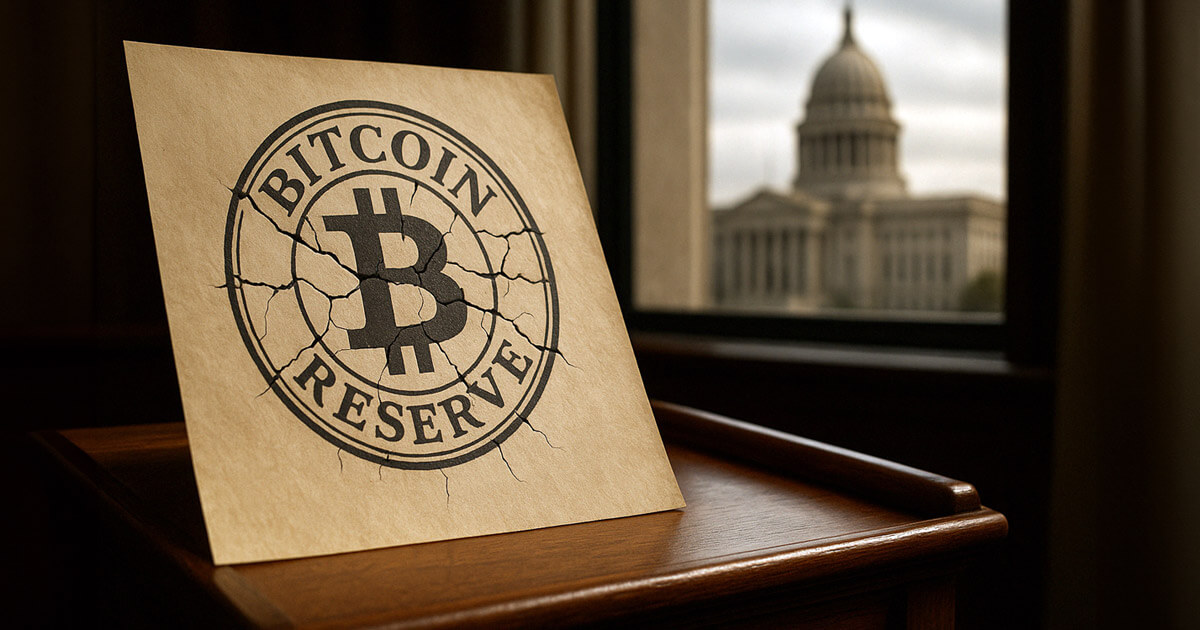
Oklahoma’s decision to back out of establishing a Strategic Bitcoin Reserve (SBR) has made waves in the cryptocurrency world. The State Senate recently voted against House Bill 1203, also known as the Strategic Bitcoin Reserve Act, effectively putting an end to the state’s plans to allocate public funds to Bitcoin and select stablecoins.
The bill’s failure was a surprising turn of events, especially considering it had initially passed in the House of Representatives with a significant majority. However, despite the setback, Oklahoma is not alone in its exploration of Bitcoin reserves. States like Montana, South Dakota, Wyoming, North Dakota, and Pennsylvania have also faced challenges in implementing similar initiatives.
On the bright side, the momentum for Bitcoin reserves continues to grow in other parts of the country. States like Arizona, New Hampshire, and Texas are leading the charge in incorporating the top cryptocurrency into public finance. In fact, there are currently 117 pro-Bitcoin bills under consideration across 26 states, with 47 directly linked to Strategic Bitcoin Reserve initiatives.
Moreover, discussions about Bitcoin reserves are not limited to the state level. The federal government is also exploring funding options for its own Bitcoin reserve. Bo Hines, Executive Director of the Presidential Council of Advisers on Digital Assets, has revealed that various strategies, such as using tariff revenue and revaluing gold-backed Treasury certificates, are being considered to support a Bitcoin reserve without increasing the national budget.
Overall, while Oklahoma may have opted out of the race for a Strategic Bitcoin Reserve, the broader trend towards incorporating Bitcoin into public finance shows no signs of slowing down. As more states and even the federal government explore the potential of Bitcoin reserves, the cryptocurrency’s role in traditional financial systems is likely to continue evolving.