
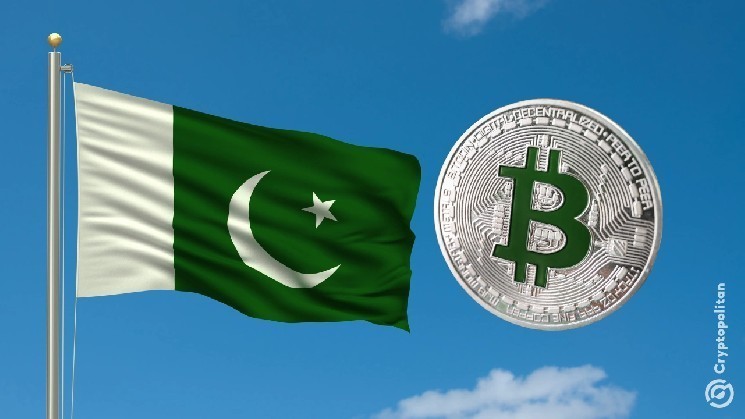
The State Bank of Pakistan has recently clarified its stance on digital assets, emphasizing that it has never officially declared ownership and trading of these assets as illegal. In a press release issued by the central bank, it was highlighted that the earlier warnings regarding digital assets were more of a precautionary measure rather than a complete ban.
The advisory issued by the State Bank of Pakistan directed various financial institutions to refrain from dealing in virtual assets, including banks, micro-finance institutions, development finance institutions (DFIs), and electronic money institutions (EMIs). However, the central bank has now clarified that the directive was aimed at protecting the financial institutions and their customers from potential risks associated with digital assets.
The recent update from the State Bank of Pakistan comes after a briefing to the National Assembly’s Standing Committee on Finance, where concerns were raised about the legality of trading and holding digital assets in the country. While the SBP reiterated that the directive issued in 2018 remains in force, efforts are being made to establish a formal regulatory framework to provide clarity on the legal status of digital assets in Pakistan.
During the committee meeting, attendees expressed skepticism about the SBP’s clarification on digital assets. Finance Secretary Imdad Ullah Bosal maintained that digital assets were still considered illegal in Pakistan, citing ongoing investigations by authorities such as the Financial Monitoring Unit (FMU) and the Federal Investigation Agency (FIA).
The establishment of the Pakistan Crypto Council (PCC) under the directive of Prime Minister Shehbaz Sharif via executive orders raised questions about the lack of consultation with parliament or the SBP. The PCC is tasked with advising on a legal and procedural path forward for the crypto industry in Pakistan.
Despite the ongoing debates and uncertainties surrounding the regulatory framework for digital assets, Pakistan has emerged as one of the top countries in terms of crypto adoption. With over 20 million active users and approximately $20 billion in crypto transactions, the country has significant potential for crypto innovation. Additionally, Pakistan receives about $35 billion in annual remittances, highlighting the potential for blockchain-based financial solutions in the country.
Moving forward, the Standing Committee on Finance plans to summon representatives from the SBP, Securities and Exchange Commission of Pakistan (SECP), and members of the Pakistan Crypto Council to gain further clarity on the legal and economic implications of digital asset adoption.
As Pakistan navigates the evolving landscape of digital assets, establishing a comprehensive regulatory framework will be crucial to ensure investor protection and consumer safeguards while fostering innovation in the crypto industry. Stay tuned for more updates on the legal status of digital assets in Pakistan.