
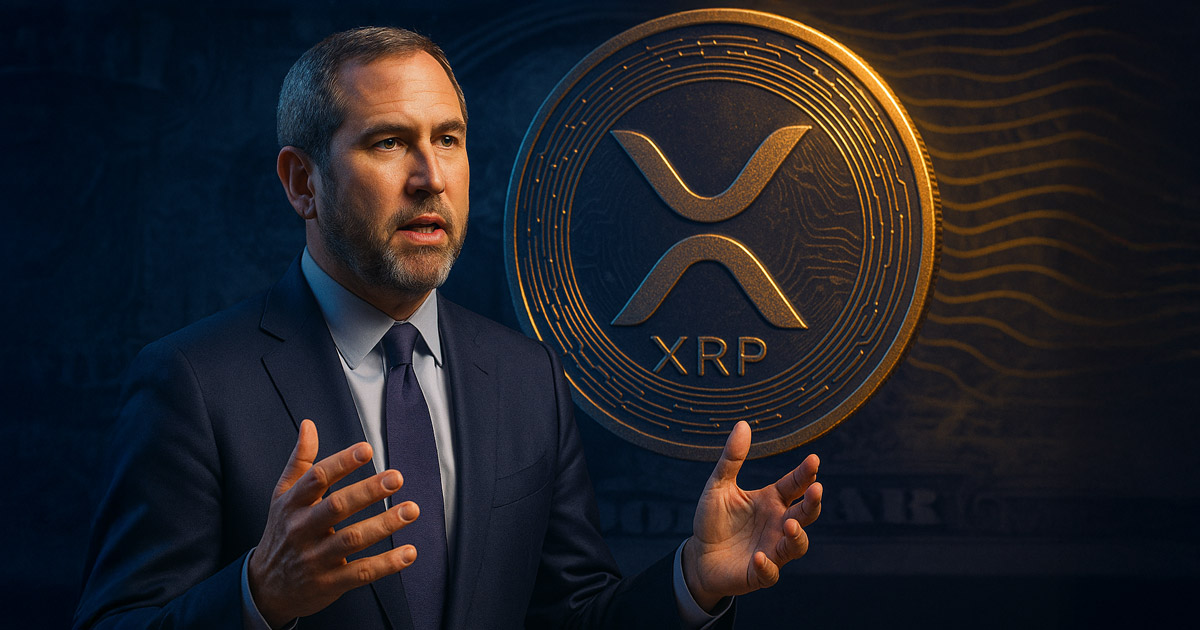
Ripple CEO Brad Garlinghouse has recently addressed concerns surrounding the private investment platform Linqto, which has been caught in a regulatory storm. Linqto offers access to Ripple’s equity through secondary markets, but Garlinghouse clarified that Ripple has never had a formal relationship with Linqto and did not authorize any direct equity sales to the platform.
In a post on X, Garlinghouse stated that Linqto owns 4.7 million shares of Ripple, which were purchased solely on the secondary market from other Ripple shareholders. He also mentioned that Ripple halted approving Linqto-related secondary transactions in late 2024 due to concerns about the platform’s practices. Ripple CTO David Schwartz further explained that Linqto customers do not hold Ripple shares directly but own a portion of a legal entity, a special-purpose vehicle (SPV), that holds Ripple equity.
The controversy surrounding Linqto arises as the Securities and Exchange Commission (SEC) and the US Department of Justice (DOJ) investigate the platform for potential securities law violations. Former Linqto CEO William Sarris is under scrutiny for allegedly inflating Ripple share prices by over 60% and selling them without proper authorization. The investigation also focuses on the sale of shares to non-accredited investors, raising concerns about compliance with SEC regulations.
Pro-crypto attorney John Deaton warned that approximately 11,500 Linqto users had bought SPV units, mistakenly assuming they were purchasing actual Ripple shares. Of those, around 5,000 are non-accredited investors, adding complexity to the regulatory challenges faced by Linqto. The new management of the company, which took over after a series of missteps, acknowledged the severity of the situation. They disclosed that client accounts were frozen in February and hinted at a potential Chapter 11 bankruptcy filing, which could leave investors in a vulnerable position as unsecured creditors.
The unfolding situation with Linqto serves as a cautionary tale for investors in the crypto space, highlighting the importance of conducting due diligence and understanding the intricacies of investment platforms. As the regulatory landscape continues to evolve, staying informed and vigilant is crucial to navigating the complexities of the digital asset market.