
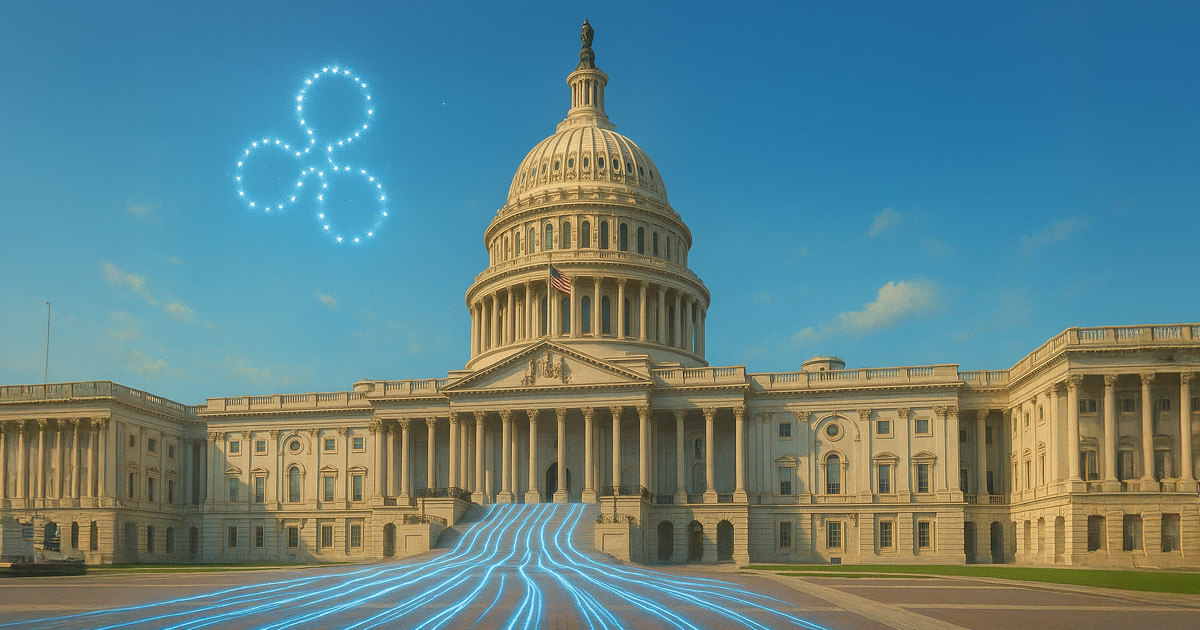
Ripple Labs recently made a plea to the US Senate to reevaluate its proposed cryptocurrency legislation, citing concerns that the current draft could create more confusion than clarity in the industry. The blockchain company submitted its feedback on August 5th, expressing worries about regulatory overreach and ambiguous definitions that could potentially hinder innovation within the digital asset space.
The response from Ripple comes after the Senate requested input on the draft of the Responsible Financial Innovation Act of 2025, which was unveiled on July 22nd. The bill aims to modernize crypto oversight by expanding regulatory tools, enhancing consumer protections, and establishing clearer classification rules for digital assets.
One of the key issues highlighted by Ripple is the bill’s treatment of “ancillary assets,” a term that lacks specificity and could potentially bring many digital tokens under the jurisdiction of the Securities and Exchange Commission (SEC). The company fears that this broad interpretation could lead to future SEC administrations enforcing regulations that could impede the growth of the cryptocurrency sector.
Ripple specifically pointed out that assets linked to previous investment contracts should not be subject to perpetual SEC oversight. The company argued that the SEC’s authority should be restricted to the specific transaction in question, rather than extending to all future trades involving the asset.
In response to these concerns, Ripple proposed implementing a fixed timeframe for SEC jurisdiction over tokens initially sold as part of an investment contract. The company also called on Congress to clarify the application of the Howey Test, a standard used to determine whether an asset qualifies as a security, to ensure consistent and objective application.
Additionally, Ripple urged lawmakers to provide clear guidelines on which blockchain activities – such as staking, mining, and governance – should be regulated as securities. The company emphasized that uncertainty surrounding these activities could deter innovation and hinder the widespread adoption of blockchain technologies.
Ripple also expressed support for a provision in the bill that aims to protect tokens that have been actively traded for at least five years. The company believes that this provision could offer protection from retroactive enforcement, providing more predictability and stability for established digital assets and fostering confidence within the industry.
Overall, Ripple’s feedback underscores the importance of legal clarity and regulatory consistency in the cryptocurrency space to foster innovation and ensure the continued growth of the industry.