
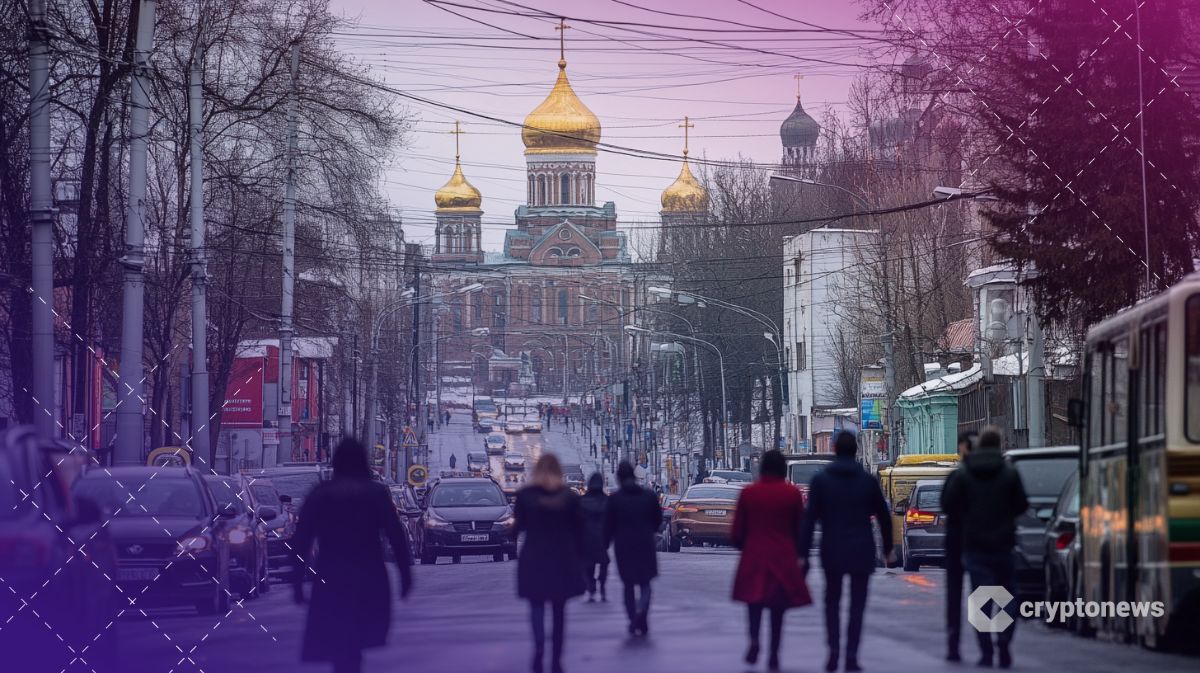
Sberbank, Russia’s largest state-owned lender, has made a significant announcement regarding its plans to offer cryptocurrency custody services. This move comes as a response to the growing acceptance of digital assets within the country, as government institutions reevaluate their stance on cryptocurrencies.
Anatoly Pronin, executive director of Sberbank’s alternative payment solutions division, has disclosed that proposals have been submitted to the central bank outlining how crypto custody services could be integrated into existing financial structures. If approved, these services would treat digital assets similarly to traditional bank-held funds, offering user protection and legal control. This would also allow for tokens to be frozen upon request by law enforcement, simplifying transactions and reducing vulnerability to hacks.
The geopolitical landscape has played a significant role in Russia’s evolving stance on digital currencies. Sanctions from Western governments, particularly in response to the conflict in Ukraine, have prompted a shift in policy. Last year, the central bank supported legislation allowing the use of cryptocurrencies in cross-border trade, marking a departure from its previous resistance. This strategic shift is viewed as a means for the Russian economy to navigate international financial restrictions.
The importance of local custody options has been emphasized by Gleb Zemskoy, director of blockchain development at Insight Finance. He highlights the risks associated with relying on international custodians, underscoring the need for Russia to develop its own infrastructure to safeguard digital assets.
With the custody market predominantly dominated by private firms based outside of Russia, local institutions like Sberbank are stepping up to fill the void domestically. Custodians are increasingly recognized as the backbone of the digital economy, with Sberbank aiming not only to protect clients’ tokens but also to integrate crypto asset handling into the broader financial network of the country.
In a related development, Russian lawmakers recently passed a bill mandating the gradual introduction of the digital ruble, with a targeted rollout in September 2026. This legislation underscores the country’s commitment to embracing digital currencies and fostering a regulatory environment conducive to their adoption.
In conclusion, Sberbank’s initiative to offer cryptocurrency custody services reflects a broader shift in Russia’s approach to digital assets. By building internal infrastructure and regulatory frameworks, the country is positioning itself to navigate geopolitical pressures and enhance its financial ecosystem. The integration of crypto custody services into traditional banking structures could pave the way for increased trust and regulatory protection for businesses and consumers engaging in crypto transactions in Russia.