
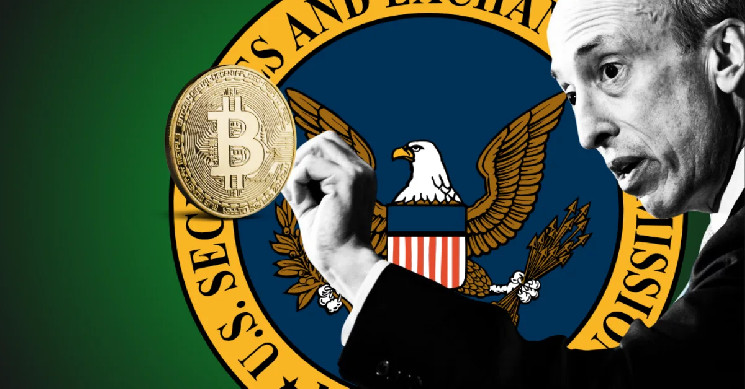
The Securities and Exchange Commission (SEC) is facing potential backlash as it continues its aggressive pursuit of cryptocurrency cases, particularly the ongoing battle with Ripple Labs. With the impending transition of leadership from Gary Gensler to Paul Atkins, concerns are mounting that the agency’s actions could have far-reaching consequences.
The SEC’s lawsuit against Ripple Labs in 2020, alleging that the XRP token is an unregistered security, has been met with resistance from federal judges. Judge Analisa Torres notably ruled that XRP sales on public exchanges do not constitute securities transactions, a decision that the SEC is currently appealing. This legal dispute has brought to light the varying interpretations of securities laws within the judiciary, leading to uncertainty and the potential involvement of the Supreme Court.
Judge Jed Rakoff’s interpretation in a separate case involving Terraform Labs has raised alarms within the crypto industry. Rakoff’s broad view suggests that crypto tokens could be classified as securities regardless of how they are transacted. This expansive approach, if upheld, could have significant implications for various digital assets, including Bitcoin, by extending the SEC’s regulatory reach beyond traditional boundaries.
The lack of clear boundaries and inconsistent judicial opinions have sparked concerns among legal experts and market participants. The SEC’s contentious approach to cryptocurrency regulation, exemplified by its pursuit of cases against companies like Ripple, Coinbase, and others, could ultimately undermine its own authority. By failing to provide clear guidelines and rules for crypto trading, the SEC risks inviting Supreme Court intervention that could restrict its regulatory powers and hinder its ability to effectively oversee the burgeoning digital asset market.
As the SEC continues its appeal in the Ripple case and faces challenges in other crypto-related legal disputes, the agency must tread carefully to avoid unintended consequences. The outcome of these cases could shape the future of crypto regulation and the SEC’s role in overseeing this rapidly evolving industry. With the potential for Supreme Court involvement looming, the SEC must reassess its approach to cryptocurrency enforcement to mitigate the risk of undermining its own authority and regulatory effectiveness.