
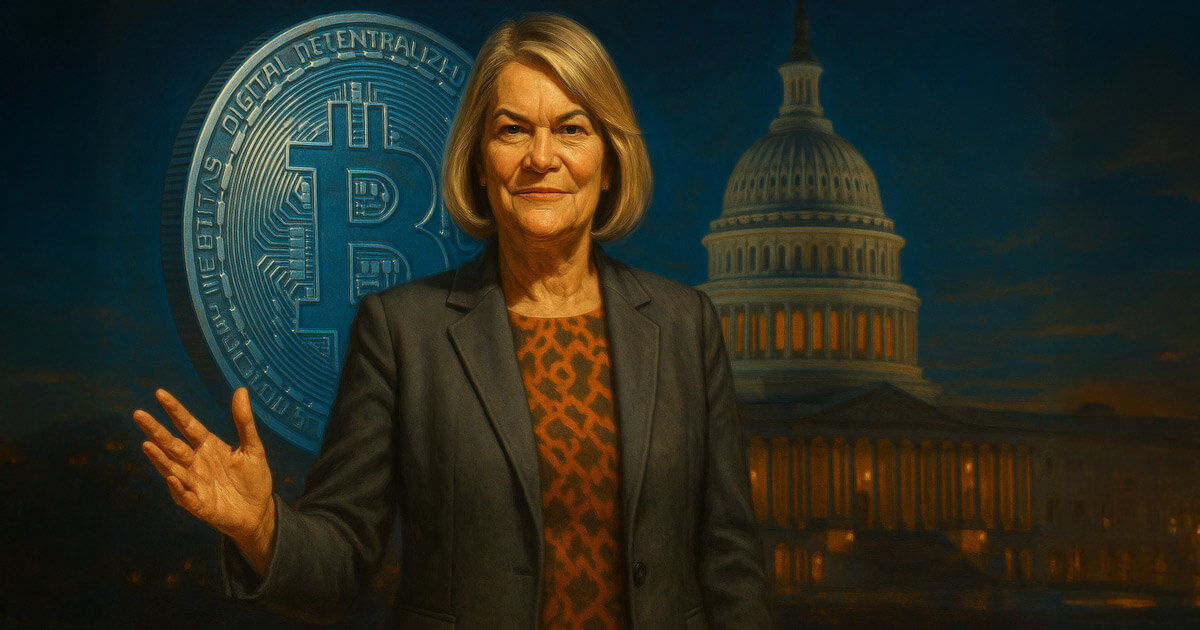
Senator Cynthia Lummis (R‑Wyo.) has recently introduced the groundbreaking 21st Century Mortgage Act, a legislative proposal aimed at modernizing the US underwriting process by incorporating digital assets into the assessment of single-family mortgage eligibility. This legislation would require government-sponsored enterprises Fannie Mae and Freddie Mac to consider assets recorded on cryptographically secured ledgers when evaluating mortgage applications, thereby eliminating the need for borrowers to convert their digital holdings into fiat currency in order to qualify for a loan.
Lummis emphasized that the bill was designed to address the decreasing rate of homeownership among younger Americans, many of whom are increasingly investing and saving in cryptocurrencies. She argued that government agencies must adapt to the needs of a technologically savvy generation rather than stifling innovation. Census data revealed that homeownership among individuals under the age of 35 was at a mere 36.6% in the first quarter, while surveys indicated that 21% of US adults currently hold some form of cryptocurrency, with a significant portion of these individuals being under the age of 45.
The proposed legislation aligns with the ongoing policy changes being implemented by the Federal Housing Finance Agency (FHFA), where Director Bill Pulte has instructed Fannie Mae and Freddie Mac to consider cryptocurrency reserves as eligible assets in the risk assessment of single-family loans. Pulte has also initiated a comprehensive review of how digital asset holdings, including Bitcoin, should be factored into mortgage evaluations. This shift marks a departure from previous practices, where crypto holdings were typically excluded due to their perceived volatility and regulatory uncertainties.
While the recognition of digital assets in mortgage evaluations would not allow borrowers to repay their loans in cryptocurrency, it would enable verified digital asset balances to be included alongside traditional assets in capacity and risk assessments. The move towards incorporating digital assets into the mortgage underwriting process reflects a broader trend among regulators in the United States towards developing more inclusive policies for the rapidly evolving cryptocurrency landscape.
In conclusion, Senator Cynthia Lummis’ 21st Century Mortgage Act represents a significant step towards modernizing the mortgage underwriting process in the United States by recognizing the growing importance of digital assets in the financial landscape. This legislation not only addresses the changing needs of younger generations but also aligns with the broader regulatory shift towards embracing cryptocurrencies as legitimate financial assets.