
A significant turn of events occurred on the House floor this week as a procedural vote for landmark crypto legislation initially failed, only to be revived later with the direct intervention of President Donald Trump. The legislative drama unfolded following a standoff between Republican leadership and a group of conservative holdouts, ultimately requiring a presidential deal to break the deadlock.
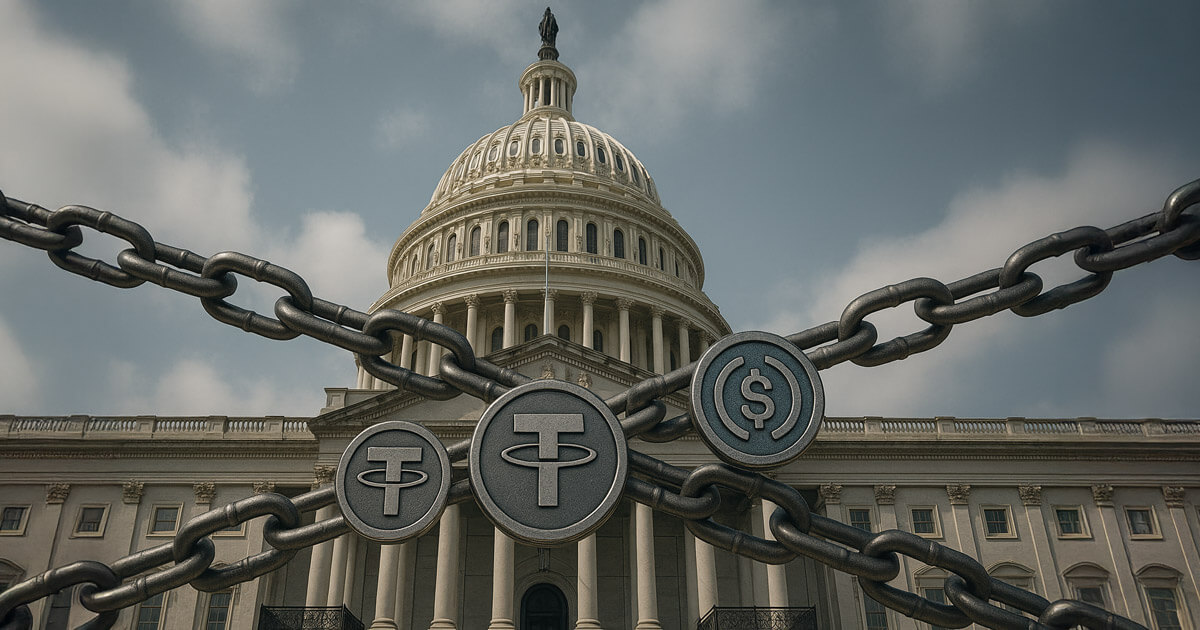
The impasse began when the House failed to pass a rule governing debate for a series of digital asset bills, including the Guiding and Establishing National Innovation for U.S. Stablecoins (GENIUS) Act. Thirteen conservative Republicans joined Democrats in defeating the procedural motion, halting what was supposed to be “Crypto Week” in the House and putting other legislative priorities at risk.
Led by members of the House Freedom Caucus, including Representatives Marjorie Taylor Greene and Chip Roy, the conservative holdouts aimed to combine three crypto bills into a single legislative package. Their concern was that the Senate might not take up the other two bills, particularly the one banning a central bank digital currency, which was a key priority for the caucus.
President Trump intervened by summoning the dissenting members to the White House for a meeting. Following discussions in the Oval Office, Trump negotiated with the holdouts, resulting in a majority agreeing to reverse their position and support the rule. The agreement signaled a shift from the initial demand to package the bills together, with the holdouts likely receiving assurances from Trump regarding their priorities.
It was revealed that President Trump’s family trust owns stakes in various crypto companies, including World Liberty Financial and American Bitcoin, which stand to benefit from the passage of the bills. The holdouts seemingly traded their procedural leverage for a commitment from Trump to advocate for their priorities, particularly regarding the ban on CBDCs.
Speaker Mike Johnson later expressed gratitude to the President for his involvement in advancing the GENIUS Act. With the path now cleared, the House is set to proceed with separate votes on the digital asset bills, with the GENIUS bill scheduled for consideration later today.
The developments underscore the dynamic nature of legislative processes and the role of key stakeholders in shaping policy outcomes. The successful revival of the crypto legislation highlights the significance of presidential intervention in resolving legislative impasses and advancing key priorities.