
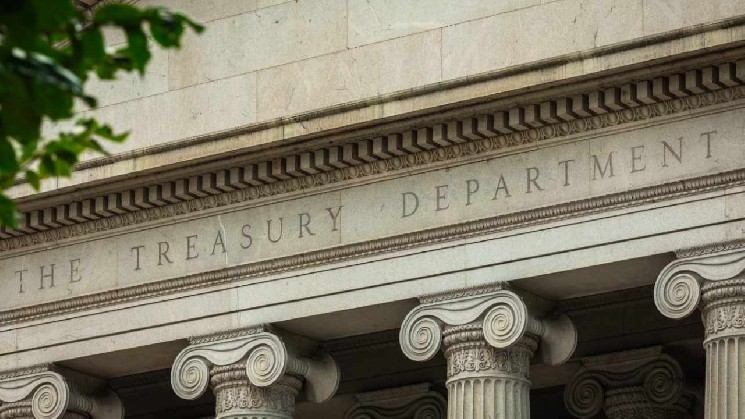
Stablecoins are revolutionizing the landscape of U.S. Treasury demand, reshaping financial markets, and redefining the global dominance of the U.S. dollar. The U.S. Department of the Treasury recently released the official minutes from a pivotal meeting of the Treasury Borrowing Advisory Committee, highlighting the increasing impact of stablecoins on the demand for U.S. Treasury securities.
During the meeting, which took place on April 29, 2025, key stakeholders including senior Treasury officials, representatives from the Federal Reserve Bank of New York, and industry experts delved into the profound implications of stablecoins on financial markets and fiscal strategy. Discussions emphasized how the rapid growth of stablecoins is transforming traditional financial structures and generating heightened interest in Treasury instruments.
Dealers participating in the meeting pointed out that the surge in stablecoin adoption, coupled with potential regulatory clarity through upcoming legislation, could lead to a significant uptick in demand for stablecoins. It was noted that stablecoin providers already hold substantial amounts of Treasury securities and may be required to include Treasury bills in their asset holdings as per proposed regulations.
The minutes revealed that the digital asset space is being closely monitored as a potential driver of Treasury demand. The Committee also explored how stablecoins are increasingly blurring the boundaries with other financial products, particularly money market mutual funds. The convergence between money funds and payment stablecoins was highlighted as a notable trend in the evolving financial landscape.
Furthermore, the meeting addressed the competitive risks posed by interest-bearing stablecoins to traditional depository institutions, as well as the potential for these digital assets to enhance the global reach and utility of the U.S. dollar. While legislation is being considered to prohibit the payment of yield to stablecoin holders, the integration of interest-bearing features into digital assets was debated as a transformative development.
In conclusion, the Committee acknowledged the dynamic nature of the stablecoin sector and recognized its significant impact on future Treasury demand. As regulatory frameworks continue to evolve, both Treasury officials and market participants emphasized the importance of closely monitoring digital assets as a critical element of federal debt management strategy.
As stablecoins reshape the financial landscape and redefine the role of the U.S. dollar, it is imperative for policymakers and market players to adapt to the changing dynamics of the digital asset economy. Stay tuned for further updates on the evolving relationship between stablecoins and U.S. Treasury demand.