
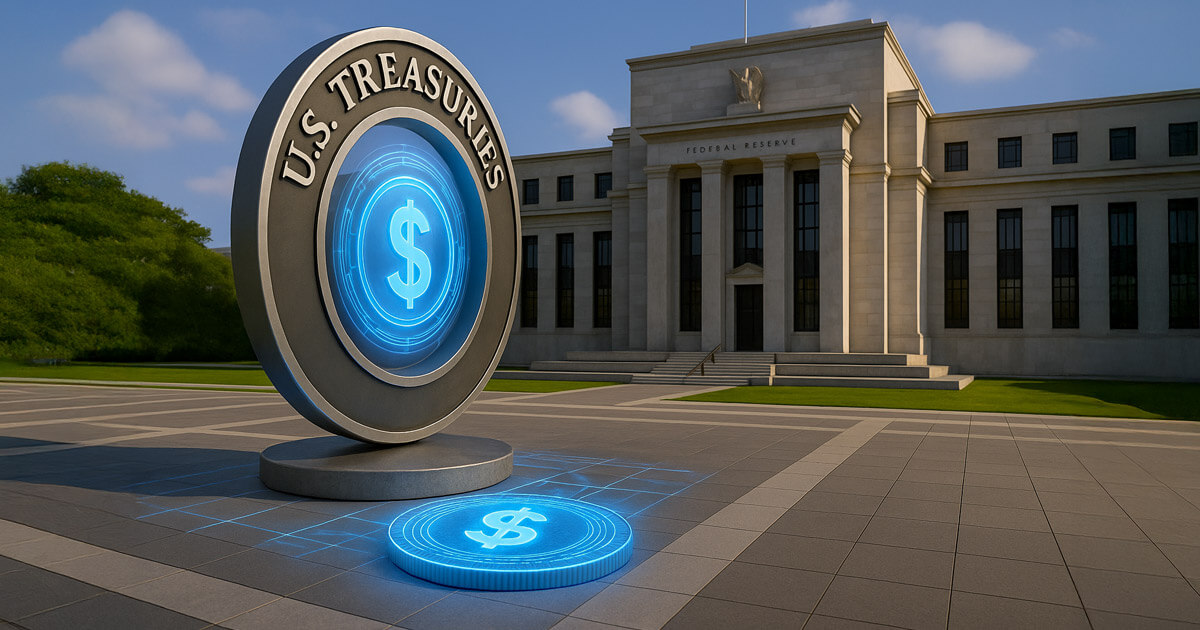
The digital asset sector is poised to drive a significant increase in demand for US Treasury debt, with projections suggesting it could reach $2 trillion in the coming years. Treasury Secretary Scott Bessent recently highlighted this potential surge in demand during a House Financial Services Committee hearing, underscoring the growing importance of digital assets in the global financial system.
Bessent emphasized the need for the US to take a leadership role in shaping global standards for crypto markets, noting the country’s opportunity to guide innovation and reap the benefits. He pointed to the integration of stablecoins and other blockchain-based financial products with the US dollar and Treasury markets as a prime example of how digital assets can support national financial interests.
Stablecoins, in particular, are driving much of the projected demand for Treasury debt. Tether, the largest stablecoin issuer, holds nearly $120 billion in short-term Treasury bills as reserves, while Circle’s USD Coin (USDC) reported over $22 billion in T-bill holdings. As stablecoin circulation and global demand increase, the need for collateral in low-risk assets like Treasuries grows as well.
The link between digital assets and US debt markets is strengthening, with private issuers serving as steady institutional buyers of government securities. This emerging demand could provide Treasury markets with added resilience and liquidity, especially amidst concerns about foreign appetite for US debt.
Congress is currently considering new legislation that would formalize the role of stablecoin issuers in the Treasury ecosystem, further bolstering demand for government debt. The STABLE Act of 2025 and the GENIUS Act of 2025 aim to require issuers to fully back their tokens with high-quality liquid assets, including short-term Treasuries. However, political divisions between Democrats and Republicans may delay the passage of these bills, as some lawmakers have raised concerns about investor protection.
If enacted, these bills could establish Treasury investment requirements for the stablecoin sector, solidifying digital dollars within the US financial infrastructure. Proponents believe that such regulations would enhance trust in stablecoins and reinforce the dollar’s dominance in digital markets.
Overall, the growing demand for US Treasury debt from the digital asset sector presents both opportunities and challenges for the US financial system. By embracing this trend and implementing appropriate regulations, the country can harness the potential benefits of digital assets while safeguarding financial stability.