
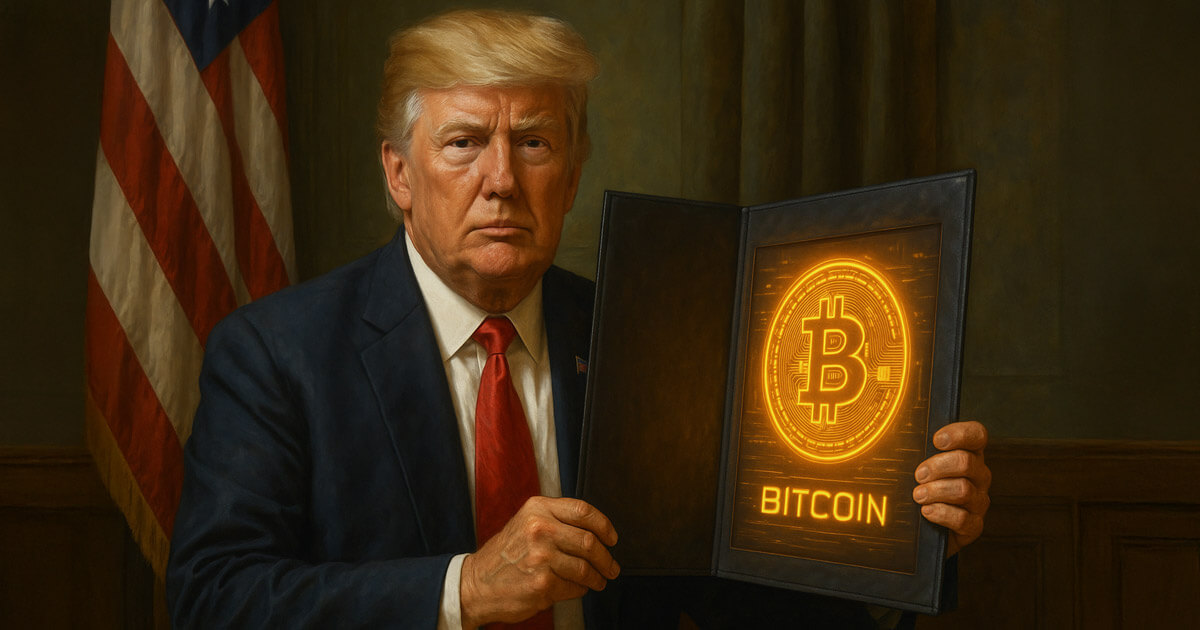
President Donald Trump made a significant move on August 7 by signing an executive order aimed at stopping discriminatory banking practices against the cryptocurrency industry. This order prohibits federal regulators from using “reputational risk” as a basis for influencing banks’ decisions regarding working with legal businesses in the crypto sector.
The administration argues that the digital asset industry has been unfairly targeted by regulatory pressure, resulting in sudden account closures, disruptions in payroll services, and financial access being revoked for compliant companies. This directive directly addresses the concerns surrounding what has been termed as “Operation Choke Point 2.0,” a perceived campaign of informal regulatory pressure on the crypto industry.
While not an official program, Operation Choke Point 2.0 refers to a series of supervisory actions that allegedly dissuade banks from providing services to digital asset companies, even if these firms are operating within the bounds of the law. This modern-day version of the chokepoint strategy is primarily focused on the crypto sector, unlike its earlier iteration which targeted industries deemed high-risk for fraud.
Since the beginning of 2023, numerous companies have reported instances of unexplained account closures and debanking, often citing vague risk concerns rather than specific compliance issues. This hostile environment has created uncertainty for both startups and institutional players in the crypto space, hindering growth and eroding regulatory trust in the US.
President Trump’s executive order aligns with recent commitments made by the Federal Reserve, FDIC, and the Office of the Comptroller of the Currency to refrain from evaluating banks based on reputational factors. It also complements legislative efforts in Congress to introduce stricter controls on how regulators oversee politically sensitive or emerging industries.
This order is part of a broader initiative by the Trump administration to establish clearer protections for cryptocurrency companies operating within the US financial system. The move signifies a step towards fostering a more conducive environment for the growth and innovation of the crypto industry in the country.