
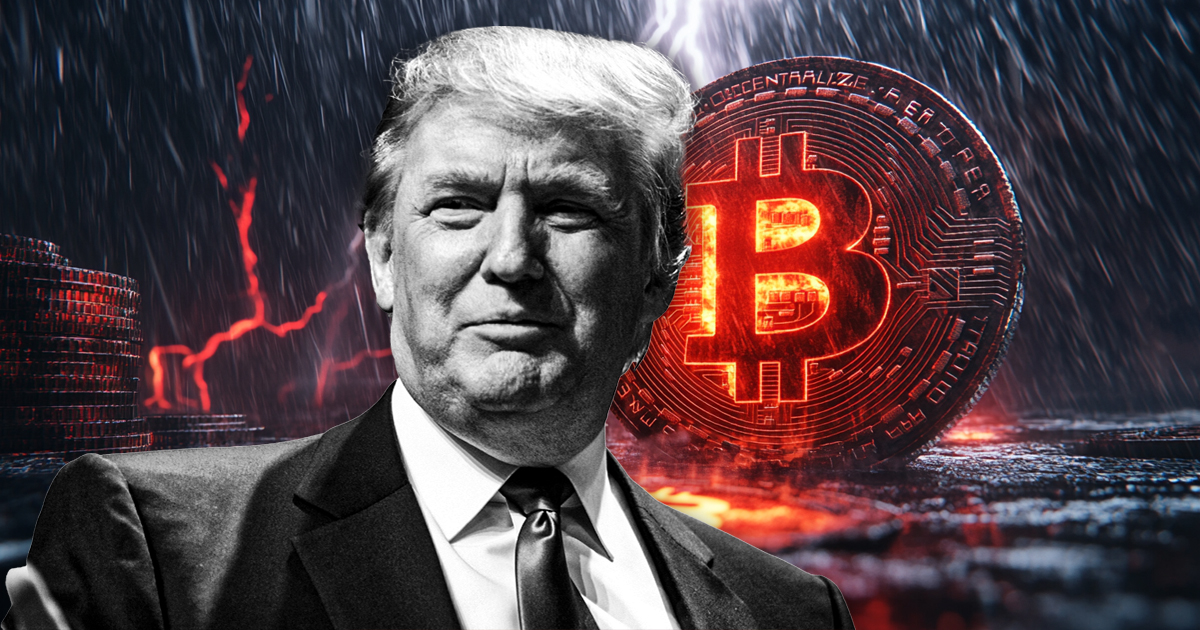
President Donald Trump made a significant move on March 6 by signing an executive order to establish a Strategic Bitcoin Reserve and a Digital Asset Stockpile. This order directs the federal government to retain forfeited crypto as a long-term store of value. The Treasury Department will oversee the management of both reserves, with no plans to actively acquire additional assets beyond those seized.
Treasury Secretary Scott Bessent and Commerce Secretary Howard Lutnick have been tasked with developing budget-neutral strategies to expand the country’s Bitcoin holdings without incurring additional taxpayer costs. However, the order lacks specific details or a timeline for when these holdings would be expanded.
The market reacted negatively to the news that the government would not immediately acquire more Bitcoin for the reserve. This lack of an immediate accumulation strategy has dampened market enthusiasm. Bitcoin crashed more than 5% within minutes, dropping to a low of $85,000 before attempting to stabilize. As of press time, Bitcoin was trading at $86,000, with major altcoins falling 6% across the board.
The executive order mandates that Bitcoin seized through criminal and civil asset forfeiture proceedings will be deposited into the reserve, ensuring no additional costs to taxpayers. The Digital Asset Stockpile will hold cryptocurrencies other than BTC obtained through forfeiture. A full audit of the government’s digital asset holdings is also required, with estimates suggesting the US owns approximately 200,000 BTC.
The policy prohibits the government from selling any Bitcoin in the reserve, likening it to a digital equivalent of Fort Knox. Advocates argue that this move could prevent past mistakes that led to billions in lost potential value from early Bitcoin sales. Trump’s administration sees this as a step towards positioning the US as a global leader in digital assets.
While the executive order represents a shift in federal digital asset policy, concerns remain about its long-term implications. Some analysts caution that maintaining a Bitcoin reserve without active management could expose the government to market volatility. Regulatory hurdles and congressional oversight may also impact the initiative’s development.
Overall, this executive order underscores the administration’s efforts to integrate digital assets into national financial strategy, aiming to solidify the US as a “crypto capital.” The cryptocurrency market continues to evolve, with Bitcoin currently down 4.57% over the past 24 hours, and the total crypto market valued at $2.83 trillion with a 24-hour volume of $125.59 billion.