
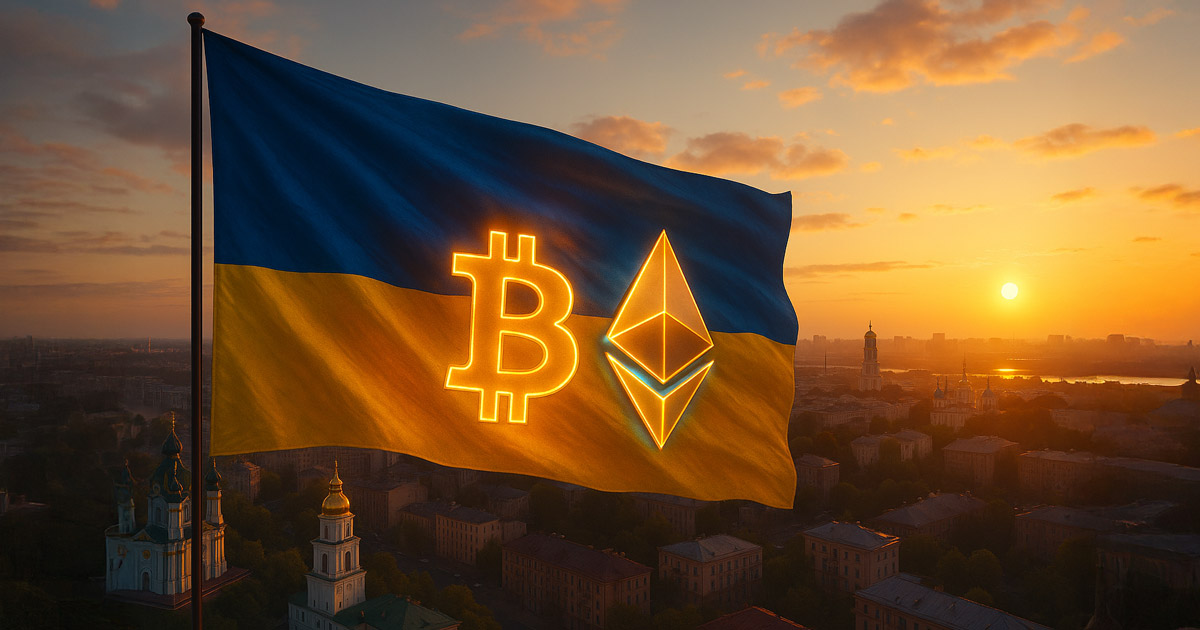
Ukraine has taken a significant step towards legalizing and regulating the crypto industry, moving from a previously unregulated market to one with a clear legal framework. This decision was announced by Ukrainian lawmaker Yaroslav Zhelezniak on Sept. 3, who disclosed that a bill has been approved to legalize and tax the use of digital assets in the country.
The newly approved draft bill introduces a tax system that imposes an 18% income levy and a 5% military contribution on transactions involving digital assets. To incentivize compliance, the bill includes a one-year grace period during which withdrawals converted to fiat currency will be taxed at a reduced rate of 5%.
Although regulators for the crypto space have not been officially named yet, the National Bank of Ukraine and the National Securities and Stock Market Commission are being considered for overseeing this sector. Zhelezniak also mentioned that further revisions to the bill will be made before its second reading.
The move to legalize and regulate the crypto industry in Ukraine comes in response to mounting pressure to bring this sector under tighter oversight. A recent study by the Royal United Services Institute (RUSI) estimated that Ukraine could recover up to $10 billion by implementing a more robust regulatory system for cryptocurrencies.
The RUSI report highlighted the vulnerabilities in Ukraine’s current crypto ecosystem, pointing out that the country’s over-the-counter markets have become a hotspot for illicit financial activities. These activities include purchasing restricted military components, utilizing money-mule networks, and exploiting gaps in donor verification regulations.
Experts at the institute raised concerns about the geopolitical risks associated with these vulnerabilities, warning that foreign actors could use Ukraine as a conduit for money laundering and undermining democratic systems. The report also suggested that Russian intelligence might be taking advantage of Ukraine’s wartime distractions to funnel illicit funds through local intermediaries.
As Ukraine ranks among the top countries in the world for crypto adoption, with a particularly strong presence in Eastern Europe, lawmakers are under pressure to implement regulations that can capture tax revenue and combat illicit activities. The regulation of the crypto industry is now seen as essential to safeguard the country’s financial stability and uphold its international partnerships.
In conclusion, Ukraine’s decision to legalize and regulate the crypto industry marks a significant milestone in the country’s efforts to address the challenges posed by digital assets. By implementing a clear legal framework and tax system, Ukraine aims to strengthen its oversight of the crypto sector and enhance its financial integrity in the global market.