
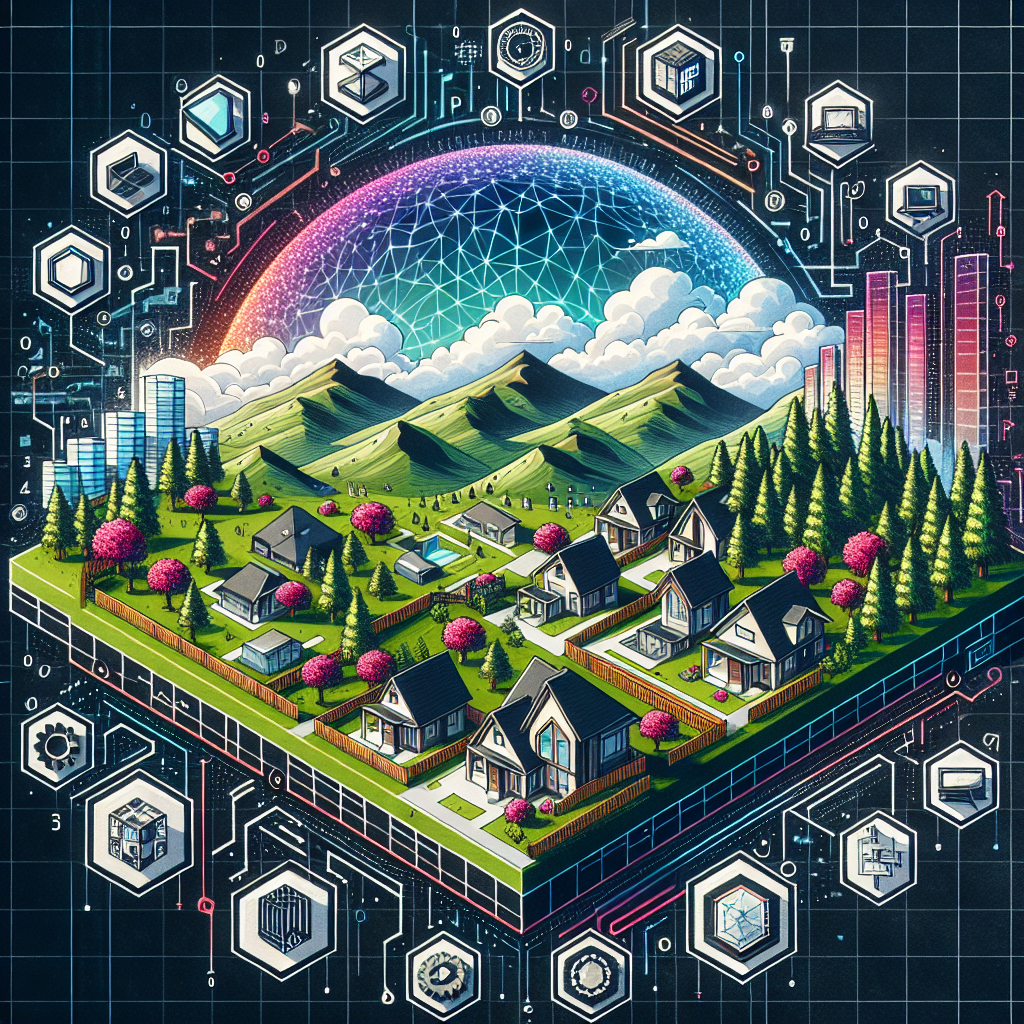
Upland 2.0: A New Era of Virtual Real Estate Ownership
Upland 2.0 has revolutionized the way players engage with digital property, introducing innovative layers of strategy centered around location, ownership, and city development. This upgrade places a stronger emphasis on districts and community-driven growth, making virtual real estate feel more dynamic and rewarding than ever before.
Key Takeaways:
1. Upland 2.0 prioritizes property strategy and district value, making ownership more strategic and thought-provoking.
2. The Sparklet token now plays a crucial role in development and blockchain integration within the game.
3. The rebranding of Upland enhances clarity for newcomers while providing seasoned players with deeper gameplay experiences.
4. Developers and creators have new opportunities to build within the Upland platform, fostering creativity and innovation.
5. Virtual property ownership is now intricately tied to geography and long-term planning, adding a new level of depth to the game.
Upland 2.0 Redefines Property Ownership
One of the significant changes in Upland 2.0 is the strategic shift in property ownership. Gone are the days of simply collecting land and waiting for its value to increase. Now, the location of your property significantly impacts its worth. The district it resides in, neighboring properties, and overall area development all influence its value.
This change mirrors real-world real estate dynamics, where owning property in a bustling downtown area or a rapidly developing district can boost its value. Players must now consider long-term potential with every purchase, moving away from impulsive buying towards strategic decision-making.
The Strategic Value of Districts
Districts are now at the core of Upland’s gameplay strategy. They are no longer just map markers but pivotal elements that shape the in-game economy. Thriving districts experience increased demand for properties within them, fostering collaboration among players and leading to higher resale and rental opportunities.
Choosing a property in Upland is akin to urban planning, where owning a piece of land is not only about personal ownership but also about being part of a vibrant community and reaping the benefits of collective growth. This focus on districts sets Upland apart from other metaverse platforms by infusing the game with social and strategic elements.
Urban Development and the Rise of Sparklet
The Sparklet token has become indispensable in Upland 2.0, powering construction and activities within the game. Unlike UPX, which handles most transactions, Sparklet enables players to build houses, businesses, and more in their districts. What sets Sparklet apart is its integration with public blockchains like Ethereum and Base, bridging Upland’s virtual economy with the broader crypto landscape.
This integration opens up new opportunities for players and developers to connect their in-game progress with real-world crypto markets, enhancing the game’s long-term sustainability and appeal.
Why Developers and Creators Win with Upland 2.0
Upland 2.0 not only benefits players but also offers a wealth of opportunities for developers and creators. The platform now provides a more accessible environment for building experiences, brands, and projects within the game. Developers can now:
1. Create virtual businesses tied to real addresses.
2. Launch branded content that interacts with districts.
3. Develop NFT-based experiences that incorporate Sparklet.
This creator-centric approach positions Upland as a competitive player in the metaverse market, offering a unique blend of creativity tied to real-world geography, providing projects with a distinct sense of place and context.
Rebranding and Improved Onboarding
In addition to new features, Upland 2.0 introduces a revamped look, clearer messaging, and streamlined onboarding processes to simplify the player experience. The rebranding positions Upland as more than just a land-collecting game but as a strategic hub for community-building and digital economy engagement. Longtime players benefit from a renewed focus on deeper gameplay elements that may have been overlooked previously.
How Upland 2.0 Stacks Up Against Other Metaverse Platforms
Comparisons between Upland, Decentraland, and The Sandbox are inevitable, as they each offer unique approaches to the metaverse space. Upland sets itself apart by focusing on real-world geography, districts, and urban planning, fostering a stronger sense of strategy where location and collaboration directly impact property value.
The clear advantage of Upland lies in making digital property ownership feel akin to real-world real estate, offering a distinctive angle in a crowded metaverse market.
What Upland 2.0 Means for Players
The changes introduced in Upland 2.0 transform the player experience, requiring property owners to think strategically about districts, building, and long-term growth rather than quick profits. New players benefit from a more user-friendly introduction to the game, while creators and developers have more avenues to shape the game’s economy and environment.
Overall, Upland now offers a vibrant city-building experience where choices matter, communities thrive, and strategic planning leads to success.
Why Upland 2.0 Features Matter
The new features in Upland 2.0 elevate virtual real estate ownership from a mere guessing game to a strategic endeavor. By emphasizing districts, city growth, and tokens like Sparklet, the update provides experienced players with enhanced gameplay opportunities while welcoming new players into the fold.
Compared to other metaverse projects, Upland’s unique blend of strategy and geography sets it apart, encouraging players to think like investors, builders, and urban planners. This distinct combination positions Upland 2.0 as one of the most promising digital property ownership environments in the current landscape of metaverse platforms.