
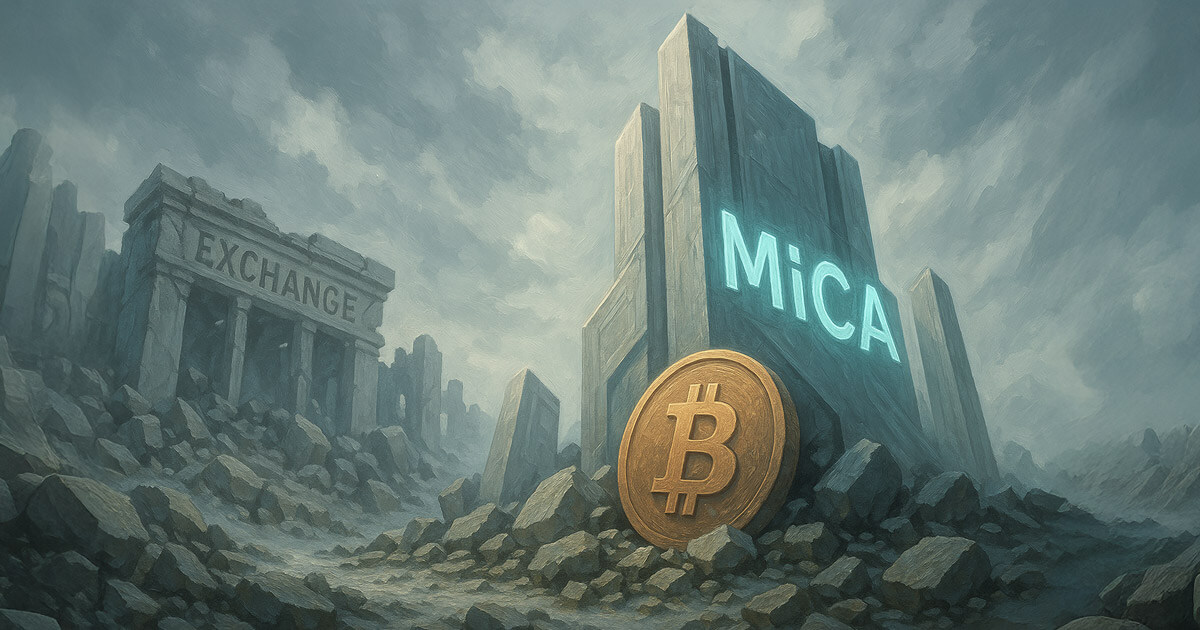
The year 2025 marks a pivotal moment for the cryptocurrency industry, as regulatory frameworks such as MiCA (Markets in Crypto-Assets) are reshaping how exchanges operate in the EU. Moving away from a speculative and nascent market, the focus is now on building reliable infrastructure, ensuring regulatory compliance, and fostering institutional trust.
According to Mike Romanenko, CVO & Co-Founder at Kyrrex, the shift towards a regulated financial ecosystem requires exchanges to obtain licenses as Crypto-Asset Service Providers (CASP) under MiCA or equivalent frameworks such as Malta’s Class 4 Virtual Financial Assets (VFA). This transition is essential for building trust with institutional investors and requires exchanges to prove reserves, publish audits, and demonstrate solvency and security through third-party verification.
In addition to obtaining licenses, exchanges must automate compliance processes by integrating Know Your Customer (KYC) and Anti-Money Laundering (AML) procedures directly into their platforms. By utilizing reporting APIs and real-time transaction monitoring, compliant exchanges can offer seamless onboarding for users and token projects while maintaining regulatory standards.
Furthermore, connecting regulated exchanges to bank-grade payment rails is crucial for enhancing liquidity and minimizing counterparty risk. Enterprise B2B payment networks like the Regulated Settlement Network (RSN) are paving the way for 24/7 settlement of tokenized assets within regulatory boundaries. Platforms like J.P. Morgan’s Kinexys Digital Payments platform demonstrate the potential for programmable liquidity and streamlined cross-border payments through smart contracts.
By leveraging this new infrastructure, exchanges can unlock capital efficiency by using tokenized treasuries as collateral for margin execution and treasury management strategies. This operationalizes the core promise of digital assets by creating a more efficient financial ecosystem where capital is always productive.
In this new era of cryptocurrency, credibility is key. Exchanges that prioritize auditability, security, and seamless integration with fiat and tokenized rails will become trusted anchors in the industry. As MiCA-approved custody, real-time settlement, and on-demand transparency become standard, regulated platforms will compete on credibility rather than volume.
As we move forward in 2025, the focus is on building long-term trust through infrastructure and regulation. Exchanges that embrace banking APIs, company registries, and programmable rails are removing friction and setting the standard for compliance and transparency. By aligning with evolving standards and offering regulatory clarity, exchanges will shape the future of the crypto economy and earn the trust of institutional investors and users alike.