
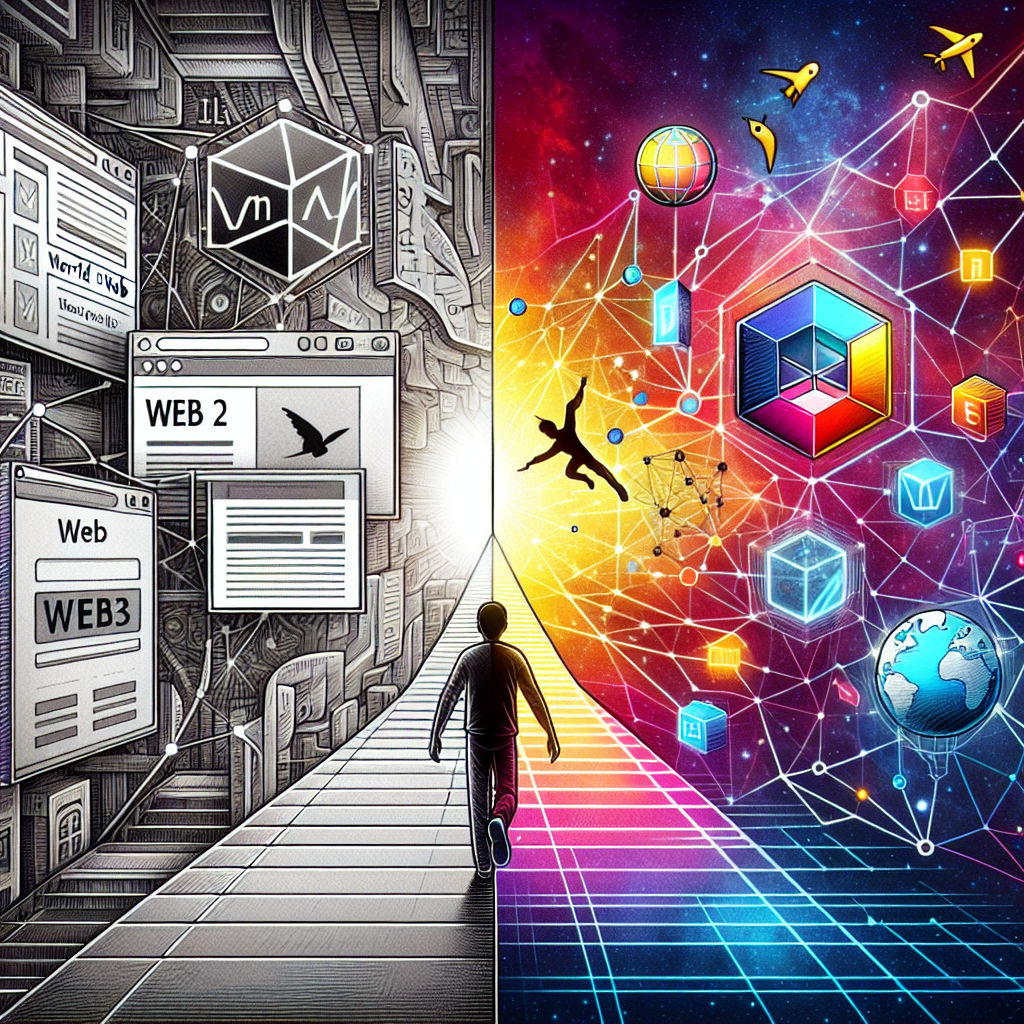
The shift from Web2 to Web3 has been a transformative journey for many developers, including Yurii Kovalchuk, a Senior Blockchain Engineer at Forte Group. Three and a half years ago, Yurii made the bold decision to leave behind the familiar world of Web2 and venture into the realm of blockchain development. This decision was not driven by a desire for quick success or financial gain, but rather by a quest for purpose, alignment with values, and a challenge to push boundaries in technology.
In the world of Web3, the compensation structure is vastly different from traditional tech. Instead of fixed salaries and HR paperwork, Web3 projects often offer a mix of stablecoin payments, on-chain invoices, and token-based incentives. Payments are often made directly to your wallet, with project tokens giving you a stake in the success of the product. While the volatility of tokens poses risks, the potential upside for senior-level Web3 engineers can be significant.
Web3 is inherently remote-native, with distributed teams being the norm rather than the exception. This setup allows for greater flexibility in work location and schedule, as well as a focus on autonomy and async communication. Anonymity is also prevalent in many Web3 projects, with contributors often remaining pseudonymous.
Developing in the Web3 space requires a different mindset compared to traditional tech. It is a world of experimentation, where adaptability and a high tolerance for change are essential skills. Open source collaboration is at the core of Web3, with transparency and integrity being key principles. Regulation in the Web3 space is still evolving, with legal frameworks varying from country to country.
To succeed in Web3, developers can leverage their Web2 experience, master fundamental languages and technologies, build strong relationships, take initiative, own their work, and share their knowledge. Building a personal brand, engaging in Crypto Twitter, participating in hackathons, contributing to open source, and utilizing AI tools can also enhance a developer’s success in the Web3 ecosystem.
Transitioning from Web2 to Web3 is not just about changing tech stacks, but about embracing a new mindset of adaptability and continuous learning. Web3 offers developers unparalleled freedom, innovation, and ownership, but also requires resilience and a bias towards action. By following these tips and embracing the challenges of Web3, developers can thrive in this dynamic and rapidly evolving landscape. Welcome to the frontier of Web3.