
The advancement of artificial intelligence (AI) technology has revolutionized various industries, but it has also brought new security risks. ChatGPT, a popular AI tool, recently introduced the Model Context Protocol (MCP), which raised concerns about potential vulnerabilities in advanced AI systems.
MCP allows ChatGPT to integrate with various apps such as Gmail, calendars, and SharePoint, expanding its functionality. However, security experts have warned that malicious actors could exploit the system to access private data. Security Researcher Eito Miyamura demonstrated how a specially crafted calendar invite could trick ChatGPT into reading private emails and sending data to attackers without user consent.
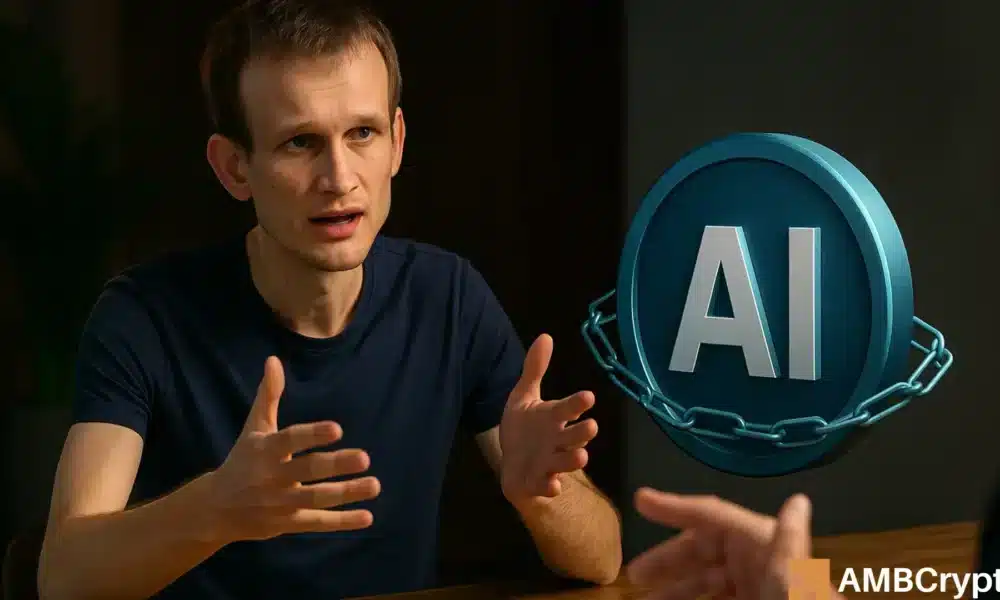
Despite OpenAI running MCP in “developer mode” with human approvals, experts caution that decision fatigue could lead regular users to unknowingly expose sensitive information. In response to these concerns, Ethereum Co-Founder Vitalik Buterin stressed the importance of incorporating human oversight into AI systems. He emphasized the need for a human jury to provide a reliable ground truth signal for AI decisions.
Furthermore, Buterin proposed an “info finance” governance model, where governance frameworks operate in an open marketplace with contributions from anyone. However, final judgments would rest with a human jury to prevent misuse and ensure security. This approach aligns with decentralized autonomous organization (DAO) and decentralized finance (DeFi) governance principles.
Buterin also highlighted the risks associated with AI-based fund allocation in crypto treasuries. He advocated for transparency, human oversight, and decentralized accountability to safeguard crypto assets. Additionally, he discussed the Ethereum Foundation’s fiscal actions, including the unveiling of the Treasury Policy to guide financial decisions transparently and actively manage the foundation’s assets.
Furthermore, Buterin endorsed Codex, a stablecoin-focused layer 2 solution optimized for payments, recognizing its strategic value in the crypto ecosystem. These actions reflect a forward-thinking strategy to enhance Ethereum’s growth, resilience, and adoption, as well as contribute to the broader crypto ecosystem in the coming years.
In conclusion, the integration of AI technology like ChatGPT’s MCP presents both opportunities and challenges for the industry. By incorporating human oversight, adopting transparent governance models, and prioritizing security, stakeholders can navigate the complexities of AI advancements effectively.