
Linqto, a once-prominent private investment platform promising everyday investors access to pre-IPO tech giants, has filed for Chapter 11 bankruptcy, revealing a disturbing truth: customers may have never truly owned the shares they thought they were purchasing.
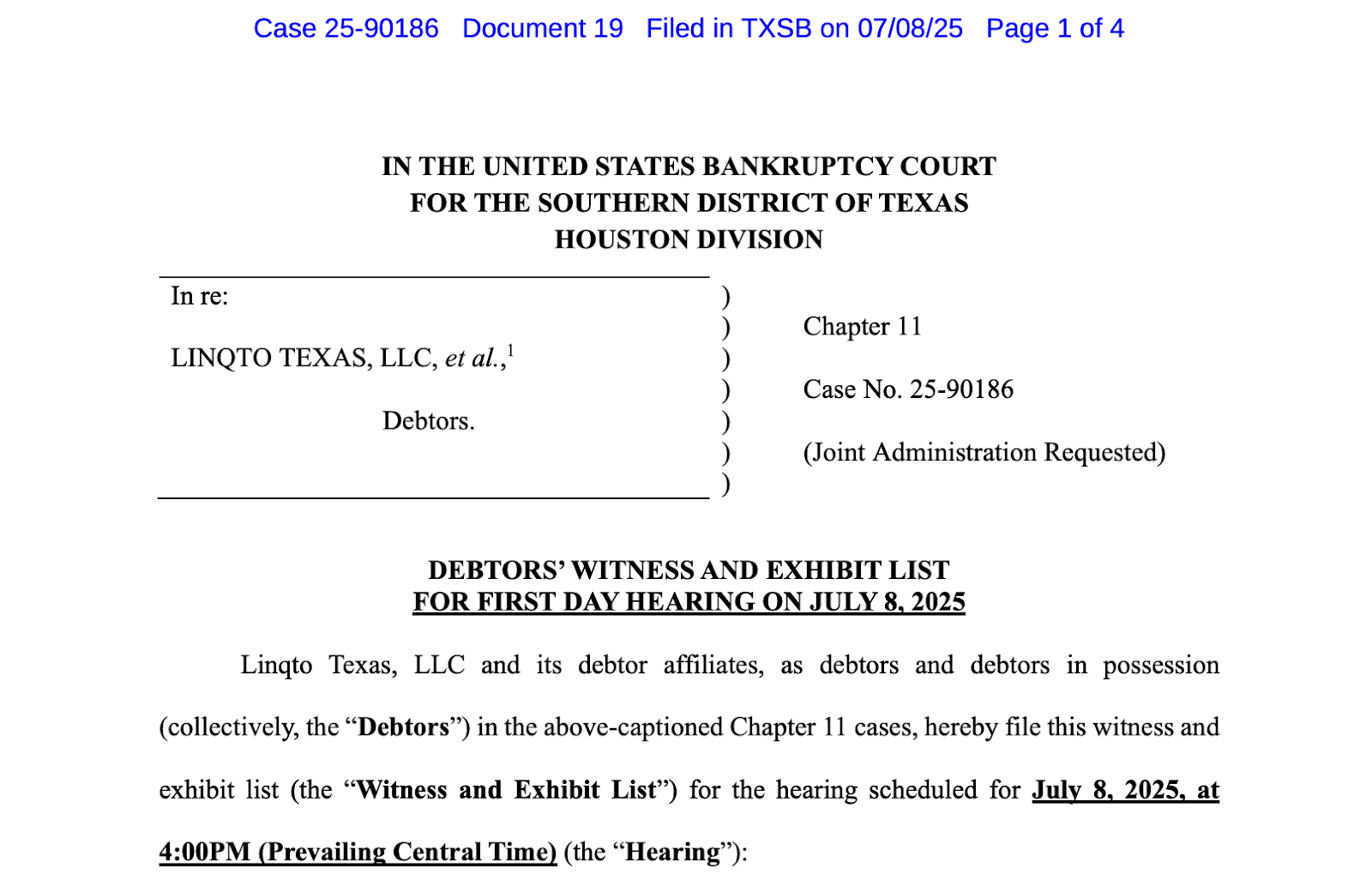
The San Jose-based fintech firm made its bankruptcy filing in the Southern District of Texas, citing assets and liabilities estimated between $500 million and $1 billion. With over 10,000 creditors potentially affected, the fallout from Linqto’s collapse is significant.
At the center of the controversy is Linqto’s touted access to private shares in companies like Ripple and CoreWeave. However, the bankruptcy filing alleges years of mismanagement and serious securities law violations that have left the company potentially insolvent. Former executives are accused of knowingly neglecting to address these issues, dating back to 2020.
One of Linqto’s popular offerings was secondary market shares in Ripple Labs. The company claimed to hold millions of Ripple shares through its investment vehicle, Linqto Liquidshares. However, questions about actual ownership arose due to the company’s structure and lack of necessary permissions from issuers like Ripple.
Ripple CEO Brad Garlinghouse clarified that while Linqto owns the shares, Ripple has never had a business relationship with the platform. The confusion surrounding ownership has prompted an investigation by the U.S. Securities and Exchange Commission into possible misleading practices and eligibility violations by Linqto.
The collapse of Linqto has rattled faith in retail access to private equity. Reports surfaced in June hinting at federal probes and a potential bankruptcy, with allegations that customers did not own the securities they believed they had purchased. Former executives faced scrutiny for offering Ripple shares at marked-up prices, violating SEC rules.
Now under bankruptcy protection, Linqto is seeking to restructure under the guidance of Jeffrey Stein and legal support from firms like Triple P TRS, LLC and Epiq Corporate Restructuring. The company aims to negotiate with regulators to settle liabilities and litigations fairly.
The fallout from Linqto’s collapse has left many retail investors reeling, realizing that the shares they thought they owned may have been merely a promise. As the bankruptcy proceedings unfold, the fate of Linqto unitholders and the potential for restitution remain uncertain.
Despite the uncertainty, Garlinghouse noted that the underlying value of Ripple shares has increased, offering hope for gains for Linqto unitholders. The first hearing in Linqto’s bankruptcy case is scheduled for Tuesday, where the extent of the damage and the path to recovery may begin to unfold.