
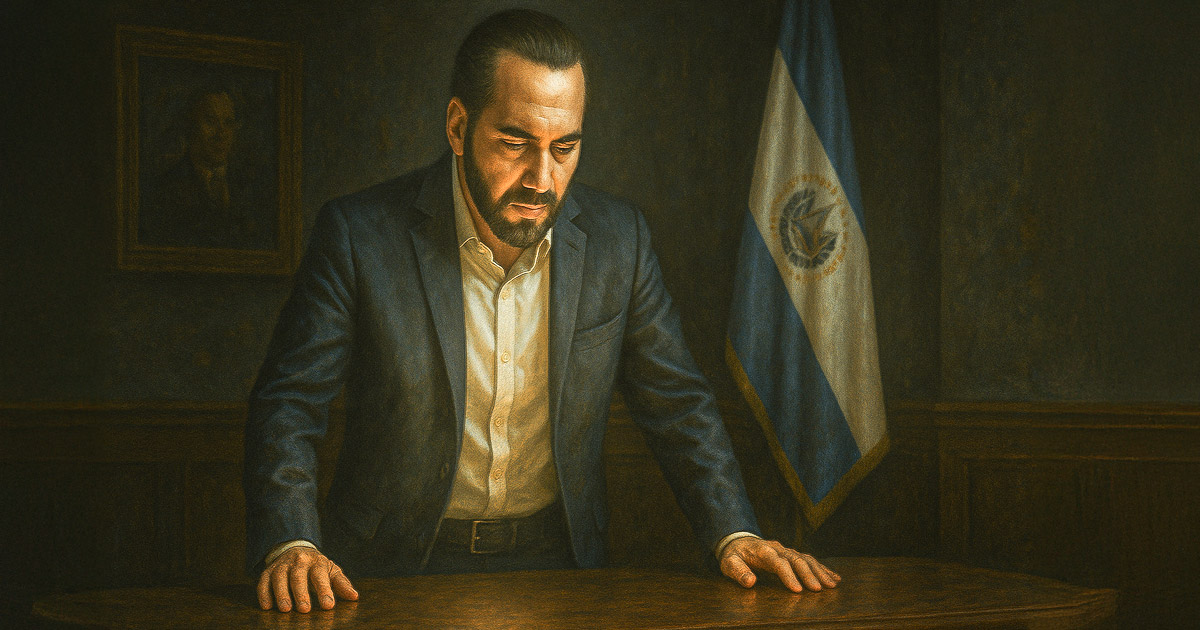
El Salvador’s legislature recently approved significant constitutional reforms that will reshape the country’s political structure and electoral timelines. The bill, passed on July 31 by 57 lawmakers, includes changes such as enabling indefinite presidential re-election, extending presidential terms from five to six years, and eliminating the need for second-round runoffs in elections.
One of the most notable aspects of these reforms is the advancement of President Nayib Bukele’s current term end date from June 2029 to June 2027. This adjustment aligns presidential and legislative elections, potentially allowing Bukele to seek another term two years earlier than originally planned. Proponents argue that these changes will enhance institutional stability, reduce election costs, and attract more foreign investment by providing political continuity. Additionally, they claim that the reforms aim to stabilize electoral periods and reduce the constant state of political campaigning.
These amendments come just one year after Bukele secured a second term, despite previous constitutional provisions prohibiting immediate re-election. Bukele has been a vocal advocate for cryptocurrency adoption and positioned El Salvador as a pioneer in crypto-driven governance. In 2021, the country made history by adopting Bitcoin as legal tender, which garnered both praise and skepticism internationally.
Since then, the government has established a strategic Bitcoin reserve and facilitated the use of the cryptocurrency for daily transactions, tax payments, and public services. Stacy Herbert, who leads the government’s Bitcoin Office, believes that the electoral reform will enable El Salvador to continue its current economic trajectory. She stated, “The days of chaos, violence, and despair are gone for good. El Salvador will remain on the path to greatness.”
Max Keiser, a senior advisor on Bitcoin policy, offered a more radical perspective on the reforms, suggesting that El Salvador could become the Singapore of Central America under Bukele’s leadership. He emphasized that El Salvador’s governance model aligns with Bitcoin principles, describing it as a “Bitcoin Country” and a “STARTUP NATION.”
In conclusion, El Salvador’s constitutional reforms and progressive approach to cryptocurrency integration have positioned the country as a unique player in the global political and financial landscape. With these changes in place, the future of El Salvador under Bukele’s leadership appears to be on a transformative path towards economic growth and innovation.