
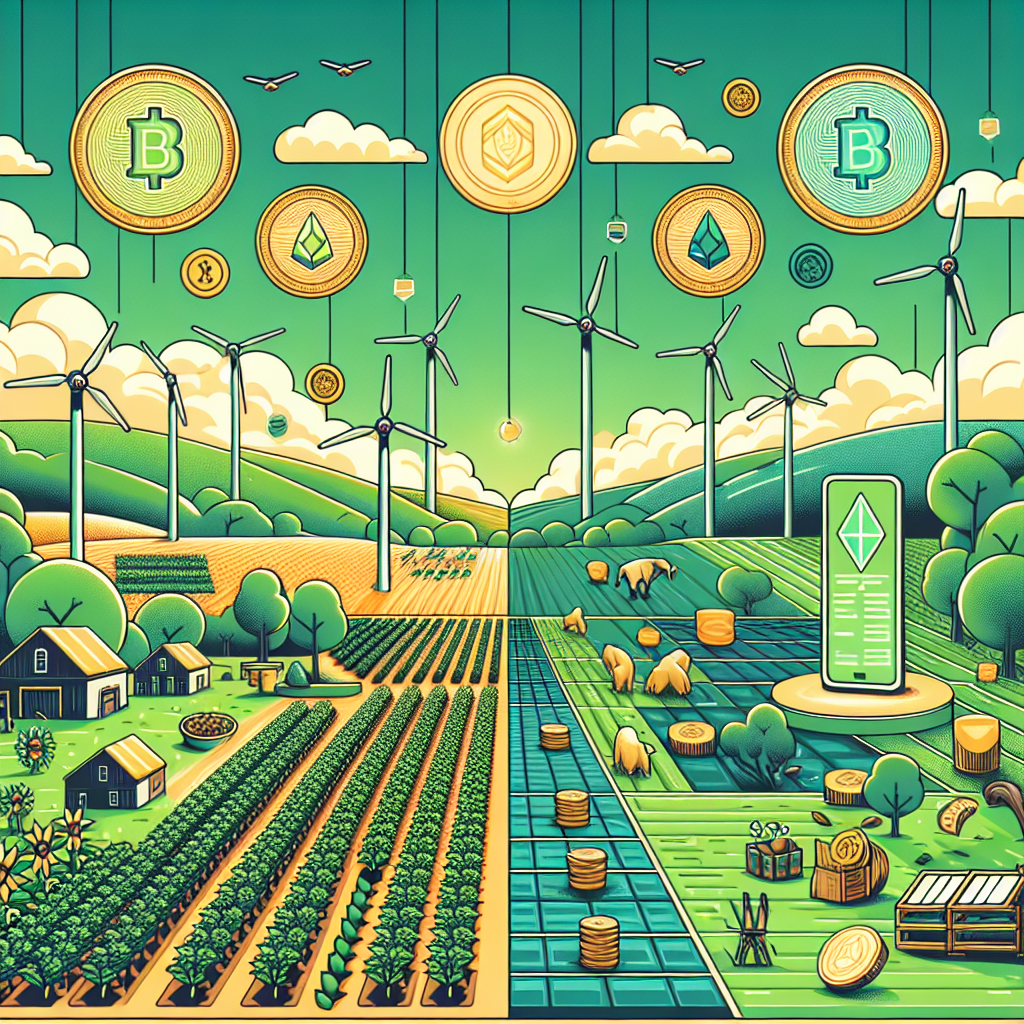
The intersection of blockchain technology and environmental sustainability has forged unexpected alliances in the pursuit of more regenerative agricultural practices. Once regarded as mere vehicles for digital art speculation, non-fungible tokens (NFTs) have evolved into potent tools for fundraising and awareness-raising for ecological causes. One of the most promising applications is their capacity to direct resources towards sustainable farming communities worldwide, establishing direct links between digital enthusiasts and land stewardship projects.
### The Evolution of Purpose-Driven NFTs
The NFT market has matured significantly since its explosive entrance into the mainstream in 2021. Beyond the hype of art sales, a new wave of impact-focused NFT projects has emerged. These purpose-driven collections allocate a significant portion of their proceeds to specific environmental and social causes.
Sustainable agriculture has taken center stage in many of these projects, with blockchain communities acknowledging the critical role of regenerative farming practices in combating climate change, biodiversity loss, and food security. Instead of treating environmental concerns as an afterthought, these NFT collections integrate ecological impact into their core value proposition.
#### From Digital Ownership to Real-World Impact
What sets agricultural NFTs apart from traditional charitable giving is the establishment of ongoing relationships between token holders and the farming communities they support. Token ownership often includes:
– Regular updates on project developments and impact metrics
– Voting rights on fund allocation decisions
– Virtual or in-person access to supported farming operations
– Educational content on sustainable agricultural practices
– Community membership with like-minded sustainability advocates
This model transforms conventional donation dynamics into participatory support ecosystems, where backers are directly connected to the outcomes of their contributions through digital asset ownership. The transparency of blockchain technology enables real-time tracking of fund deployment, fostering unparalleled accountability in philanthropic agricultural support.
### NFT Projects Supporting Sustainable Agriculture
Several pioneering NFT collections have showcased the potential of this funding model for eco-friendly farming initiatives. Their approaches serve as valuable case studies for understanding how digital collectibles can translate into tangible agricultural impact.
#### Regenerative Farming NFT Initiatives
One notable example is Treedom, which merges NFT technology with real tree planting initiatives. Projects like “One Million Trees NFT” use digital art sales to directly fund tree planting efforts in various regions, bridging the gap between digital assets and physical environmental restoration.
Similarly, Dimitra has launched a noteworthy agricultural NFT initiative that initially focused on planting 1,000 avocado trees in Kenya. Their Real-World Asset NFT (RWA-NFT) program tokenizes agricultural assets such as crops, trees, and carbon credits, providing farmers with new funding opportunities while promoting sustainable practices.
### Blockchain Support for Specialized Cultivation
The NFT funding model has proven invaluable for niche agricultural sectors that may struggle to secure traditional funding. Several projects concentrate on preserving heritage crops, indigenous farming methods, and alternative cultivation techniques that enhance biodiversity and sustainability.
Some collections have emerged around cannabis cultivation themes, emphasizing the plant’s potential as a sustainable crop when grown using eco-friendly methods. These projects underscore how certain cannabis varieties, like those cultivated from ILGM autoflower seeds, offer low-resource cultivation options that require minimal water, energy, and processing compared to conventional crops. The autoflowering trait reduces energy consumption by allowing plants to flower based on age rather than light cycles, aligning with discussions on agricultural sustainability and resource efficiency.
#### Transparent Supply Chain Verification
In addition to direct funding, NFT technology presents significant opportunities for verifying agricultural supply chains. AgriDex, a Solana-based platform that raised $5 million in funding, employs NFT-based systems to tokenize agricultural commodities. Each transaction on their marketplace is secured by minting an NFT that documents all crucial transaction details, providing immutable proof for supply chain monitoring. This approach helps:
1. Document production methods through immutable records
2. Verify compliance with ecological certification standards
3. Track carbon offsetting linked to agricultural operations
4. Authenticate fair labor practices throughout the supply chain
5. Validate organic and sustainable growing practices
These verification systems enable conscientious consumers to connect directly with farming communities committed to ecological practices, ensuring that premium prices reach those implementing sustainable methods rather than intermediaries.
### Community Building Through Digital Collectibles
One of the most impactful aspects of agricultural NFT projects is their ability to cultivate communities around specific ecological farming initiatives.
#### Educational Components and Knowledge Transfer
Many agricultural NFT projects incorporate extensive educational elements, leveraging their platforms to raise awareness about sustainable farming techniques and environmental challenges. Token holders gain access to:
– Virtual farm tours and operational demonstrations
– Webinars with agricultural experts and farmers
– Detailed resources on regenerative farming methods
– Community forums for sharing implementation strategies
– Progress tracking dashboards showcasing ecological impacts
This educational component empowers NFT holders to evolve from passive donors to informed advocates, creating a ripple effect as community members disseminate knowledge within their networks.
### Final Word
The fusion of NFT technology and sustainable agriculture presents a promising avenue for channeling resources towards ecological farming practices. By establishing direct connections between digital communities and land stewardship projects, these initiatives circumvent traditional funding constraints while cultivating engaged supporter bases dedicated to enduring agricultural sustainability.