
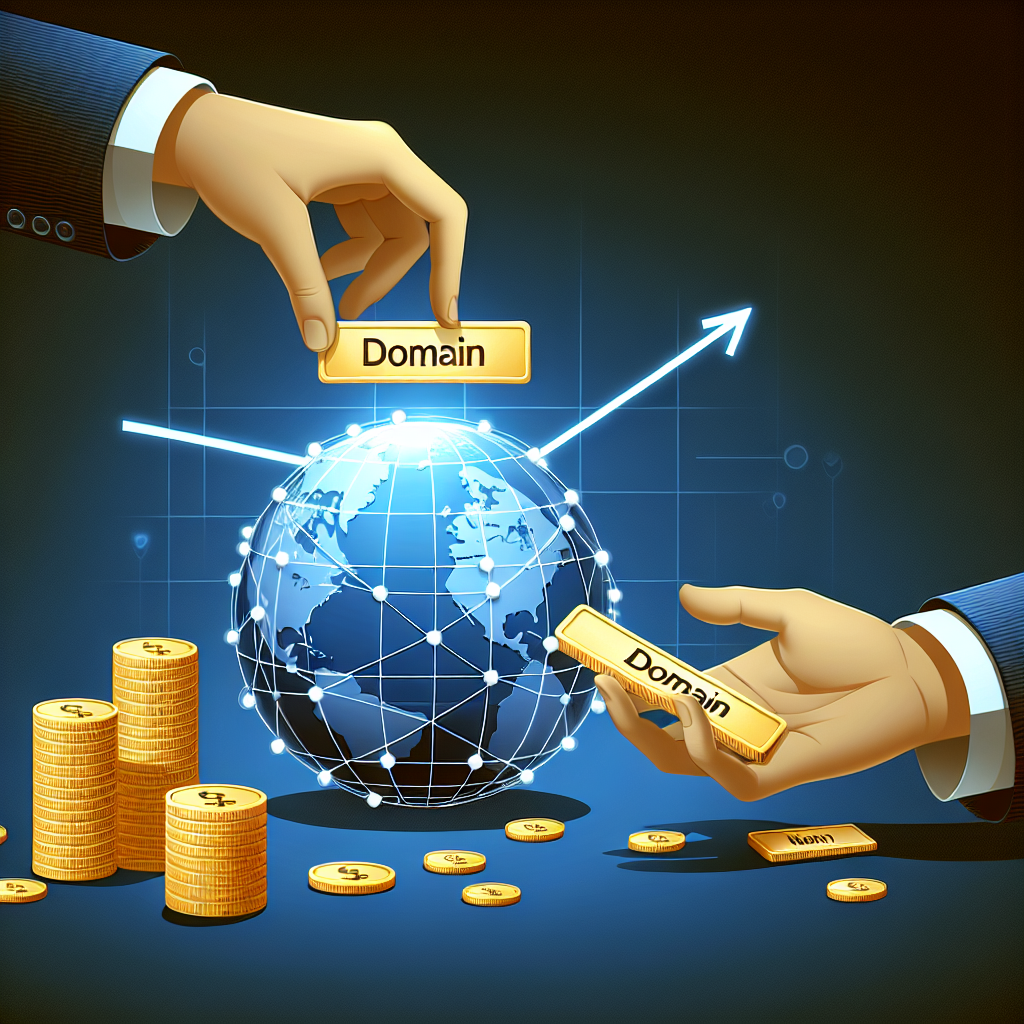
Domain valuation is a critical aspect of digital asset management that often goes overlooked. Many website owners and entrepreneurs underestimate the true value of their domains, potentially leaving significant amounts of money on the table. On the flip side, some individuals end up overpaying for domains, essentially wasting money on overpriced digital real estate.
So, what makes a domain name worth millions while others are barely worth a few dollars? Factors such as length, keywords, brandability, and the choice of domain extension all play a crucial role in determining the value of a domain in today’s market.
Shorter domain names tend to command premium prices due to their ease of typing, remembering, and sharing. Research shows that for every character beyond the seventh in a domain name, there’s a 2% reduction in traffic. Additionally, domains without hyphens tend to avoid traffic penalties, making clean and simple addresses more valuable. Single-word domains, especially those representing dictionary words or common terms, hold exceptional value due to their simplicity and broad appeal. This is why domains like “Cars.com” fetch higher valuations than longer, more complex alternatives.
Domains containing keywords relevant to high-value industries like finance, health, and technology typically demand premium prices. Businesses in these sectors invest heavily in their online presence, making keywords with high search volume crucial for driving organic traffic. While Google advises against relying solely on keyword-rich domain names for long-term SEO strategy, these domains remain valuable for their memorability and marketing potential.
Brandable domains that are unique, easy to pronounce, and evoke positive associations are highly sought after. Names like Starbucks, Google, or Zappos, for example, do not directly describe their products but have become household names. Brandable domains are typically short, easy to pronounce, and different without being too bizarre, offering flexibility as businesses evolve.
The choice of domain extension also significantly affects valuation. The .com extension remains the most preferred due to its universal recognition and credibility, making it 33% more memorable than any other TLD. Other extensions like .net, .org, country-specific TLDs, and newer generic TLDs like .tech, .shop, and .ai can also be valuable, especially when they align with the domain’s industry or purpose.
When it comes to domain valuation methods, automated appraisal tools provide quick estimates based on algorithmic analysis of multiple factors. Platforms like EstiBot, HumbleWorth, GoDaddy Domain Appraisals, and Saw.com offer quick valuations but may not always be accurate, especially for niche or high-value domains. For more comprehensive valuations, manual appraisal techniques that involve human expertise and research on comparable domain sales through platforms like NameBio or DN Journal are recommended.
Income-based valuation methods are effective for domains that generate revenue and involve assessing a domain’s worth through its anticipated future cash flow. This approach evaluates the income potential by examining advertising revenue, keyword commercial value, traffic patterns, and growth trajectory.
Market data and trend monitoring are essential for accurate domain valuation, providing valuable benchmarks and insights into potential market value. Comparative sales analysis, real-time monitoring systems, and understanding industry-specific trends help in determining a domain’s true worth.
Commercial potential, technical SEO metrics, and legal considerations also play crucial roles in domain valuation. Factors like domain authority, backlink quality, keyword competition, and potential trademark conflicts can affect a domain’s value significantly. Conducting thorough due diligence before investing in a domain is paramount to avoid legal risks and maximize commercial potential.
In conclusion, mastering domain valuation requires a blend of art and science, considering various factors like domain length, keywords, brandability, and extension choice. Using specialized tools like GoDaddy Domain Appraisal, Sedo’s Professional Valuation, and EstiBot, along with accessing established marketplaces and working with domain brokers, can help in making informed decisions when buying or selling digital assets. By understanding the nuances of domain valuation and leveraging market data, individuals can confidently assess domain worth, identify undervalued opportunities, and maximize the value of their digital assets.