
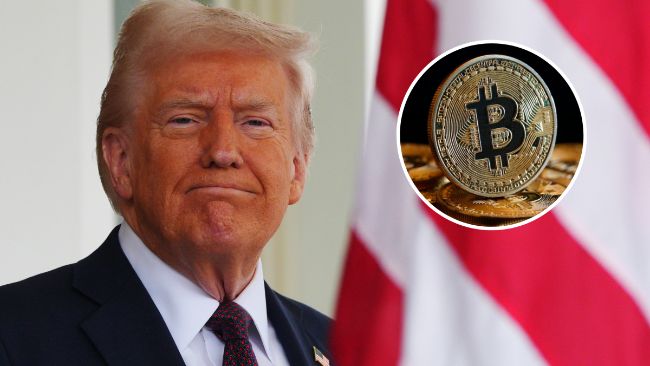
President Donald Trump made headlines on Thursday by signing a groundbreaking executive order aimed at addressing unfair debanking practices in the financial industry. The order directs federal banking regulators to investigate and penalize institutions that deny services to individuals or businesses based on their political or religious beliefs. This move comes in response to claims from conservative groups and industries like cryptocurrency, which have alleged discrimination in banking services.
The executive order, as reported by The New York Times, is one of the most significant actions of Trump’s second term. It requires agencies such as the Federal Reserve and the Federal Deposit Insurance Corporation to examine past and present banking practices to identify instances where political, religious, or lawful activities were factors in service denials. Regulators are instructed to refer cases to the Department of Justice for potential civil or criminal penalties within 120 days.
Regulators have been given a strict timeline of 180 days to ensure that banks comply with anti-discrimination standards. They are also required to eliminate internal guidance that considers reputational risk, a rule that has been criticized for allowing banks to deny services based on unclear criteria. The order specifically addresses concerns raised by industries like cryptocurrency and firearms manufacturers, which have faced challenges in accessing banking services.
In a recent CNBC interview, Trump made personal allegations against major U.S. banks, claiming that JPMorgan Chase and Bank of America had denied him banking services during his first term. Both banks denied these claims, stating that they do not close accounts for political reasons and typically make decisions based on financial risk factors. However, they acknowledged that regulatory overreach may have influenced their actions and expressed support for clearer guidance.
The executive order also references actions taken by banks following the January 6, 2021, Capitol riot, accusing financial institutions of surveillance efforts against conservatives. The order seeks to address these concerns by eliminating reputational risk evaluations in bank supervision and ensuring fair treatment for all customers. Additionally, Trump signed a separate order expanding access to alternative investments in retirement plans, including cryptocurrency and real estate.
The Blockchain Association welcomed both orders, emphasizing the importance of eliminating debanking practices and expanding investment options. The issue of debanking has been linked to Operation Choke Point, a controversial policy from the Obama era that targeted high-risk industries. While the program was officially ended during Trump’s first term, its impact on banking practices has remained a point of contention.
As the financial industry awaits clarity on the implementation of the executive order, questions remain about how regulators will enforce the new rules. Legal experts anticipate updates to industry policies to address belief-based discrimination in addition to existing risk assessment procedures. The White House emphasized the importance of ending unfair debanking practices, which can harm public trust and place financial strain on lawful citizens.
Overall, Trump’s executive order represents a significant step towards ensuring fair banking practices for all Americans. By addressing concerns of discrimination and expanding investment options, the order aims to create a more inclusive and transparent financial system.