
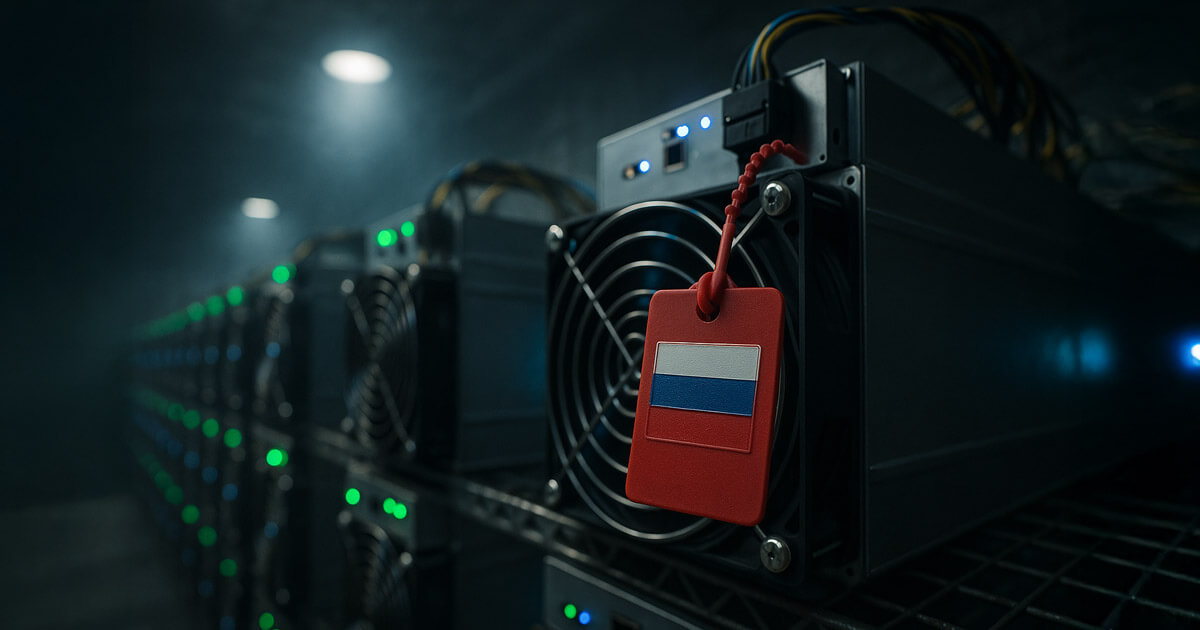
The Russian Ministry of Energy has recently launched a nationwide registry for Bitcoin mining equipment in an effort to crack down on unauthorized activity and ensure compliance with tax regulations. This initiative, developed in collaboration with the Federal Tax Service and the Ministry of Digital Development, aims to bring transparency and oversight to the crypto mining industry.
Authorities have started rolling out the registry to regions with significant mining operations. The primary goal is to identify operators who are consuming electricity for mining purposes and subject them to proper regulatory scrutiny. Deputy Energy Minister Petr Konyushenko emphasized that the registry will help formalize the industry and combat illegal power consumption by tracking down miners who are operating in the shadows.
Despite the government’s efforts, it is estimated that only 30% of crypto miners in Russia have registered their activities, leaving a significant portion unaccounted for. This lack of compliance has prompted the implementation of the registry to bring the remaining 70% of miners under regulatory control.
The registry initiative follows a previous announcement by the Ministry of Energy earlier this year, which aimed to enhance transparency and enforcement in the mining sector. Despite these measures, challenges persist, leading to a six-year ban on crypto mining in regions facing electricity shortages.
However, there are concerns surrounding the inclusion of wallet addresses in the registry. Some experts warn that this could pose security risks, with Russian lawmaker Anton Gorelkin expressing worries about potential exploitation by adversarial nations. There are fears that access to wallet addresses could result in geopolitical consequences, such as sanctions targeting these addresses.
In conclusion, the introduction of the nationwide registry for Bitcoin mining equipment in Russia signifies a step towards regulating the industry and ensuring compliance with tax regulations. While there are concerns about security risks associated with the inclusion of wallet addresses, the government remains committed to curbing unauthorized mining activity and bringing transparency to the sector.