
In a recent exclusive prison interview, Sam Bankman-Fried revealed that handing over control of FTX to CEO John Ray III was a decision he deeply regrets. The convicted FTX founder claimed that he signed over control of the company at 4:24 am on November 11, 2022, under immense pressure from Sullivan & Cromwell and other company advisers.
Despite being found guilty of seven counts of fraud and money laundering in November 2023, Bankman-Fried maintains his innocence, stating that FTX was never bankrupt and that he never defrauded anyone. Currently serving a 25-year sentence at Federal Correctional Institution Terminal Island in Los Angeles, he has been ordered to pay $11 billion in restitution.
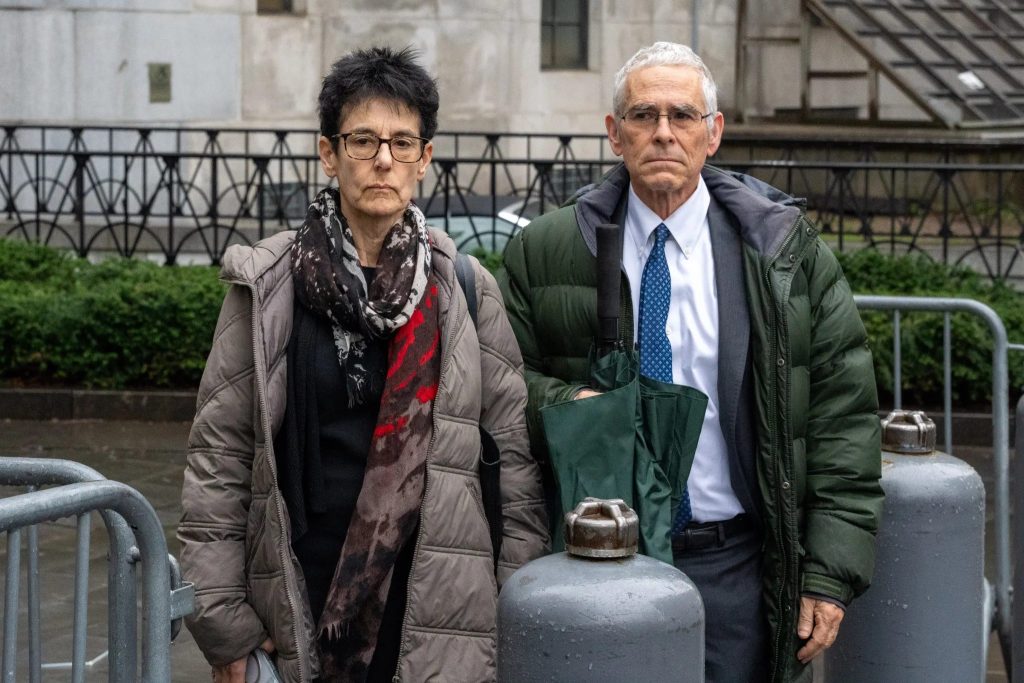
Bankman-Fried’s parents, Joe Bankman and Barbara Fried, both Stanford law scholars, are preparing to appeal his conviction. They argue that Sullivan & Cromwell played a significant role in wresting control of FTX away from their son, installing John Ray as CEO, and profiting handsomely while contributing to his imprisonment.
According to reports, Sullivan & Cromwell has billed nearly $250 million in legal fees throughout the bankruptcy process, with Ray set to receive a $30 million bonus on top of his hourly rate and completion fee. The total bankruptcy costs are expected to exceed $1 billion, making it one of the most expensive bankruptcies in U.S. history.
John Ray has refuted Bankman-Fried’s claims about FTX’s solvency, calling them “categorically, callously, and demonstrably false.” He stated that he and Sullivan & Cromwell were able to salvage billions from the wreckage to repay customers. By October, Ray had recovered at least $16 billion, with most creditors expected to receive 100% of their account values plus interest.
The role of Sullivan & Cromwell in the FTX saga has drawn scrutiny from senators and bankruptcy experts. The firm had represented FTX on multiple occasions before the collapse, earning over $8.5 million in fees. Some of the firm’s attorneys had even joined FTX’s legal staff. Questions have been raised about the firm’s pre-bankruptcy outreach and its involvement in the subsequent fraud investigation.
Creditors have also been fighting against bankruptcy fees, especially as the value of Bitcoin holdings has surged by 600%. Sunil Kavuri, a former adviser at Deutsche Bank and Morgan Stanley, had $2 million in crypto assets frozen on FTX when it collapsed. He launched a class-action suit against celebrity spokespeople, with some settling for significant amounts.
Despite the challenges and legal battles, Bankman-Fried’s legal team plans to center his appeal on questions surrounding FTX’s solvency. They argue that the jury never saw evidence of the company’s sufficient assets to repay its customers. Oral arguments for Bankman-Fried’s appeal are scheduled for November 4 at the U.S. Court of Appeals for the Second Circuit in New York, although federal acquittal rates remain historically low at less than 1%.