
US financial institutions have been at the center of a major scandal involving $312 billion in suspicious transactions linked to Chinese money laundering networks between January 2020 and December 2024, according to a recent analysis by the Financial Crimes Enforcement Network (FinCEN). This shocking revelation comes as traditional banking systems handle significantly larger volumes of illicit funds compared to the scrutiny faced by crypto exchanges for money laundering activities.
Chinese money laundering networks have formed intricate partnerships with Mexico-based drug cartels, taking advantage of currency restrictions in both countries. Mexico’s laws prohibit large dollar deposits in local banks, while China’s currency controls restrict overseas transfers by its citizens. This regulatory gap has allowed cartels to sell illicit dollars to Chinese nationals looking to bypass Beijing’s capital controls.
The scope of these networks extends beyond drug trafficking to include human trafficking, healthcare fraud, and real estate transactions totaling $53.7 billion in suspicious activity. FinCEN’s analysis uncovered 1,675 reports related to human trafficking and 43 reports detailing $766 million in suspicious adult day care center activities in New York alone.
Despite the focus on crypto exchanges, it is revealed that banks processed the majority of these suspicious transactions, with $246 billion flowing through banking systems, while money service businesses and securities firms handled $42 billion and $23 billion, respectively. On average, $62 billion in illicit funds from Chinese money laundering operations passed through US banking systems each year.
Historical cases demonstrate a pattern of systematic vulnerabilities in the banking sector that have been exploited for criminal activities. Major financial institutions like Wachovia Bank, Danske Bank, HSBC, and TD Bank have been implicated in money laundering scandals involving billions of dollars in illicit transactions. The 1MDB scandal in 2021 saw over $1 billion stolen through global banking networks for the purchase of luxury assets across multiple cities.
Criminal organizations have been known to recruit bank employees as insiders and use counterfeit Chinese passports to facilitate account openings. Money mules often falsely declare their occupations as students, housewives, or retirees to explain large transaction volumes that do not align with their stated professions.
Despite crypto transactions accounting for less than 1% of global money laundering activity, regulators have been targeting the industry with increased scrutiny. Recent actions against platforms like Binance Australia and OKX highlight the regulatory pressure facing the crypto sector. Senator Elizabeth Warren has been vocal in calling for stricter regulations on cryptocurrencies, citing concerns about their role in enabling money laundering.
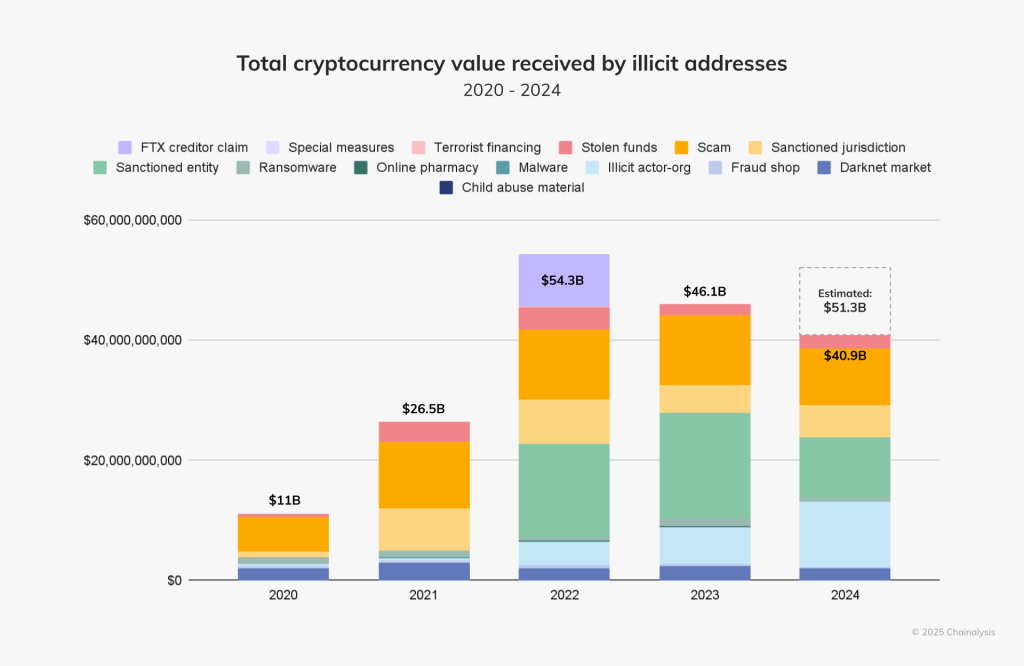
However, data from FinCEN and blockchain analytics firm Chainalysis reveal that Chinese money laundering networks predominantly operate through traditional banking channels rather than digital assets. While illicit crypto transactions have seen a slight increase, they still represent a fraction of the suspicious banking transactions identified during the same period.
In conclusion, the revelations about the massive scale of money laundering through traditional banking systems raise questions about the disparity in regulatory focus between banks and crypto exchanges. The need for stronger enforcement actions and compliance measures in the financial sector is evident, as criminal networks continue to exploit vulnerabilities in the system for illegal activities.