
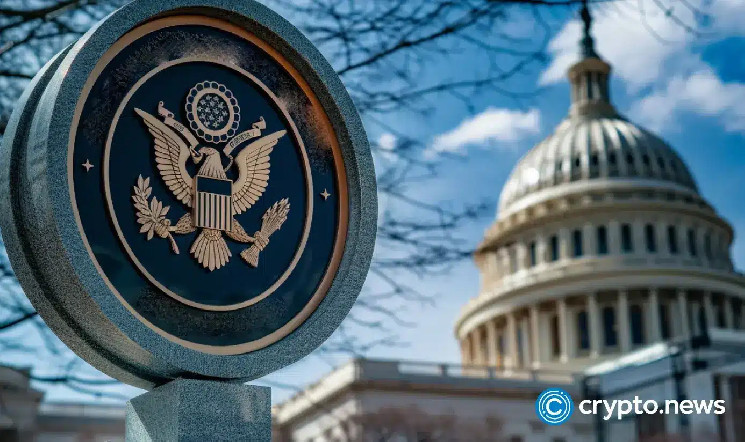
Gary Gensler, the controversial chair of the U.S. Securities and Exchange Commission, has announced his resignation, effective on the day President-elect Donald Trump takes office. Gensler’s departure was expected, as leadership changes in federal agencies often occur with a new administration, especially when there is an ideological shift.
Gensler’s tenure, which began in 2021 under President Joe Biden, has been marked by his aggressive regulatory stance, particularly in cracking down on the crypto industry, which he once described as “rife with fraud and hucksters.” Under his leadership, the SEC initiated a record number of enforcement actions against crypto-related entities, including high-profile cases such as the lawsuit against Terraform Labs, which resulted in significant penalties.
While some praised Gensler for bringing order to the industry, others criticized him for regulatory overreach and stifling innovation, especially in cases involving Ripple (XRP) and Coinbase. Trump, who has been vocal about his disapproval of Gensler, has pledged to replace him on his first day in office.
As the SEC prepares for this leadership change, speculation abounds about who will succeed Gensler and how their approach will shape financial regulation in the U.S. Leading contenders for the position include Paul Atkins, known for his pro-crypto stance, and Robert Stebbins, a former SEC General Counsel with deep legal and regulatory expertise. Teresa Goody Guillén, a blockchain advocate with experience at the SEC, and Brian Brooks, the former Acting Comptroller of the Currency, are also considered potential candidates.
The crypto community has been vocal about Gensler’s resignation, with many expressing relief and hope for a more favorable regulatory environment under the new leadership. Social media reactions ranged from bitter resentment to cautious optimism, with criticisms of Gensler’s tenure and calls for accountability.
The upcoming transition in SEC leadership presents both challenges and opportunities for the crypto industry. Experts highlight the need for clear regulations, improved access to banking services, and a more welcoming environment for innovation. The potential for a regulatory framework similar to the EU’s Markets in Crypto-Assets Regulation is gaining traction, with the hope of bringing greater consistency and addressing key issues like cybersecurity and anti-money laundering.
Crypto companies are urged to be proactive in preparing for regulatory changes, strengthening compliance systems, and investing in tools to ensure smooth adaptation to the evolving regulatory landscape. The future of the crypto industry in the U.S. and globally hinges on how the incoming SEC chair navigates these challenges and opportunities.